MADUMA – “Even 300 years would not have shocked me.”
These were the words of Lawrence Mavuso, the stepfather of former deputy sheriff Vusi Mncina, following his sentencing for the killings of women in Ezulwini.
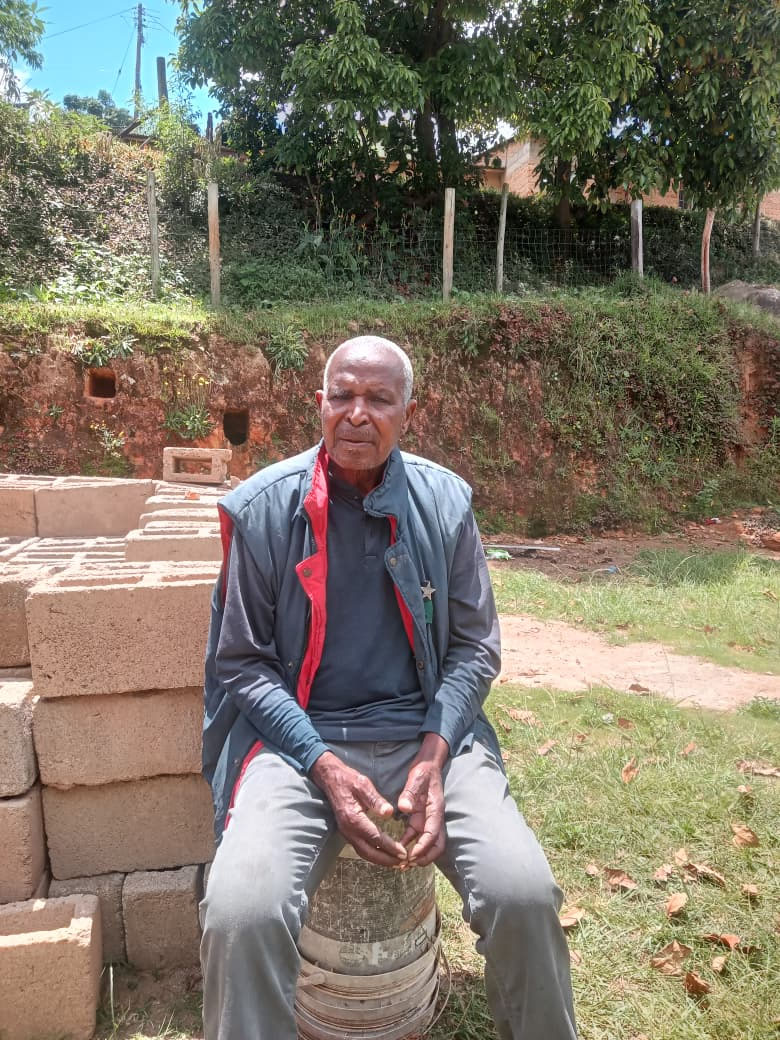
Speaking to Eswatini News at his home at Maduma on Thursday, situated about a few kilometres from the capital city, Mavuso said his stepson deserved the sentence handed down by Judge Titus Mlangeni on Wednesday.
The former correctional officer said he had anticipated a lengthy prison term from the beginning and would not have been surprised even by a substantially longer sentence.
Mavuso, who was visibly emotional, said he had never been the same since October 28, 2023, when Mncina carried out the shootings at Goje Township in Ezulwini.
He said despite visiting his stepson in prison on several occasions, he had failed to obtain an explanation that could help him understand what drove him to commit the crimes.
According to him, the explanation he repeatedly received was that Mncina had been under the influence of demons or evil spirits. However, this had done little to resolve the questions that continued to trouble him about the actions of a man he had raised as his own son.
The case has attracted national attention because of the severity of the crimes and the lengthy prison sentence imposed.
Prior to handing down the judgment, Judge Mlangeni described Mncina, as palpably dangerous person who had failed to control his anger when it mattered most.
The sentencing details list 14 years for the attempted murder of Thuli Mkhwanazi, 29 years each for the murders of Nonhlanhla Thwala, Lungile Shongwe and Fikile Shongwe as well as 23 years for the murder of Mncina’s girlfriend, Cynthia Khulile Shongwe.
For Mavuso, however, the court proceedings have not resolved the personal questions left by the shootings. He said the family had been devastated by what happened, while the suffering of the victims’ relatives had made it even more difficult for him to find the words to explain his own feelings.
Narrating his relationship with his son, he revealed that it began when he married his mother, who already had another child besides Mncina, a daughter.
He said he accepted both children as his own and took responsibility for raising them, despite not being their biological father.
Farther, he said upon growing up, Mncina continued living at his home even after he got married, while his sister eventually married and established her own household.
The elderly Mavuso has described his relationship with his stepson as close, adding that he had always preferred to regard him simply as his son rather than emphasise the distinction between a biological child and a stepchild.
According to him, their relationship continued after the shootings, with prison visits providing opportunities for them to discuss Mncina’s circumstances. He said they also met after Wednesday’s sentencing, to show how close they are.
He said his saying he was not shocked about the sentence does not originate from a bad place, but from the gravity of the case.
Mavuso said the crimes had shocked him because Mncina had never displayed any kind of violent behaviour even in his adult life. He recalled that his stepson had not given them serious problems while growing up, even after the death of his mother.
Mavuso maintained that the family had done its best to raise Mncina responsibly, although he acknowledged that children eventually make their own decisions as adults.
Furthermore, he raised concerns that the public might judge them according to Mncina’s actions, assuming that the violence reflected the way he had been raised. He rejected that suggestion, saying the family had done everything to raise him well, including his children.
Although he accepted the court’s decision, he said the sentence could not erase the pain suffered by the victims’ families or provide the explanation he had sought.
Regarding why they have not yet approached the families affected for more than two years to offer their apology, he maintained that his difficulty in approaching the victims’ families should not be interpreted as indifference.
Instead, he said he remained troubled by the extent of their suffering and believed the families connected to Mncina needed to find a way to acknowledge it.