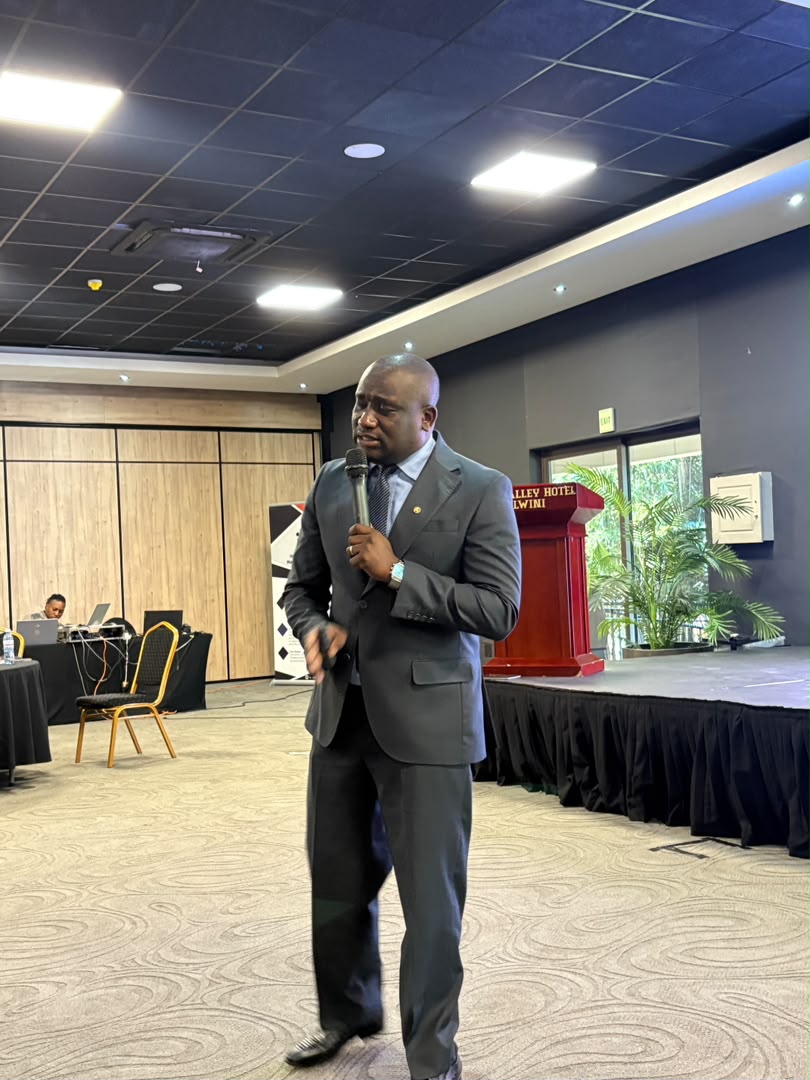
EZULWINI – A pension may provide a financial cushion when an employee retires, but treating it as the entire retirement plan could leave them struggling to maintain their lifestyle once the monthly salary stops.
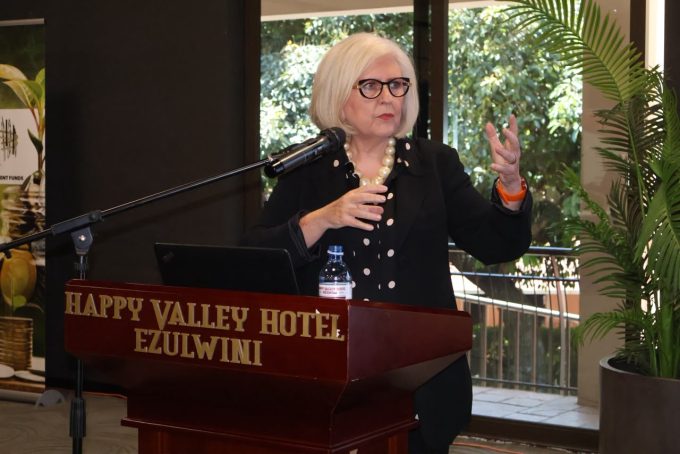
This was the warning from Emmanuel Zvada, managing consultant at Third Eye Africa in Zimbabwe, who challenged human resources practitioners to prepare employees for life after work long before they approach retirement.
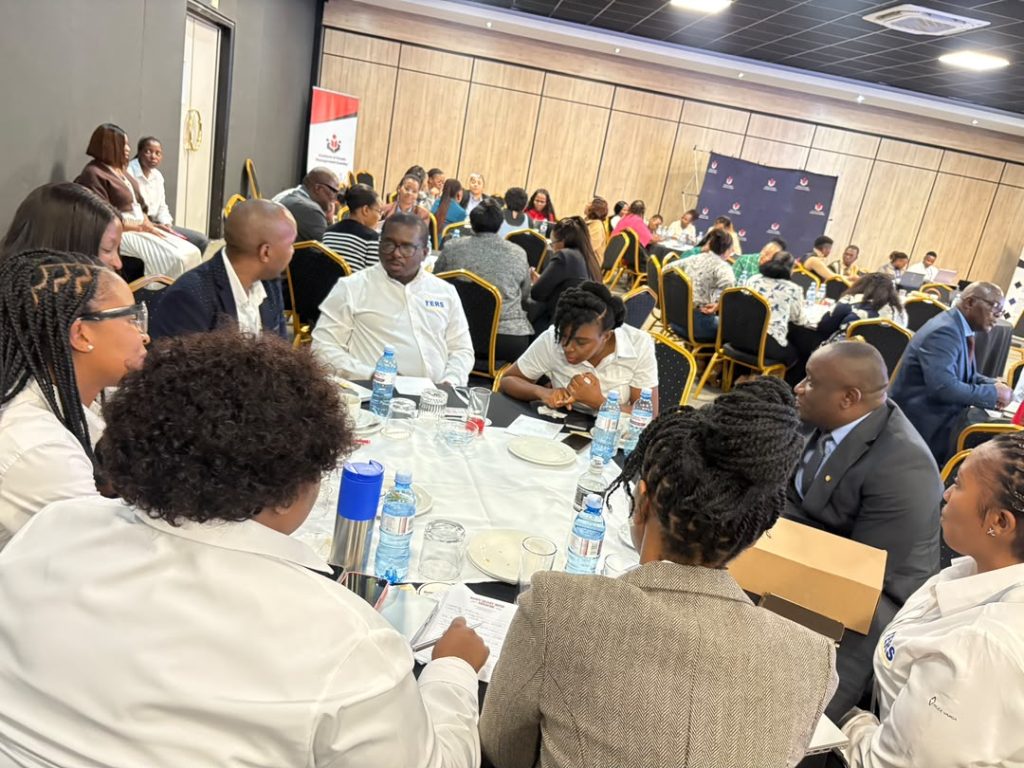
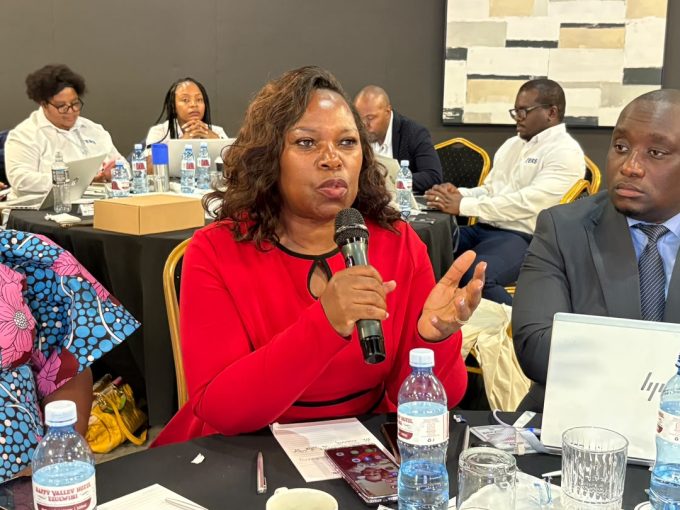
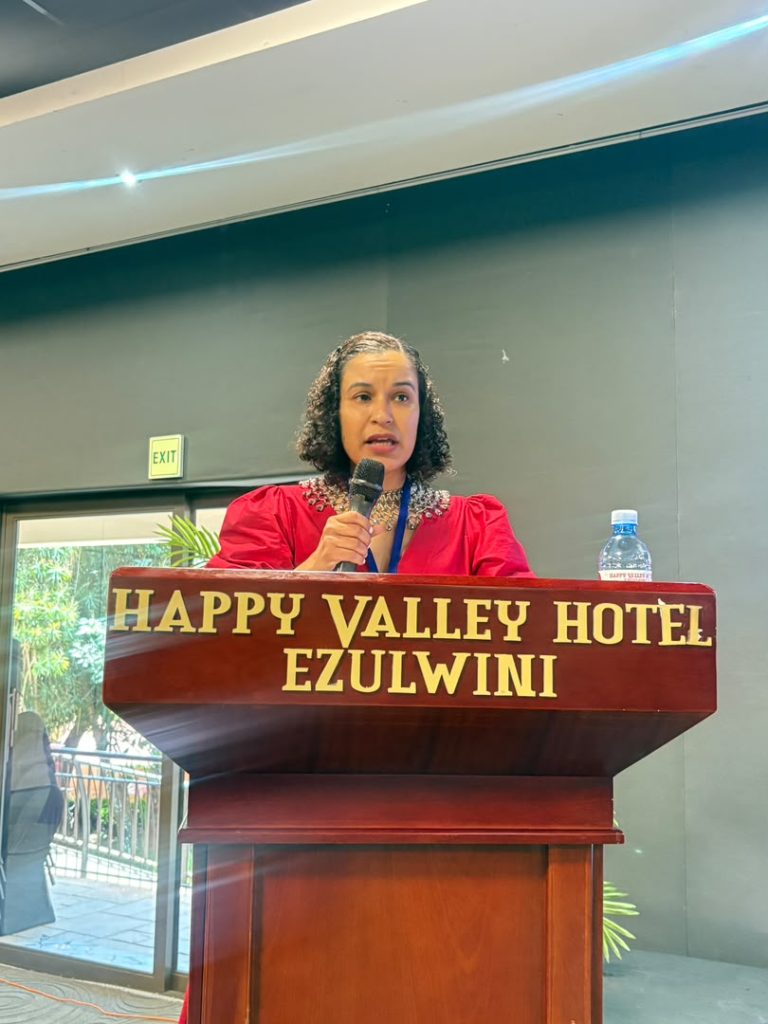
Speaking at the Institute of People Management (IPM) Eswatini annual conference at Happy Valley Hotel in Ezulwini yesterday, Zvada said retirement planning should begin when an employee enters the workplace, rather than becoming a last-minute discussion when they are preparing to leave. He noted that retirement brings more than the end of a working relationship. For many people, it also means losing the position, influence, benefits and financial security they have become accustomed to over the years. Some employees, he said, are known largely because of the positions they occupy. Once those titles fall away, they may discover that the status they enjoyed at work does not necessarily follow them into retirement.
Zvada urged employers to make retirement preparation part of the employee journey, just as they prioritise recruitment, onboarding and development. He questioned why organisations often invest heavily in bringing people into the workplace but give far less attention to preparing them for their eventual departure.
He cautioned employees against relying solely on pension schemes to fund their retirement, describing such benefits as a cushion rather than a complete solution.
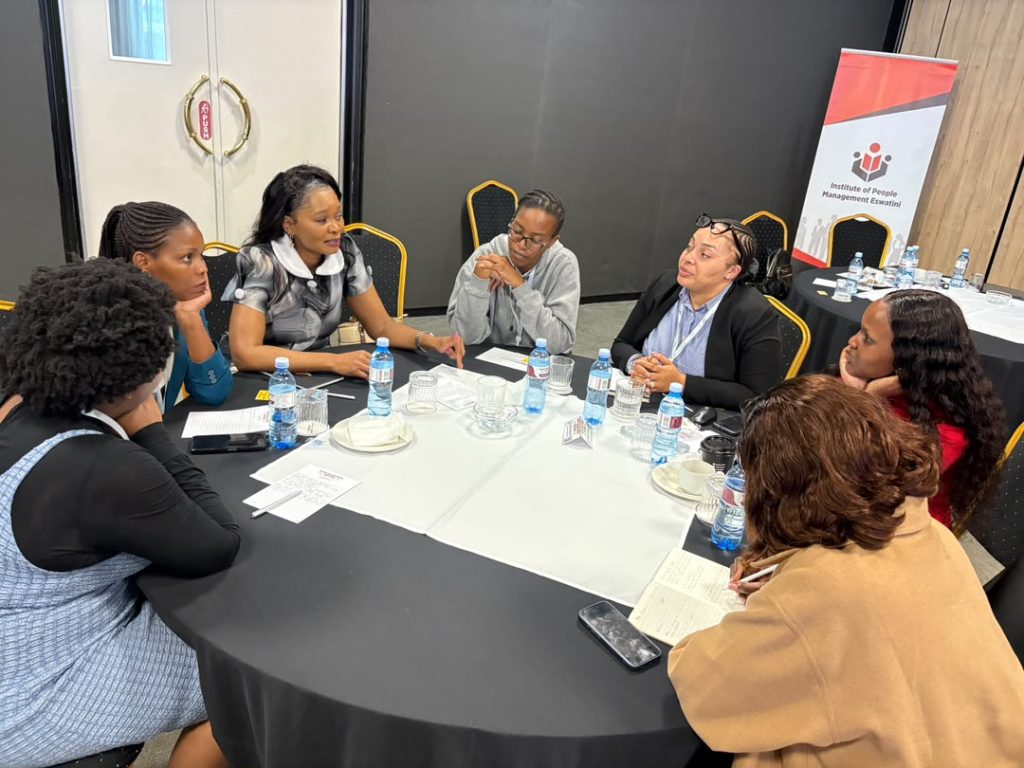
Employees, he said, need to think ahead about how they will sustain themselves financially after their regular salaries stop and how they will adjust to life without the routines, responsibilities and recognition that come with employment.
“The right time to start to plan is now,” he said, stressing that retirement planning cuts across ages and backgrounds.
Zvada warned that the consequences of poor preparation may only become clear after an employee has left work, when it may be difficult to rebuild financial security. He illustrated this with the example of a person who had worked faithfully for 30 years, received their benefits and attended a farewell party, only to face financial pressure two years later after the money had run out.
“A farewell party is not a retirement plan,” was the message behind his example.
He challenged employers to consider whether they had genuinely prepared employees for retirement or had simply processed their exit and celebrated their years of service.
For HR practitioners, his message was that retirement readiness should not be left to the final months of an employee’s career. Early conversations, financial planning awareness and relevant workplace support can help employees approach retirement with a clearer idea of how they will manage the transition.
Ultimately, Zvada urged both employers and employees to treat retirement as a stage of life that requires preparation, rather than an event that can be dealt with when the farewell invitations are sent out.