MBABANE – Public sector unions have called for controls to prevent the same government officials from undertaking repeated overseas trips.
The proposal emerged during consultations on the draft External Travel Management Policy Framework, which seeks to strengthen accountability and control spending on official overseas travel.
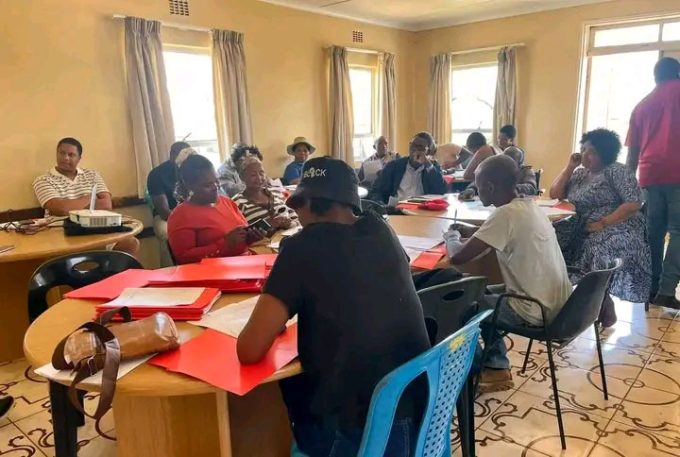
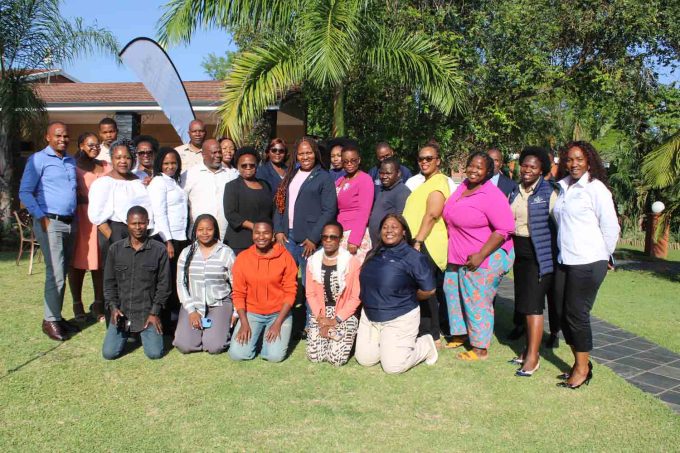
The Public Policy Coordination Unit (PPCU), Ministry of Public Service and Eswatini Economic Policy Analysis and Research Centre (ESEPARC) convened the meeting with public sector unions.
The unions raised concerns about prolonged or successive overseas trips by the same officers and proposed measures to regulate such travel.
They also called for separate approval procedures for officials travelling abroad on union business.
Another proposal was to provide meal allowances for drivers assigned cross-border duties that do not require overnight stays.
The proposals form part of consultations aimed at improving how government plans, approves and accounts for official overseas travel.
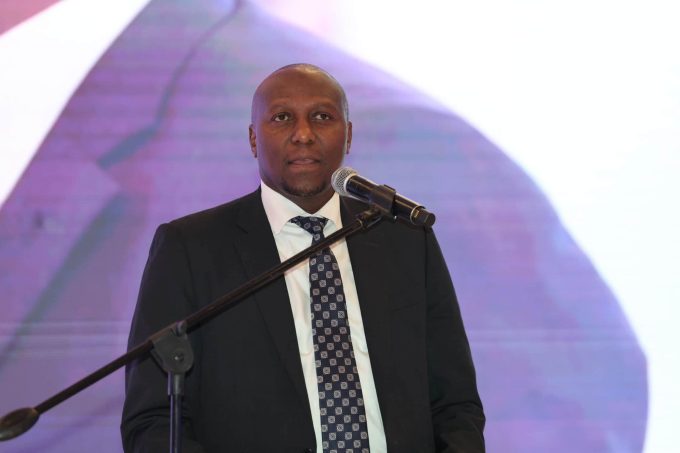
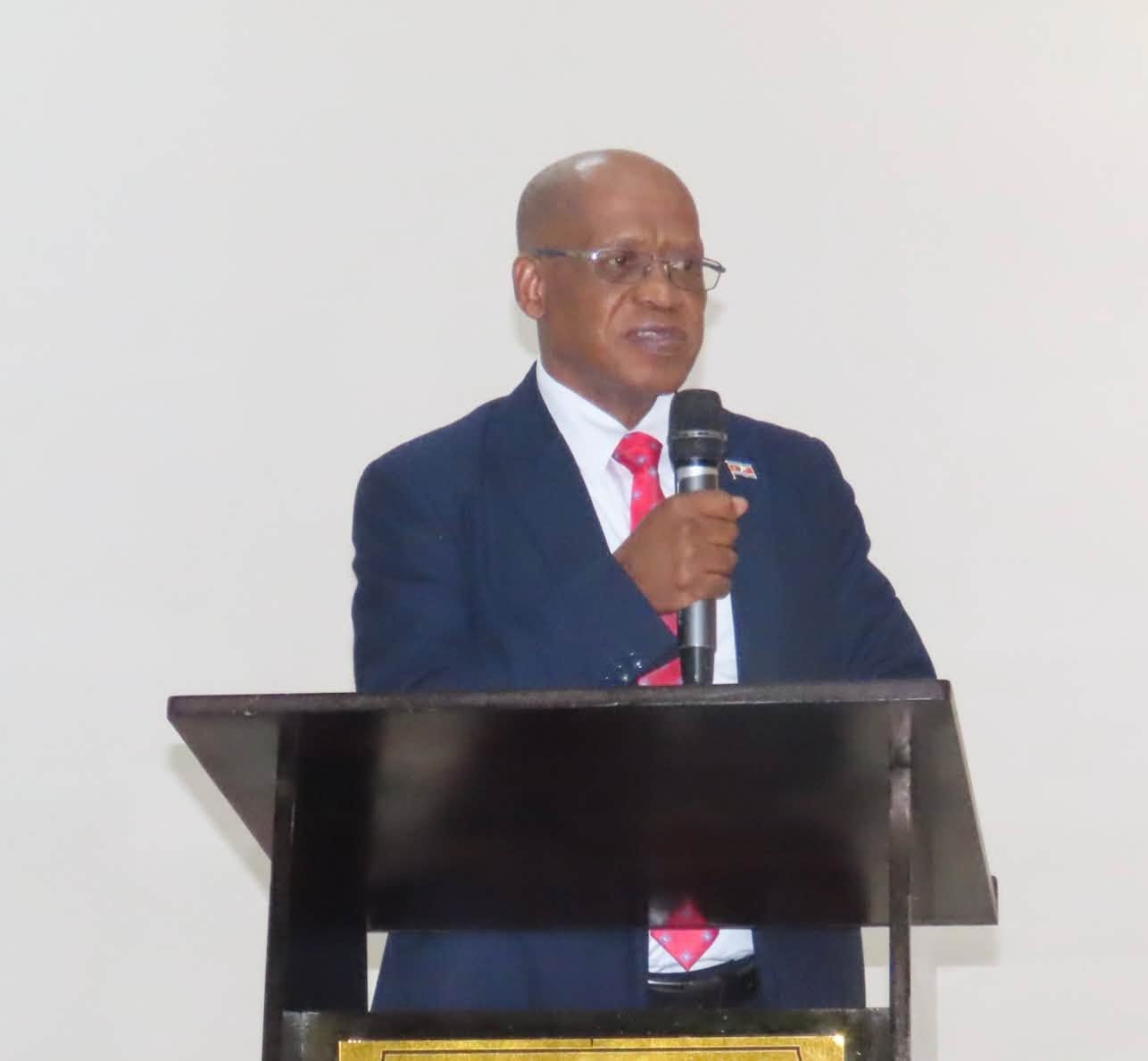
Opening the meeting, the Secretary to Cabinet, Victor Nxumalo, who chairs the Joint Negotiations Forum (JNF), said the policy review sought to establish clear and accountable procedures for government travel.
He said overseas travel enabled government to fulfil its international obligations, participate in bilateral and multilateral engagements, undertake study visits and represent Eswatini at international forums.
However, he stressed the need to ensure that such trips were properly planned, justified, approved and accounted for because of their financial implications.
The proposed framework seeks to strengthen financial controls and ensure that official overseas trips serve legitimate government purposes.
It also aims to prevent unnecessary expenditure and promote efficient use of public funds.
Under the draft framework, government intends to establish clear procedures for planning, approving and managing overseas travel by public officers.
The policy also seeks to clarify the responsibilities of officials and institutions involved in approving and managing such trips.
Another objective is to ensure that officers promptly account for travel advances and submit supporting documents after completing their assignments.
Government also wants official trips to achieve their intended objectives while complying with procurement procedures.
The consultations further addressed plans to replace traditional paper-based administrative processes with streamlined digital systems.
The proposed changes seek to improve efficiency in processing and managing official travel.
The unions participated in the discussions and proposed additional measures for consideration in the draft policy.