SITEKI – Over 120 cattle have died in Lubombo amid drought conditions and an outbreak of gall sickness.
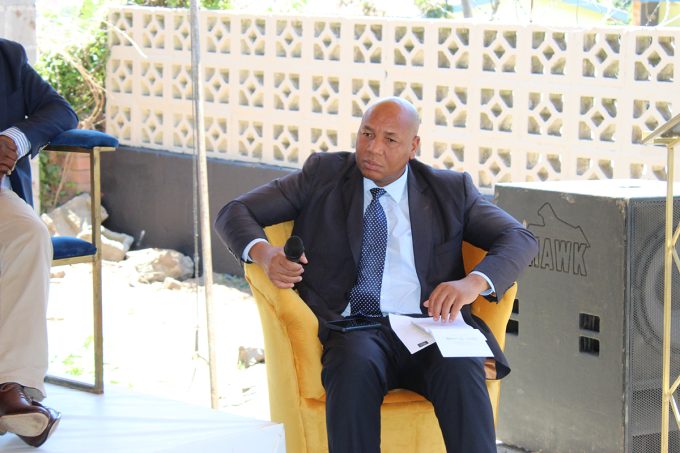
Lubombo Regional Veterinary Officer Dr Noel Chikuni said about 30 cattle had died around Siphofaneni and Sithobela amid drought conditions, while gall sickness had claimed over 90 others on the Lubombo Plateau over the past two months.
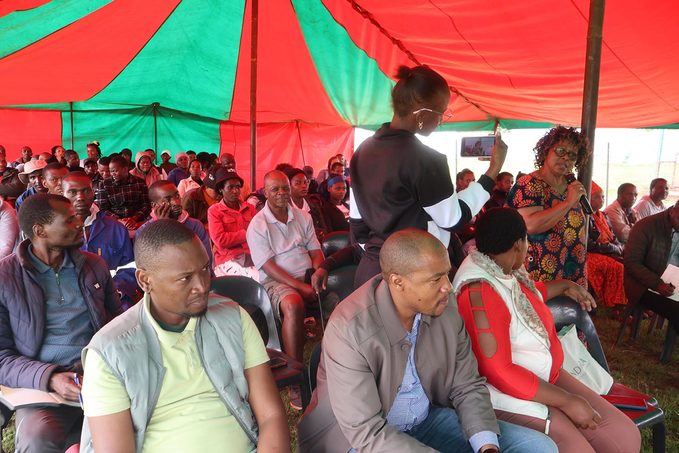
He disclosed the figures during a disaster risk management and El Niño preparedness meeting organised by the National Disaster Risk Management Authority (NDRMA) at Siteki Hotel yesterday.
Chikuni said gall sickness, commonly known as inyongo, had affected cattle at Mkhalamfene, Maphungwane and Sitsatsaweni.
“We are talking about over 90 cattle in the past two months,” he said.
Although the region had recorded livestock losses, Chikuni said veterinary authorities had not observed a significant overall increase in cattle deaths.
He acknowledged a slight increase in the Lowveld, particularly around Siphofaneni and Sithobela, where inadequate grazing and water supplies threatened livestock.
Chikuni explained that drought conditions particularly affected cows and calves, but stressed that most recent deaths on the Lubombo Plateau were associated with gall sickness rather than drought.
The figures emerged after NDRMA Communications Officer Magman Mahlalela sought clarification on livestock losses and measures to help farmers sell cattle before conditions worsened.
Mahlalela raised concerns about the situation in neighbouring Shiselweni, where drought had already claimed numerous cattle.
He asked whether Lubombo farmers could receive similar assistance in securing livestock markets.
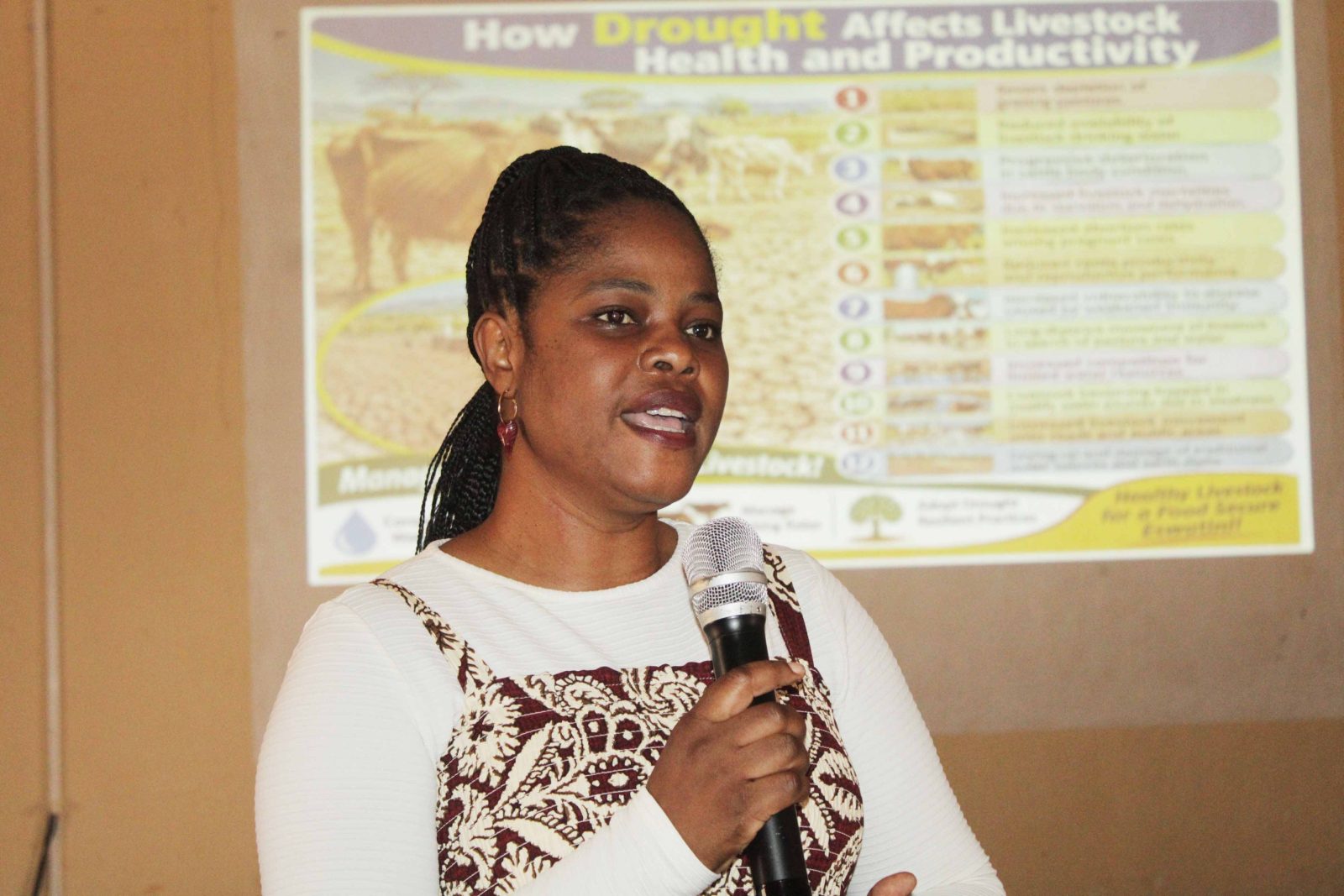
Ministry of Agriculture Extension Officer Lungelo Mncube said the ministry had assigned officers to help farmers find buyers and facilitate livestock sales.
However, he acknowledged that the limited number of buyers remained a challenge, despite interest in cattle from Lubombo and Shiselweni.
Mncube encouraged farmers to reduce their herds before worsening grazing and water shortages weakened their animals.
“We urge farmers to come and sell their cattle,” he said.
Meanwhile, Mpolonjeni Bucopho Gcina Gwebu warned that persistent water shortages could cost politicians votes in the upcoming national elections.
Gwebu said rural communities had repeatedly called for dam construction and rehabilitation without meaningful progress.
He expressed concern that their term of office was nearing its end, yet communities continued to struggle with inadequate water infrastructure.
“Nothing is happening,” he said.
Gwebu warned that politicians seeking re-election could face rejection if the water problems remained unresolved.
He cited Mpolonjeni, where he said three existing dams were in poor condition.
According to Gwebu, one dam was leaking extensively, while river sand had filled the other two, leaving them in need of excavation and rehabilitation.
He called for the rehabilitation of existing dams and construction of additional water infrastructure to protect farmers against prolonged dry spells. “The country needs farmers,” he said.
The livestock losses and concerns over water infrastructure come amid growing fears about the anticipated effects of El Niño on agriculture and rural livelihoods.
On November 12, the Times of Eswatini reported that drought had claimed 99 cattle across 13 dip tanks at Maplotini, Lavumisa, while farmers had slaughtered another 26 because of their deteriorating condition.
Lubombo Regional Administrator Themba Msibi previously urged farmers to prepare for water and grazing shortages rather than wait until their livestock began losing condition.