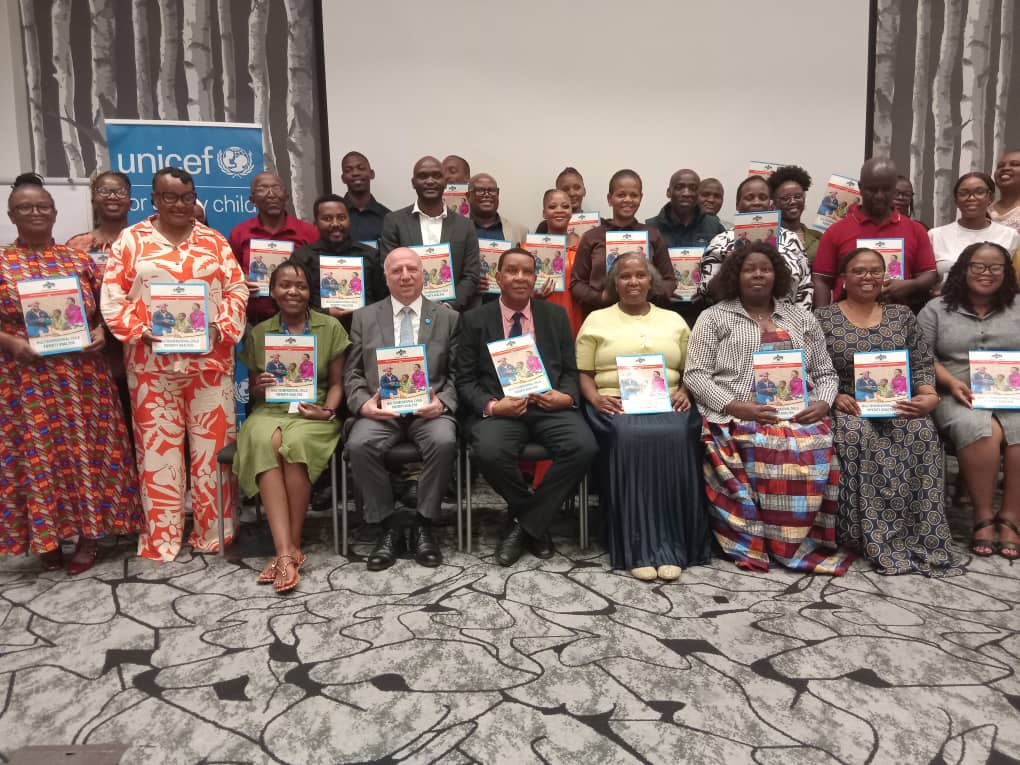
MBABANE – The Ministry of Economic Planning and Development has unveiled a E1.7 billion Child Poverty Analysis Action Plan aimed at reducing child poverty across Eswatini from 56.5 per cent to 40 per cent by 2028.
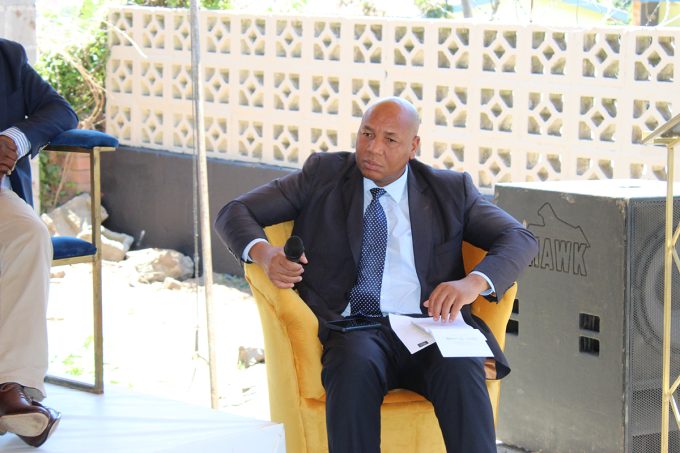
Under Secretary of the Ministry Siboniso Masilela spoke at the Hilton Garden Inn on Friday during the dissemination of the second Multi-Dimensional Child Poverty Analysis report.
Masilela urged government leaders, technical experts, and development partners to move beyond data collection and translate research findings into tangible budgets and programmes.
According to the report, 46.6 per cent of children in Eswatini are deprived in three or more non-income dimensions, including education, health, sanitation, hygiene, nutrition, child protection, water, housing and information. Deprivation remains significantly higher in rural areas at 51.8 per cent compared to 23.1 per cent in urban centres. Regionally, Lubombo recorded the highest child deprivation rate at 55.4 per cent, while Hhohho recorded the lowest at 39.5 per cent.
Masilela noted that the E1.7 billion Action Plan translates each of the eight dimensions of child deprivation into specific interventions, with the largest shares allocated to vaccines, clean energy, water, sanitation, and ICT infrastructure. While some initiatives are already backed by partner-supported projects, he stressed that resource mobilisation efforts must be intensified given the limited time remaining to meet the 2028 National Development Plan target.
“A plan changes children’s lives only when it is implemented,” Masilela said, calling on ministries and stakeholders to prioritise four immediate actions: Integrating the interventions into sector plans and budgets, targeting the most deprived rural communities in Lubombo and Shiselweni, strengthening cross-government coordination and inclusivity and enforcing strong monitoring and accountability mechanisms.
Also addressing the gathering, UNICEF Representative Afshin Parsi commended Eswatini’s leadership in adopting the Multiple Overlapping Deprivation Analysis (MODA) framework, noting that government ownership ensures the findings feed directly into the national development agenda rather than remaining an isolated project. He emphasised that because children facing one deprivation often suffer from others simultaneously, single-factor interventions fall short.
“Data do not change outcomes. Decisions and actions informed by data do,” Parsi added, calling for evidence-based policies over trial-and-error approaches in a resource-constrained environment.