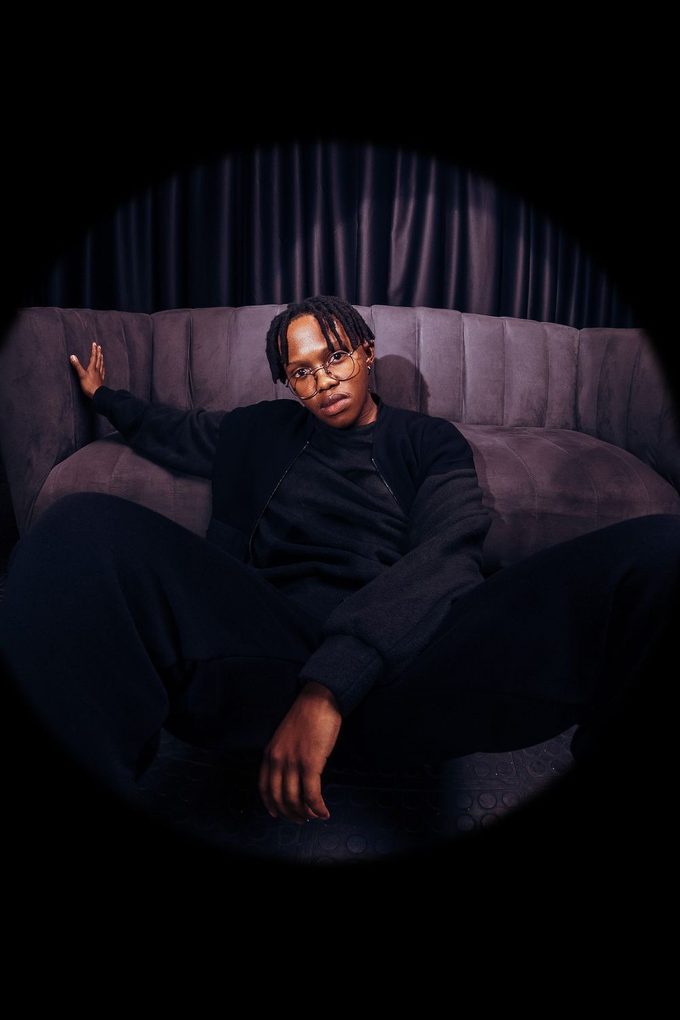

By day, he is a retail employee, going about his duties like any other young man trying to make a living. But when the music starts, Okuhlekwethu Lindokuhle Lushaba transforms into a dance star, the energetic dancer whose movements have become part of his identity.
At 27, the young man popularly known as LaClicks, is balancing the demands of earning a living and the pursuit of a passion that has taken him from dancing for friends to performing alongside the country’s stars.
His story is not one of overnight success. It is about discovering a talent, learning to take it seriously and refusing to abandon it even when the opportunities are limited. Away from the dance floor, Lushaba describes himself as a humble, ambitious and God-fearing young liSwati. He grew up at Ludzeludze, where respect, faith and culture were central to family life.
He attended Ludzeludze Primary School before proceeding to Zombodze National High School and later completing his secondary education at Somnjalose High School. As the firstborn of four children, he grew up in a household where hard work and appreciating what one had were important lessons.
His childhood, he says, was not particularly fancy, but it taught him to make the most of available opportunities. Perhaps that explains why he does not wait for perfect conditions before pursuing his ambitions. A phone, his faith and a passion for dance are often enough to get him creating.

He shares that dancing was never part of a carefully designed career plan for him. It was something that came naturally. Growing up in Eswatini, where music and dance are part of everyday life, he found himself moving whenever he heard a rhythm.
At first, he did not think of it as a talent. He simply enjoyed the feeling. His curiosity grew as he watched other dancers and began appreciating how movement could communicate emotions and tell stories without spoken words.
He would copy movements, practise in his room and entertain friends and visitors at home. His dancing even found its way into his early childhood school graduation at crèche. But there was a particular moment when he began realising that people were paying attention. His first public performances came with the usual nervousness. He remembers worrying about forgetting his steps and being laughed at.
However, once the music started, the anxiety gave way to excitement. The cheers from the audience gave him a sense of belonging that he had not anticipated. Although he did not know then that dancing would become such an important part of his life, he knew it was something he could not simply walk away from.
His initial ambitions had been quite different. Like many young people, he imagined himself pursuing a conventional career, with becoming a doctor or healthcare practitioner among his aspirations. Dance was something he loved, but not necessarily something he thought could sustain him.
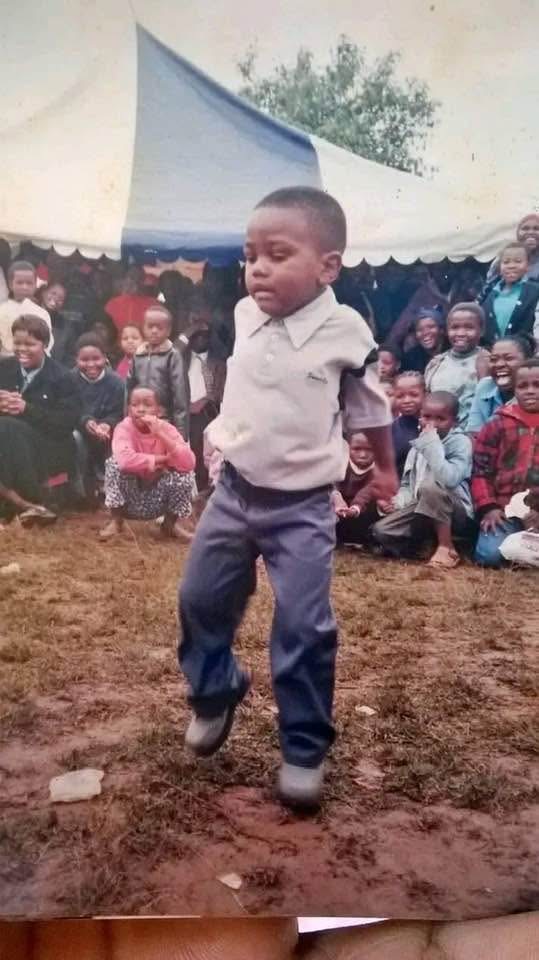
The reaction from some family members and friends was mixed. While some encouraged him, others initially viewed dancing as a passing interest. In a society where young people are often encouraged to pursue careers considered more secure, turning a creative passion into a professional pursuit can be difficult to explain. He shares that the difference came through consistency. As people saw the hours he invested in practising and improving, their attitudes gradually changed.
There is a difference between enjoying a dance at a party and treating dance as a craft. Lushaba says he began recognising this when he started taking his performances personally. Instead of simply enjoying the attention, he began reviewing his own videos, correcting mistakes and repeating movements until they were cleaner. He became more concerned about improving than impressing an audience.
His school years also contributed to this development. At both Zombodze and Somnjalose High Schools, he participated in extracurricular activities as one of the pupils involved in the kwaito dance culture. On some occasions, he would take the lead. Those experiences helped him become more comfortable performing in front of others and working with fellow dancers.

However, developing his talent has not been without difficulties. One of the biggest challenges has been money. He describes an entertainment environment where opportunities for dancers to earn a sustainable income remain limited. There have been occasions when he attended events hoping to secure a performance slot, sometimes approaching organisers himself to ask for an opportunity. Other times, he performed for exposure, with transport expenses coming out of his own pocket.
The arrangement can be particularly demanding when dance has to fit around a regular job. Working in retail during the day and pursuing his passion at night means balancing employment, rehearsals and personal commitments. There have been moments when he questioned whether he should abandon dance and concentrate entirely on his job, he shares.
But whenever he considered giving up, something would happen to remind him why he started. A video would attract attention, someone would tell him his dancing had inspired them or an unexpected performance opportunity would emerge.
Being a male dancer has presented another set of challenges. Within his current team, Lushaba says he is the only male dancer, a position that has exposed him to questions and judgements about his masculinity. Some people have questioned whether dance is suitable for men, while others have suggested it is not a profession from which one can make a living. Initially, such comments affected him. Over time, however, he developed a different attitude towards them.

He says he has learnt that he does not need to quit dance to prove his masculinity to anyone. For him, the decision to dance is about recognising and developing a gift rather than seeking approval.
Lushaba hopes his presence in the industry will encourage other boys who enjoy dancing but are hesitant to pursue it because of what people might say. Despite the progress he has made, Lushaba believes the dance industry in Eswatini still has important challenges to address. Chief among these is the need for dancers to receive proper recognition and payment for their work.
He is particularly concerned about the expectation that performers should accept unpaid opportunities in exchange for exposure. “While exposure can help a dancer build a name, it does not cover transport, food or the other costs associated with preparing for performances,” he adds.
Lushaba also shares that he would like to see an entertainment environment where dancers are treated as professionals, with paid engagements, sponsorship opportunities, proper rehearsal facilities and more platforms to showcase their abilities.
He is still the young man from Ludzeludze who learnt to make something out of what he had, only now his phone has become a creative tool, his movements a form of communication and his stage name an identity recognised beyond his immediate circle. He does not claim to have everything figured out. But he knows what he wants to pursue.