MBABANE – The Eswatini senior women national team, Sitsebe have yet to qualify for the Women’s Africa Cup of Nations (WAFCON), despite CAF increasing the winners’ prize to approximately E34 million.
The Confederation of African Football (CAF) announced the major financial boost for women’s football during its 48th Ordinary General Assembly in Abuja, Nigeria, on Saturday.
CAF revealed that the WAFCON winners’ prize money had risen by 900 per cent, from US200 000 (approximatelyE3.4million) in 2021toUS200 000 (approximately E3.4 million) in 2021 to US200 000(approximately E3.4million) in 2021toUS2 million (about E34 million) in 2026.
The overall prize fund has also grown from US975000 (E16.6million)toUS975 000 (E16.6 million) to US975000 (E16.6million) toUS5.8 million (approximately E98.6 million), underlining the governing body’s growing investment in the women’s game.
However, the increased financial rewards raise an important question for Eswatini over how close the country is to competing at continental level.
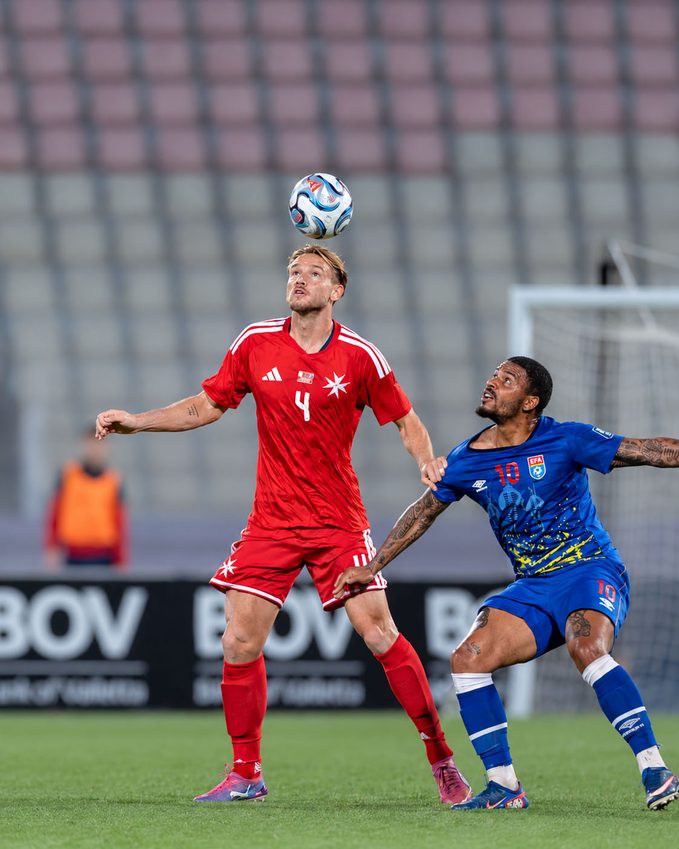
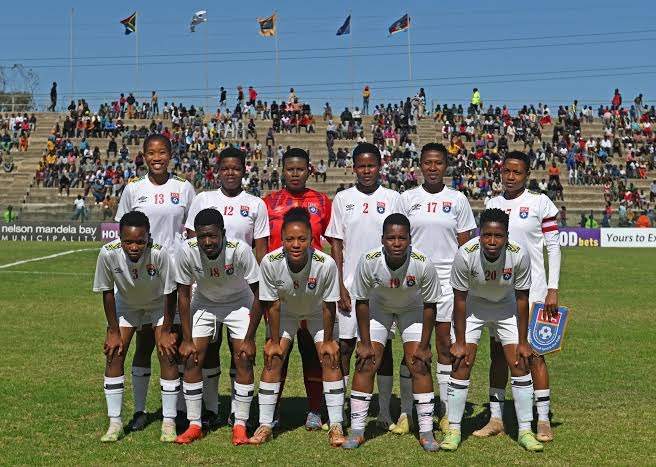
Sitsebe, the senior women’s national team, have never reached the WAFCON finals and were not among the 16 countries that contested this year’s edition in Morocco.
The national team’s record at the regional Hollywoodbets Council of Southern Africa Football Associations (COSAFA) Women’s Championship also highlights the scale of the challenge ahead.
According to COSAFA, Eswatini have featured in almost every edition of the regional competition, missing only the 2011 tournament, yet are still to progress beyond the group stages.
Their latest campaign in February this year ended in disappointment after they collected just one point from three Group B matches.
Sitsebe opened with a 1-1 draw against Botswana before suffering defeats to Zimbabwe and defending champions Zambia.
They exited following a 2-1 loss to Zambia, despite taking the lead through Nonjabuliso Mokgale.
The COSAFA campaign came after Coach Bongani Makhukhula had expressed ambitions of guiding the side into the semi-finals.
While CAF’s latest financial figures offer a glimpse of what is at stake across the continent, the Eswatini Football Association (EFA) still faces the task of translating investment into international competitiveness.
Strengthening domestic women’s football structures, nurturing young players and providing Sitsebe with adequate international preparation remain vital if Eswatini are to close the gap on Africa’s established sides and earn a place on the continental stage.