EZULWINI – Prime Minister Russell Mmiso Dlamini has warned that poverty remains a powerful driver of child marriage, saying efforts to protect the girl child must go beyond legislation to address the economic hardships that make families vulnerable to the practice.
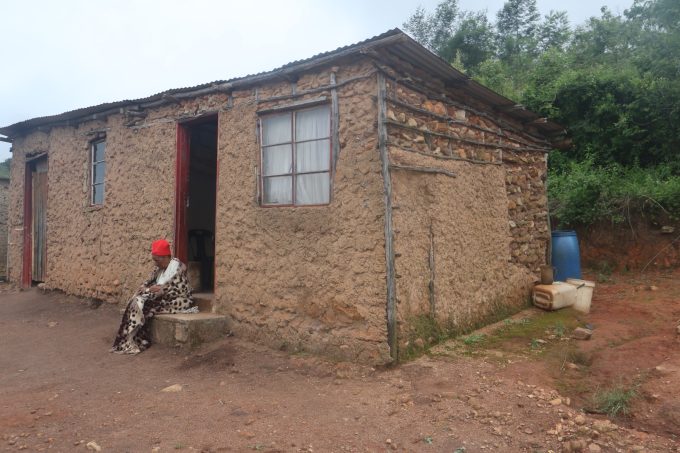
Dlamini said a household facing severe deprivation may regard marrying off a daughter as a way of securing her future or easing financial distress, but such a decision could expose the child to dependency, interrupted education, early pregnancy, violence and enduring disadvantage.
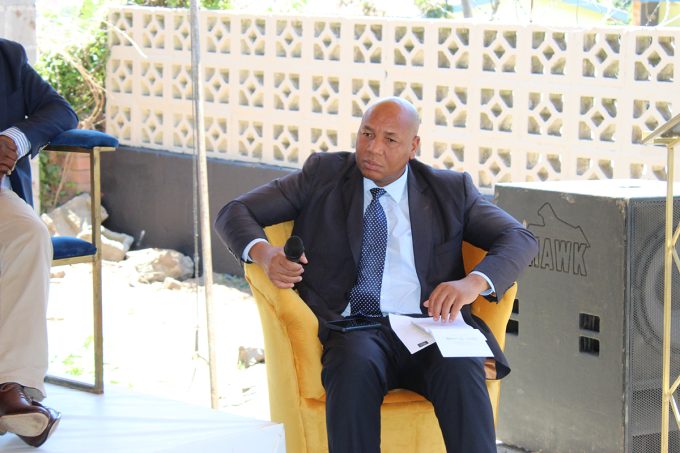
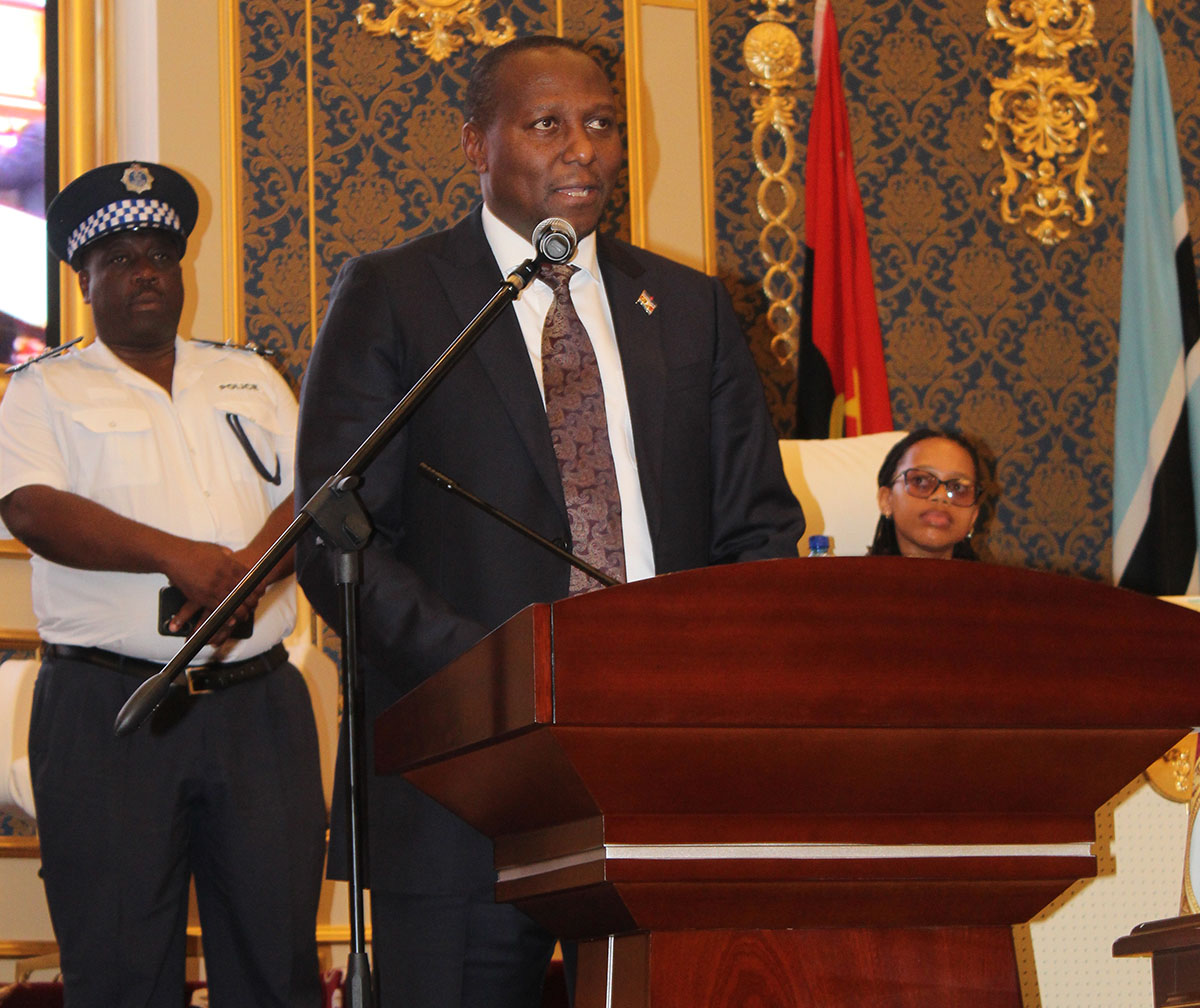
He was speaking during the official opening of the 59th Plenary Assembly of the SADC Parliamentary Forum at Palazzo Ezulwini on Saturday, under the theme, ‘Harnessing Political Leadership, Progressive Culture and Data to Accelerate the Eradication of Child Marriage in the SADC Region’.
The Prime Minister said the fight against child marriage must address the circumstances that sustain the practice, particularly poverty, which can leave families with limited options and place girls at risk.
“Poverty remains a powerful driver. A household facing severe deprivation may regard a daughter’s marriage as a means of securing her future or relieving economic distress. Yet that decision may expose her to dependency, interrupted schooling, early pregnancy, violence and enduring disadvantage,” he said.
He said the response should therefore extend beyond stopping marriages to providing support that would enable vulnerable families to overcome hardship without compromising the safety, dignity and future of their children.
Dlamini said social protection, access to quality education, livelihood opportunities and support for vulnerable households should form part of a coordinated prevention programme.
He stressed that keeping a girl child in school requires more than simply providing a place in the classroom, noting that some learners need assistance with essential costs, safe transport and protection from violence to remain in education when their families face difficult circumstances.
“These are practical obligations through which public policy gives substance to the promise of equal opportunity,” he said.
The Prime Minister further emphasised that the girl child’s worth should not be defined by marriage, but by her dignity, potential and the opportunities she should be afforded to develop.
“Every girl must grow in the assurance that her worth is inherent in her person, her dignity and her potential. Her future must never be reduced to the prospect of marriage,” Dlamini said.
He also cautioned against the exploitation of children through material inducements, peer pressure and promises of financial security, saying adults had a responsibility to protect children rather than exploit their vulnerabilities.
Dlamini said physical development should never be mistaken for emotional maturity, legal capacity to marry or readiness to assume the responsibilities of marriage.
He called for a coordinated response to early sexual activity, adolescent pregnancy and HIV vulnerability through age-appropriate education, responsible parenting, accessible health services and effective protection against abuse.
The Prime Minister said while laws prohibiting child marriage were indispensable, their effectiveness depended on addressing the social and economic conditions that perpetuated the practice.
He said Eswatini’s Constitution, the Children’s Protection and Welfare Act of 2012 and the Sexual Offences and Domestic Violence Act of 2018 formed part of the country’s child-protection framework, but continued legal review and harmonisation were necessary to ensure clear and consistent protection.
He urged parliamentarians to ensure that legislative commitments were matched by adequate funding, functioning institutions and sustained oversight.
Dlamini also called on traditional and religious leaders, parents, educators, civil society and young people to work together in protecting children, noting that the family should remain the first place of protection and schools among the strongest instruments of prevention.
He said the success of efforts to eradicate child marriage should ultimately be reflected in girls remaining in school, children reaching adulthood safely and young people being able to determine their futures without coercion and exploitation.