
MBABANE – An ordinary liSwati with E500 could soon become an investor in government securities.
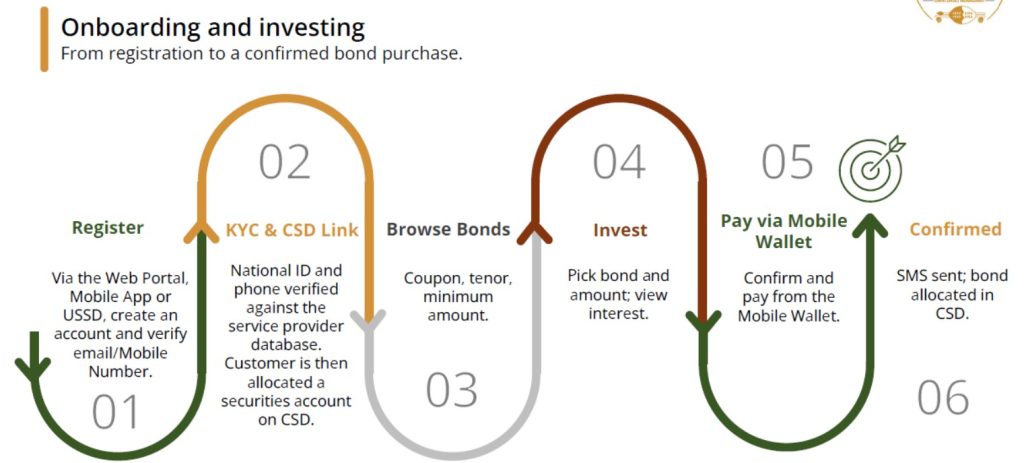
This follows the Central Bank of Eswatini’s introduction of a Retail Bond Programme designed to make investing accessible to everyone.
The initiative, which is scheduled to go live on April 1, 2027, is set to change how ordinary emaSwati participate in the country’s financial markets by allowing individuals to invest directly in government bonds without the traditionally high capital requirements.
For someone who has always associated investing with wealthy individuals, banks and large financial institutions, the programme presents a different proposition: The opportunity to start building an investment portfolio with as little as E500.
financial inclusion
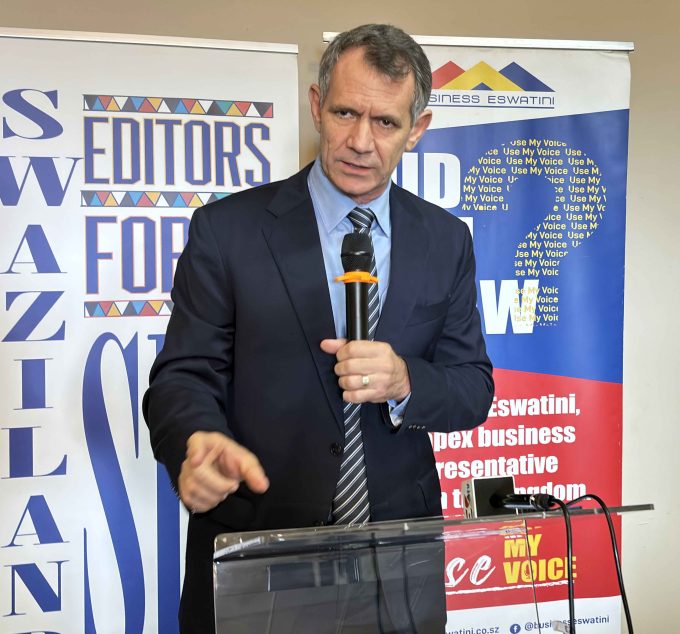
The programme was officially launched by Central Bank of Eswatini Governor Dr Phil Mnisi on Friday, as part of the bank’s broader efforts to deepen financial inclusion, promote a savings culture and mobilise domestic resources for national development.
In simple terms, a bond is money that an investor lends to an issuer for an agreed period in exchange for interest payments.
In the case of government bonds, an individual is effectively lending money to government, which undertakes to pay interest at an agreed rate and return the original amount invested when the bond reaches its maturity date.
It is similar to lending someone money with an agreed arrangement on how much interest they will pay and when they will return the borrowed amount. The difference is that government Bonds are formal financial instruments with predetermined investment conditions.
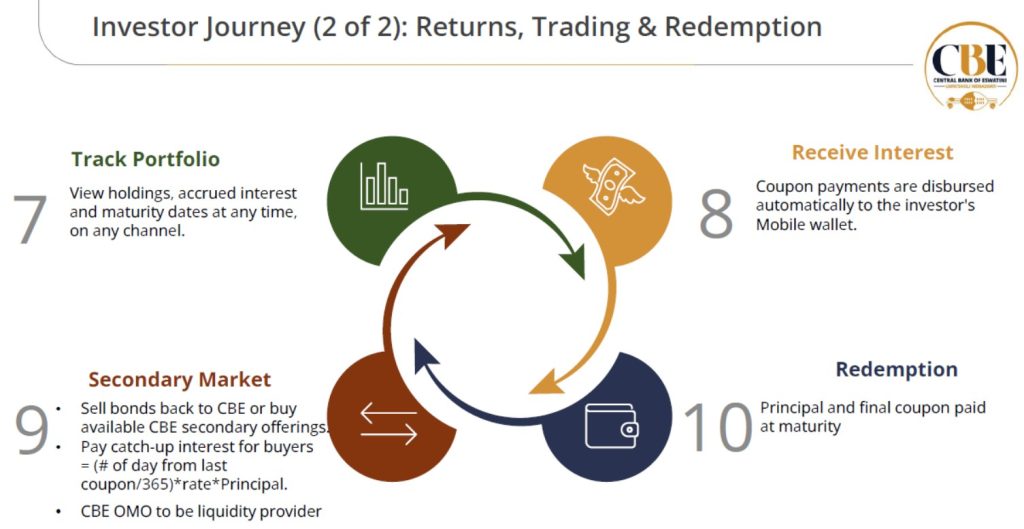
For example, if an individual invests E5 000 in a government bond carrying a fixed annual interest rate, they will receive interest calculated according to that rate, with payments made every six months under the Retail Bond Programme.
At the end of the agreed investment period, government repays the original E5 000, together with the final interest payment.
This makes bonds a fixed-income investment because investors know the interest rate attached to their investment and the period after which their principal amount becomes due.
Government securities are generally regarded as among the safer investment instruments because they are backed by the issuing government’s obligation to repay. However, investors should still understand the terms of each offering and the risks involved. One of the most significant aspects of the Retail Bond Programme is its affordability.
government securities
Historically, participating in government securities has largely been associated with institutions and individuals who can afford substantial investment amounts.
The Central Bank’s presentation indicates that conventional Treasury Bills and government bonds have a minimum investment requirement of E10 000, while the Retail Bond Programme introduces an entry point of E500.
This is a considerable reduction that could open the investment market to a much wider population.
For instance, an individual earning a monthly salary, a small business owner, an informal trader or someone who regularly puts aside a portion of their income could begin investing without having to accumulate E10 000 first.
The opportunity also introduces a different way of thinking about personal finances. Instead of treating every amount saved as money that must simply remain in a bank account or mobile wallet, individuals can consider putting some of their savings into an investment that generates interest.
The programme is particularly relevant for young people entering the workforce, who could begin developing investment habits early, as well as households looking for alternative ways of growing their savings.
However, the actual returns will depend on the coupon rate attached to each bond offering, which the Central Bank will communicate when the respective investments become available.