

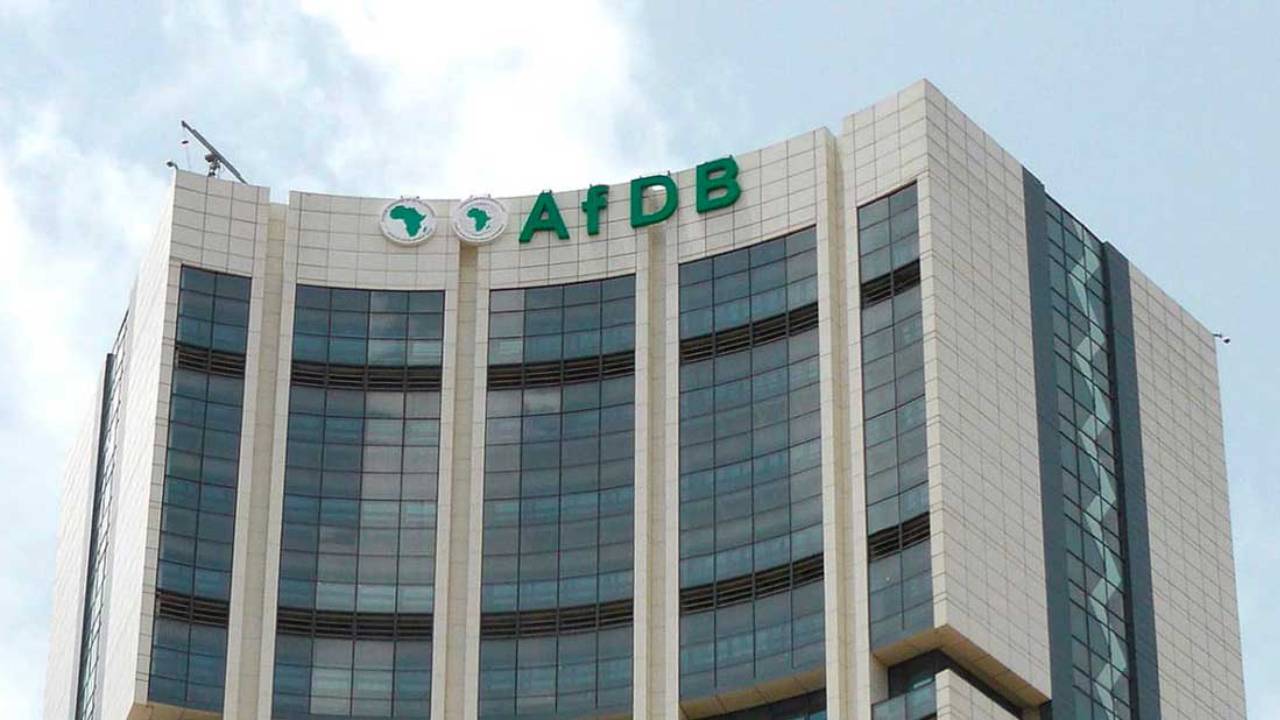
MBABANE – The African Development Bank (AfDB) has spotlighted a range of untapped investment opportunities in Eswatini, from agro-tourism to green energy and ICT infrastructure.
The bank is calling for targeted reforms and capital mobilisation to unlock the country’s full growth potential.
According to the bank’s 2025 Country Focus Report for Eswatini launched last Friday, strategic sectors such as agribusiness, value-added manufacturing, renewable energy, trade, education, infrastructure and financial services could drive long-term sustainable development if backed by domestic and international investment.
Eswatini’s comparative advantages in agriculture and land use create natural investment opportunities in agro-processing, sustainable farming, export-oriented agriculture and agro-tourism.
Industrialisation prospects lie in textiles and food processing, sectors where value-added manufacturing can significantly boost jobs and exports.
“Eswatini can enhance competitiveness by combining improved farming techniques, innovative processing and environmentally sound practices,” the report notes.
The AfDB argues that unlocking this potential will require better infrastructure, lower production costs and strategic partnerships to expand export markets.
The report identifies renewable energy—particularly solar and biomass—as a high-potential sector that can help reduce dependence on electricity imports from South Africa and Mozambique.
At the same time, investments in ICT infrastructure are seen as critical to improving digital inclusion, e-government services and entrepreneurship.
The bank recommends leveraging public-private partnerships (PPPs) to attract private capital for large-scale infrastructure and energy projects.
The bank further highlighted that Eswatini’s natural capital is valued at US$8.4 billion as of 2018—driven by cropland, forests, pasturel and and non-renewable resources like coal. However, its per capita natural wealth remains below that of regional peers.
Agriculture, forestry, mining and quarrying contributed modestly to GDP growth in 2023 and 2024, but the report notes that better data, policies and governance frameworks could dramatically enhance returns on natural resource management.
A sovereign wealth fund is expected to help Eswatini monetise its resource base, though the country still lacks a formal natural capital management strategy.
Eswatini’s private sector has shown signs of growth, with the number of registered firms rising from 5 000 in 2010 to 9 000 in 2022. Yet in terms of firms per 1 000 people, Eswatini lags behind its neighbours—registering just 0.8 compared to 20 in Botswana and 28 in South Africa.
Challenges such as limited export diversification, high unemployment, the lingering impact of HIV/AIDS on the workforce, and inadequate infrastructure continue to raise the cost of doing business.
“Eswatini must strengthen business capital through a multi-pronged strategy that expands access to microfinance, promotes venture capital and supports business incubators,” the report suggests.
The report further notes that Eswatini’s financial sector is still underdeveloped as capital markets contribute only 2 per cent of GDP, while financial institutions account for 16 per cent and lending activities for 26 per cent. Nearly 37 per cent of the population remains unbanked, especially in rural areas.
Eswatini’s stock exchange remains small, with limited listings and low liquidity. Conservative lending practices and a lack of diverse financial products restrict SME growth.
Two central guarantee schemes aim to de-risk lending, but they fall short of covering most SME needs.
The bank said reforms are needed to diversify financial instruments, strengthen regulatory frameworks and scale up financial literacy and alternative financing, including microfinance and blended finance.
In 2024, the Eswatini government raised funds through the domestic bond market, with treasury bonds making up 77.6 per cent of total government securities.
Notably, foreign institutions began purchasing Eswatini bonds, a sign of growing confidence in the country’s macroeconomic management.
The report encourages building on this momentum through:
- Offshore partnerships and international finance hubs,
- Regulatory improvements to inspire investor confidence,
- Better coordination with development finance institutions.
To transform investment potential into real economic outcomes, AfDB outlines several actionable steps for Eswatini:
1. Expand access to micro and venture capital for entrepreneurs.
2. Invest in agri-tech, clean energy and digital sectors.
3. Streamline business registration and permitting processes.
4. Strengthen PPP frameworks to attract infrastructure finance.
5. Improve vocational training and workforce readiness.
6. Promote ESG standards on the Eswatini Stock Exchange.
7. Develop a national strategy for managing natural capital.
… govt commits to attracting investment in renewable energy
MBABANE – Government remains committed to working closely with the private sector and development partners to attract investment in renewable energy.
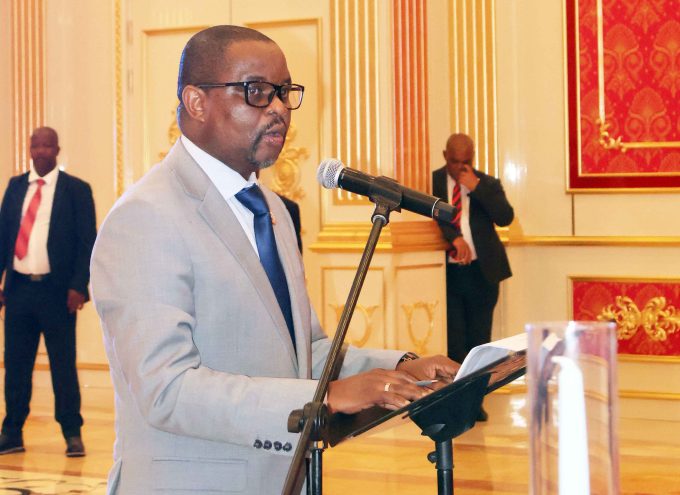
Minister for Economic Planning and Development, Dr Thambo Gina said government will also explore the establishment of regional hubs in sectors like agro-processing, tourism and financial services to boost industrial competitiveness.
Dr Gina made his remarks during the launch of the 2025 Country Focus Report (CFR) for Eswatini last week.
He said the report, which is themed ‘Making Eswatini’s Capital Work Better for its Development’, could not have come at a more fitting time as the world grapples with geopolitical tensions, economic shocks and instability.
These external disruptions, the minister noted, have increased the cost of living, constrained fiscal space, disrupted trade and driven up the cost of capital in the kingdom.
Dr Gina emphasised that Eswatini is endowed with abundant natural capital—including fertile agricultural land, forestry resources and biodiversity found in national parks. He said the report rightly highlights these assets as foundational pillars of future economic growth.
While acknowledging that Eswatini’s financial system is relatively small, he noted that it remains sound and well-regulated, thanks to strong oversight of the banking sector and pension funds.
“Our financial system, though modest in size, remains sound and is underpinned by well-regulated banking institutions and pension funds,” the minister stated.
Dr Gina said Eswatini acknowledges the need for a multipronged approach to development—one that includes scaling up investment in key sectors, while mitigating the threats of climate change and global economic shocks.
He noted that despite limited fiscal resources, government would continue to prioritise high-impact areas.
“We are committed to working with stakeholders to close investment gaps and promote structural transformation,” he said.
The minister highlighted a series of ongoing reforms aimed at improving the value of Eswatini’s capital and the overall investment climate.
“These efforts are meant to strengthen resilience and ensure sustainability across the economy,” he noted.
Dr Gina stressed that strong collaboration across public and private sectors, as well as with development finance institutions, is critical to mobilising finance for development. He also emphasised the importance of innovative financing tools that go beyond traditional models.
On the macroeconomic front, government is working to broaden the revenue base, enhance expenditure efficiency and stabilise public debt.
Measures to promote export diversification, regional integration and green industrialisation are also being advanced to improve competitiveness.
In closing, the minister praised the AfDB for producing what he called a timely and insightful report. He said the findings would serve as a vital guide as Eswatini works to:
- Enhance natural capital management
- Build economic resilience
- Transition to a green and sustainable economy
“This report provides valuable insights into how Eswatini can better leverage its capital for sustainable development.
“I look forward to discussions that will help define actionable steps going forward,” he concluded.















Leave a comment