

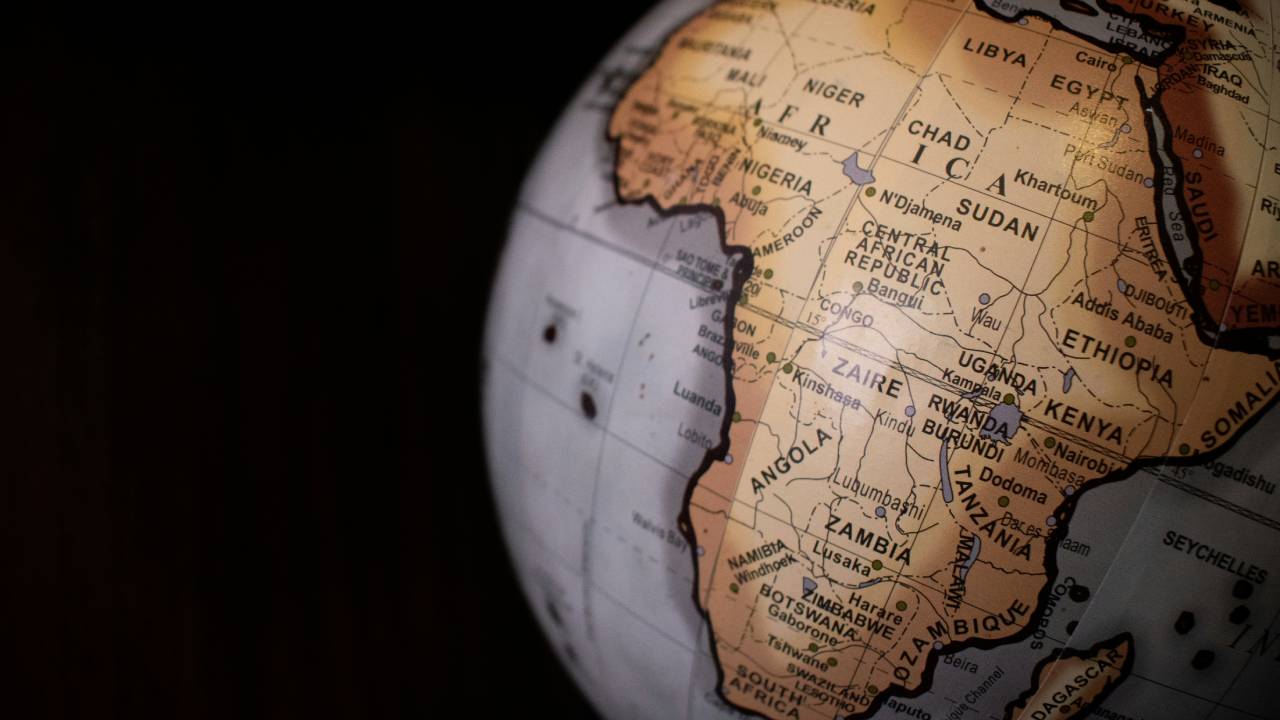
MBABANE – African leaders have called for an urgent review of US tariffs on African exports, urging a shift towards transformative partnerships and investment in Africa’s economic potential.
Addressing more than 2 000 government and business leaders, and other delegates at the US-Africa business summit in the capital Luanda, Angolan President João Lourenço said: “It is time to replace the logic of aid with the logic of investment and trade.”
He urged US companies to diversify beyond traditional oil and mineral extraction and invest in sectors such as automotive manufacturing, shipbuilding, tourism, cement production and steel production.
African Union Commission Chairperson Mahmoud Ali Youssouf, added: “We’re not seeking aid, but building co-created solutions.” He called for the removal of punitive tariffs and visa restrictions, noting that Africa’s 1.3 billion people and abundant resources remain among the world’s most significant untapped economic opportunities.
“This should not just be a summit, but a call to action. Together, let’s walk the pathways to prosperity—with unity, purpose and Agenda 2063 as our guide,” he told the summit.
In his remarks, African Development Bank Group President Dr Akinwumi Adesina said, “We should review the high tariffs on African countries. What is needed is more trade between Africa and the US, not less.”
African Continental Free Trade Area (AfCFTA) Secretary General Wamkele Mene reinforced Africa’s integration agenda, highlighting the importance of open regional markets. “The undertaking of the AfCFTA is an ambitious one—It has to be ambitious,” Mene said. He emphasised that the success of AfCFTA is essential to scale investment, reduce fragmentation and accelerate industrial development across the continent.
Building real partnerships
The central message was clear: the era of aid dependency is over, and the time for transformative investment partnerships has arrived. The leaders called for bold, strategic investments to unlock Africa’s trillion-dollar potential.
Responding to the call for deeper engagement, US officials acknowledged Africa’s growing economic importance and the need to reset perceptions. Senior State Department Bureau Official Troy Fitrell said: “There are business leaders in the US who need to understand the opportunities that lie in doing business with Africa. Our mission going forward will be to find them—and bring them in.”
The US-Africa Business Summit promotes economic cooperation and investment between the United States and Africa with a focus on fostering sustainable and inclusive economic growth. By bringing together leaders from government, business, and civil society, the summit provides a platform to discuss key issues and opportunities in the US–Africa relations, ultimately driving growth and development on both sides.
Adesina pointed to the Lobito corridor as a concrete example of strategic investment already underway.
“That is why the African Development Bank is a key strategic partner with the U.S., Angola, and Zambia on the development of the Lobito corridor,” he said. This critical corridor will link the vast areas of Zambia and the Democratic Republic of the Congo to the port of Angola, improving mineral supplies, unlocking agricultural potential, and creating jobs.
The African Development Fund, the soft loan arm of the Bank Group, will be providing US$500 million in support of the development of the Lobito Corridor. Additionally, the African Development Bank will provide US$1 billion over five years for complementary investments around the corridor, including agricultural value chains, roads, and energy infrastructure.














Leave a comment