


The recent revelation that the Kingdom of Eswatini has accepted five high-risk criminal migrants from the United States (US) might seem negative. However, when viewed in the broader context of geopolitics, economics and Eswatini’s unique international position, a more nuanced and possibly positive picture emerges. Eswatini’s ongoing alignment with American interests, especially through its rare diplomatic recognition of Taiwan over Mainland China, opens opportunities that few African countries still have. While these recent events might raise concerns, they also highlight Eswatini’s growing strategic importance to American foreign policy and, by extension, to future investment prospects.
Eswatini’s unique geopolitical positioning
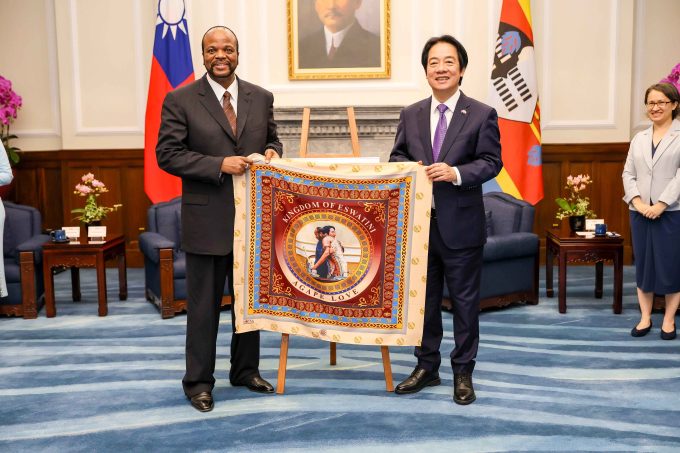
Eswatini remains the only African country with full diplomatic relations with Taiwan, a stance most other African nations have abandoned in favour of economic ties with Beijing. This relationship cannot be viewed separately from American foreign policy, especially under administrations like Trump’s that aimed to strengthen Taiwan’s position as a counterbalance to China’s growing influence. For the United States, having a friendly and strategically located African partner — even one as small as Eswatini — boosts its influence in international forums and trade negotiations. By maintaining its ties with Taiwan, Eswatini has inadvertently strengthened its relationship with the United States. Washington views Taipei’s allies as proxies in its broader containment strategy against China. In this regard, Eswatini has positioned itself as an indispensable partner, regardless of its small size or lack of global recognition.
Eswatini, AGOA: A testament to favourable relations
Eswatini’s retention of benefits under the African Growth and Opportunity Act (AGOA), especially its preferential 10 per cent tariff during the Trump administration, highlights the strategic advantage it enjoys. While neighbouring Southern African Customs Union (SACU) countries like South Africa, Namibia, Botswana and Lesotho faced increased scrutiny and tariff pressures, Eswatini kept its status. This cannot simply be luck; it shows a deliberate choice by the United States to reward loyalty and strategic alignment. AGOA privileges provide Eswatini with a significant competitive edge in manufacturing and exports, particularly textiles and agricultural goods, into the vast American market. For American investors and indeed European investors, this makes Eswatini an attractive platform for reaching not only regional markets, but the lucrative US consumer base as well.
Confidence of American multinationals: Coca-Cola, Kellogg’s investments
The sustained and growing presence of major American multinationals like Coca-Cola and Kellogg is no coincidence. Coca-Cola’s concentrate plant in Eswatini, one of only two in Africa supplying the entire continent, signals deep corporate confidence. Such investments are not only about supply chains; they reflect an assessment of political stability, infrastructure and favourable trade environments. Coca-Cola’s choice sends a loud signal to the global business community: Eswatini is a viable, stable and strategically valuable investment destination. Similarly, Kellogg’s multimillion-dollar investment highlights growing American corporate interest. While some might see this as mere business expansion, within the larger geopolitical context, it may reflect a calculated bet by American industry that Eswatini’s loyalty to US interests will continue to pay dividends. These investments provide job creation, skills transfer and infrastructure upgrades that benefit the Eswatini economy beyond immediate profits.
All publicity is good publicity?
The recent media spotlight from global outlets like CNN, FOX News, BBC and Al Jazeera on Eswatini — triggered by the unusual criminal case — ironically, places the country into conversations where it was previously invisible. For a country often dismissed in geopolitical discourse, being researched and discussed for its economy, governance and international relations is itself a form of soft power. This visibility can attract curious investors, policymakers and strategists seeking opportunities in ‘untapped’ regions. Eswatini’s economic indicators further bolster this attention. With a middle-income status, a relatively high Human Development Index ranking within Africa’s top 15 and infrastructural assessments by bodies like the African Development Bank showing strong fundamentals, the country stands on solid ground. This newfound global attention may catalyse more robust foreign direct investment flows, particularly from nations or companies seeking stable African entry points not beholden to Chinese influence.
Comparative advantages within SACU and SADC
Within the SACU, Eswatini’s AGOA benefits set it apart. While Lesotho, Botswana, Namibia and even regional powerhouse South Africa contend with broader US tariff regimes, Eswatini enjoys relative exemption. This makes it a preferred conduit for certain US-bound goods, potentially transforming it into a mini-hub for trade diversification. As companies look to mitigate tariffs elsewhere, Eswatini becomes an appealing manufacturing and export base. This preferential treatment may increasingly attract industries relocating from neighbouring States to leverage Eswatini’s access advantages, boosting employment, skills development and infrastructure investment. Moreover, being in the Rand Monetary Area ensures currency stability, another attraction for cautious investors.
The criminal migrants: Risk or strategic move?
At first glance, accepting dangerous criminals seems counterintuitive for a small and peaceful country like Eswatini. However, in international relations, gestures carry weight. By assisting the US in this sensitive matter, Eswatini demonstrates trustworthiness as a partner willing to shoulder burdens for broader diplomatic goodwill. This might well be part of a larger quid pro quo, where such cooperation opens doors for further economic and security cooperation.
Given the US’s track record of favouring strategically cooperative regimes despite criticisms of democracy — as seen in Saudi Arabia and Singapore — Eswatini’s governance model may not hinder deeper ties. The monarchy’s centralised control, often criticised, provides the kind of political predictability businesses and governments prefer over volatile democracies.
Regional political implications
Politically, Eswatini’s moves may strain relations within SADC and SACU. Its alignment with US and Taiwan interests contrasts sharply with its neighbours’ growing ties to China. However, this divergence could be to Eswatini’s benefit, allowing it to serve as the ‘Western gateway’ within a China-aligned region, a role that can bring both diplomatic leverage and economic advantage. This positioning might create diplomatic friction, but it also ensures Eswatini’s indispensability to multiple sides: a bridge for the west in southern Africa, and a pathway to American markets for neighbouring countries through indirect partnerships.
Conclusion: A calculated gamble that may pay off
In sum, these criminal migrants, though superficially a security risk, appears part of a broader strategic engagement between Eswatini and the United States. Far from weakening Eswatini’s standing, this episode underscores its role as a trusted, loyal ally in a continent where such relationships are increasingly rare. Eswatini’s steadfastness to US and Taiwanese ties, its AGOA privileges, the confidence shown by multinationals like Coca-Cola and Kellogg’s, and its growing media visibility all point to an emerging narrative: this small nation is becoming an unlikely yet pivotal player in Africa’s geopolitical and economic landscape. While risks remain — both in security and regional diplomacy — Eswatini’s unique positioning offers it opportunities that far outweigh these challenges. The recent developments may well mark the beginning of a new era, where the kingdom leverages its strategic value not just for survival, but for genuine prosperity through job creation.

















Leave a comment