

The kingdom has been abuzz with a couple of cultural events in the past couple of weeks. The nation was engaged in Butimba and transitioned seamlessly into the annual Umhlanga ceremony.
The Kingdom of Eswatini is truly blessed to be among the few countries in the world who have maintained their cultural identity in the mainstream, while also taking leaps and bounds towards modernisation.
In Eswatini, we do not just do tradition, we are tradition. It shapes our identity, fosters national cohesion and, dare I say, our traditional and cultural events and activities offer unique economic infrastructure that can be leveraged for further economic growth. We need to engender a home-grown plan on how to fully monetise our cultural events to drive sustainable and inclusive growth.
Imagine the prospects of being able to grow the economy, while we maintain our unique identity as a people. Think of the success story that lies in being able to evolve into the digital world while we embrace our culture, digitalising, without having lost our identity as a people. Let us imagine that blueprint together.
Tourism
Tourism is the leading service export from Eswatini to the world. Estimates show that tourism contributes around 2.4 per cent to the country’s GDP. Tourist arrivals in the country tend to posit some co-movement with our cultural events and of course the Bushfire festival. This influx of tourists is regarded as the direct benefits of tourism and our cultural events. It is imperative that we ramp up marketing around these cultural events to attract even more tourists into the kingdom.
There is also a glaring need to curate a tourist experience that will go beyond the fanfare around the traditional events into even longer tourist stay. There is untapped potential in creating a fully-fledged tourist experience. Our cultural identity and scenic gifts from nature are our main selling points and as such, we must leverage on those.
There is need to cultivate and grow the home stay tourism component of our tourism industry. Let us grow and sell an authentic Eswatini experience where visitors can enjoy what it truly means to be in Eswatini and be one with the people.
The fact that we have peace and stability in the kingdom should make this a relatively easy sell. Imagine, instead of Mantenga cultural village, sell that experience within an authentic home in Eswatini, not an artificial experience. I imagine this shouldn’t be easy to do considering we still have traditional homes, all that remains is to empower them.
Local value chain
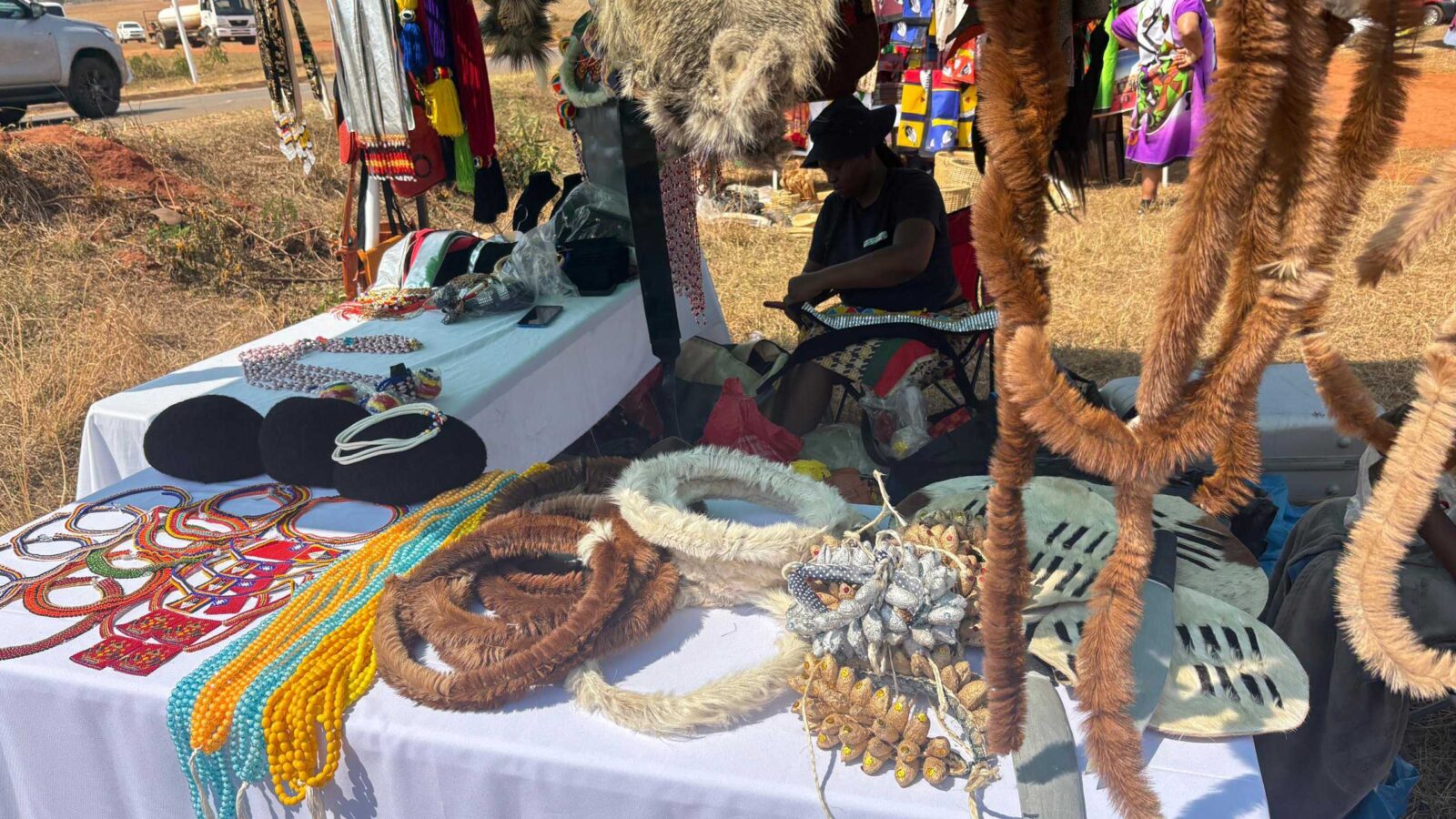
Tourism statistics show that the country still struggles to attract tourists for a longer period of time. Our package is centred around the events, offering snapshot benefits instead. We need to conceptualise and develop a tourism value chain. A value chain approach means looking beyond the event itself to the ecosystem it can support: from pre-event production (attire, crafts, food processing etc) to post event marketing (cultural tourism packages, digital storytelling, export of traditional products etc).
This requires a coordinated effort from multiple stakeholders to drive this investment and growth. I note that we have around four main and annual cultural events: Umhlanga, lusekwane, incwala and buganu ceremony. The economist in me visualises a seasonal demand in traditional attire, with at least four boom episodes. The question we need to ask ourselves as a nation is: Who makes these traditional attire? Is it a localised process or an imported process?
Where are the locals in that value chain? Are they visible or do they participate as consumers of a product that they ought to have cultural monopoly over? Is it not time to support initiatives such as Vukani Bomake to own and compete effectively in the production of our traditional attire.
Support local bead makers to get to the right scale in terms of production of beads and the woolen material. Support emajaha in making male traditional attire for our national events and for export of such. I see a need for us to invest in our traditional apparel industry to grow to the level of export readiness. Our cultural events generate a global reach – the possibility for global exports is real.
SME potential
Our cultural events attract multitudes and agglomeration means business. Our small and medium enterprises need to position themselves to engage with the attendees during the events. We need to curate our cultural events to provide both a cultural experience with a modern shopping experience. More planning needs to go into curating the spaces ensuring that businesses will be given prime real estate for visibility during events.
This requires proper planning and balancing between access for SMEs and engendering a purely authentic Eswatini experience. SMEs should utilise our cultural events as a space to showcase their products and offer products that the people can buy during the events. Also, all our cultural events are funded through Home Affairs’ budget, we need to ensure that SMEs are given quotas to supply during the events, hence increasing the multiplier effect.
Conclusion
Empower tradition, build cultural value chains and grow Eswatini’s economy.
















Leave a comment