

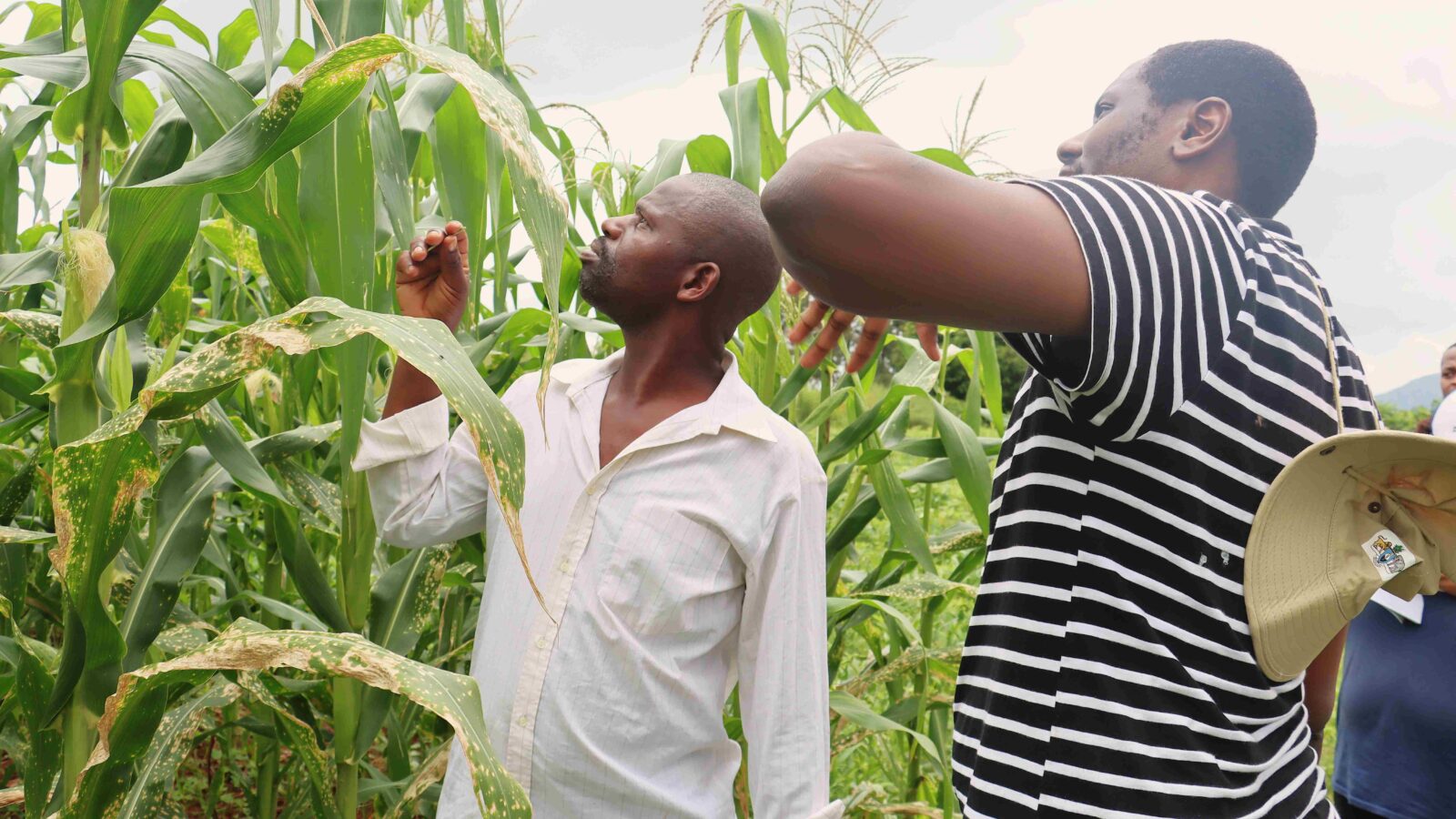
The Malabo Declaration, adopted in 2014, set out Africa’s agenda for agricultural transformation by 2025, committing member States to end hunger, halve poverty and promote inclusive agricultural growth. It established measurable targets to track progress and called on governments to implement policies that would strengthen food security, improve livelihoods and stimulate investment in agriculture. Over the past decade, Eswatini has made advances under this framework and its performance has in several respects outpaced that of its Southern African Development Community (SADC) peers.
A key tool for measuring progress has been the Biennial Review, which assesses how countries are meeting their Malabo targets. In the most recent review cycle, Eswatini scored above the continental average, placing it among the countries that showed steady advancement towards agricultural transformation. This is particularly striking, given the country’s small size and limited natural resource base, when compared with larger economies in the region.
One area where Eswatini has stood out is in its investment in agriculture as a share of public expenditure. The Malabo Declaration set a target of at least 10 per cent of national budgets to agriculture. While many SADC countries have consistently fallen short, Eswatini allocated above this threshold in several fiscal years; prioritising spending on irrigation schemes, rural infrastructure and farmer support programmes. Such investments have created an enabling environment for smallholder farmers and cushioned the sector against recurring challenges such as drought.
Eswatini has also advanced in agricultural productivity. The Malabo targets placed strong attention on doubling productivity levels and while few countries in the region have been able to show sustained progress, the kingdom recorded measurable gains in yields of maize, vegetables and sugar cane. This was achieved through targeted extension services, distribution of improved seed varieties and the rehabilitation of irrigation systems. For instance, the Lower Usuthu Smallholder Irrigation Project expanded access to irrigated plots for thousands of farmers, reducing dependence on rain-fed farming and improving resilience in a climate-stressed environment.
In terms of food security, the kingdom has made progress towards reducing hunger, though challenges remain. While absolute figures remained a concern, Eswatini achieved faster reductions compared to several SADC countries that experienced stagnation or reversals due to economic downturns, conflict or policy mismanagement.
Another dimension of the Malabo Declaration has been the focus on ending poverty through inclusive agricultural growth. Here too, Eswatini has registered gains. Smallholder farmers have benefitted from increased access to markets through the establishment of aggregation centres and value-chain development projects. By contrast, peers such as Zimbabwe and Malawi have struggled to achieve similar outcomes, due to policy instability and weak institutional capacity. Eswatini’s relative success has also been evident in its progress on climate-smart agriculture. Recognising the vulnerability of the sector to extreme weather, the country invested in conservation agriculture, water harvesting technologies and diversification of crops. The National Climate Change Strategy incorporated agricultural resilience as a key pillar, which aligned with Malabo commitments on climate adaptation. Other SADC countries, particularly those dependent on maize monoculture, lagged behind in adopting such measures, leaving their farmers more exposed to shocks.
Youth and women’s participation in agriculture formed another core element of the Malabo Declaration. Eswatini launched initiatives that increased access to land, finance and training for young farmers and women-led enterprises. On trade and regional integration, the Malabo framework encouraged intra-African trade in agricultural commodities. Eswatini leveraged its established sugar industry to maintain strong export earnings and integrated into regional value chains. The country’s adherence to quality standards allowed its products to remain competitive within SADC and the wider African market. Meanwhile, other States struggled with trade barriers, poor infrastructure and inconsistent quality control, limiting their ability to fully benefit from regional markets.
Institutional effectiveness has been another reason for Eswatini’s comparative performance. The Malabo Declaration called for accountability mechanisms and evidence-based planning. Eswatini’s Ministry of Agriculture developed a National Agricultural Investment Plan that provided clear priorities, budget allocations and monitoring frameworks. The country engaged in data collection and reporting for the Biennial Review, allowing it to identify gaps and adjust strategies. Several SADC countries failed to submit complete reports or relied on outdated data, which weakened their capacity to demonstrate progress or attract donor support.
It is important to note, however, that Eswatini’s progress did not imply that the country had achieved all its Malabo commitments. Food insecurity still affected segments of the population, poverty remained persistent in rural areas and productivity gains required sustained support to become entrenched. Yet when compared with regional peers, Eswatini demonstrated a level of consistency and policy coherence that set it apart.
Moving forward, the question for Eswatini and its SADC neighbours is how to consolidate the progress made and address remaining challenges. For Eswatini, the priority lies in sustaining investment in irrigation, extension services and value chains, while strengthening resilience against climate change. For peers, the lesson may lie in adopting clear agricultural investment plans, committing adequate budgetary resources and ensuring effective implementation.
Comments may be sent to 7982 2710



















Leave a comment