

More than one hundred world leaders recently gathered in New York to celebrate the United Nations 80th anniversary under the theme: ‘Better together: 80 years and more for peace, development and human rights’. This milestone arrives at a pivotal moment. The UN, conceived to prevent global catastrophe, confronts intensifying conflicts; possibly facing a retreat from diplomacy.
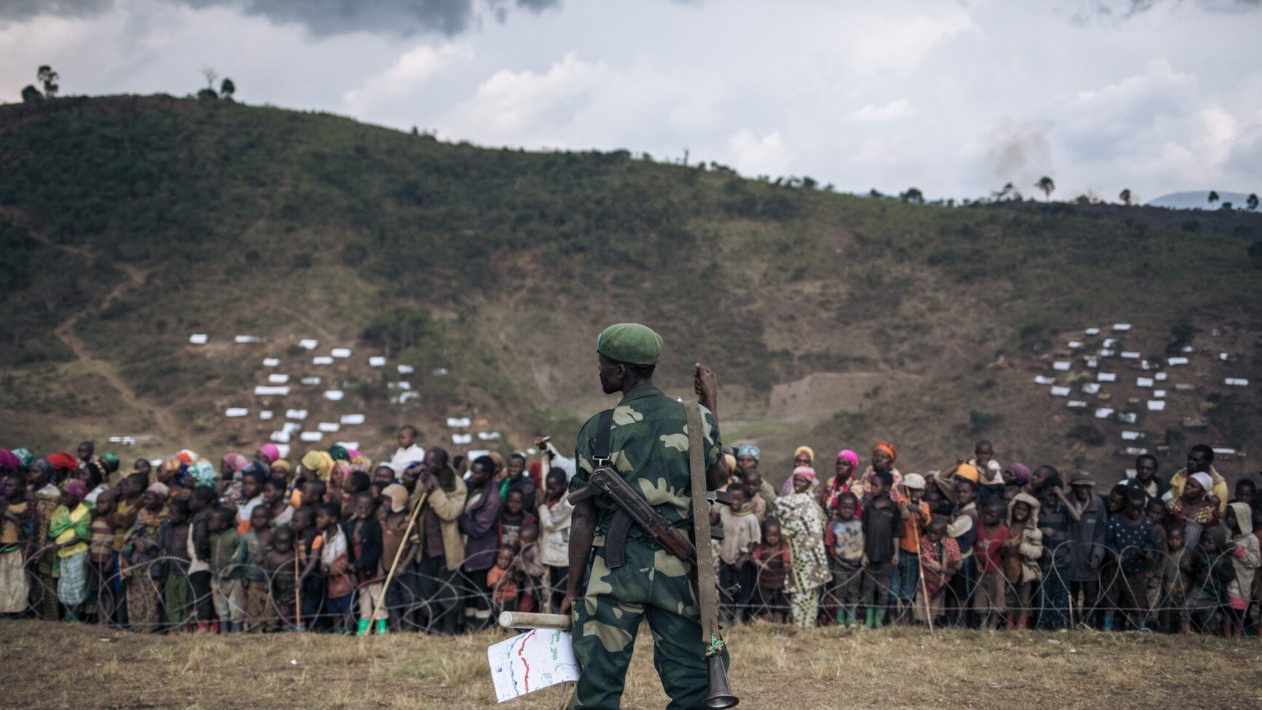
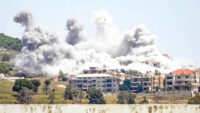
Today’s international landscape is deeply polarised. Conflicts in Gaza, Ukraine, Sudan and the Democratic Republic of Congo exemplify renewed ferocity and the immense human cost of war. At the same time, rising protectionism and tariff threats strain global trade, while reductions in development assistance threaten progress towards the Sustainable Development Goals. These combined pressures undermine the shared aspiration of peace, development and human dignity.
The UN’s founding charter articulated a hopeful vision: To save succeeding generations from the scourge of war, to affirm faith in fundamental human rights and to promote social progress and better standards of life in larger freedom.
That founding promise remains a moral anchor. Yet, the Charter’s effectiveness ultimately depends on the political will of member States prepared to honour their obligations.
Opening the historic meeting, the President of the United Nations General Assembly, Annalisa Bareback, declared the anniversary as a ‘make or break moment for the institution’. She dismissed suggestions that the UN is obsolete; arguing instead that the organisation falters when member States fail to act in accordance with the charter, as it is as strong as its members, she insisted; urging accountability for those who violate international norms.
She also highlighted concrete achievements, noting programmes that educate millions of children and the World Food Programme’s efforts to feed vulnerable populations worldwide.
The secretary General (SG) framed the choice before leaders in stark terms. The UN’s creation was a conscious decision: Cooperation over chaos, law over lawlessness and collective responsibility over raw self-interest. Yet, he warned that the world has entered an era of reckless disruption and relentless human suffering. Leaders must decide whether to embrace a future governed by laws and cooperation or one dominated by power struggles and impunity.
Human rights, he argued, are not ornamental. They constitute the bedrock of peace and require persistent defence and political will.
The Sustainable Development Goals remain the roadmap for shared progress, but their success depends on adequate financing and sustained commitments.
Regrettably, recent cuts to aid risk reversing hard-won gains in health, education and poverty reduction, with consequences that will reverberate for generations. The SG also confronted specific humanitarian crises. On Sudan, he condemned the slaughter and starvation of civilians and called for an immediate end to external support that fuels the bloodshed.
He demanded a full ceasefire and a just, lasting peace. On Gaza, he lamented a conflict entering its third year, with unprecedented levels of death and destruction in his tenure. While reiterating condemnation of the attacks of October 7, 2023 and the taking of hostages, he emphasised that nothing can justify collective punishment or the systematic destruction of civilian life and infrastructure.
It is disheartening to hear some leaders dismiss the UN as irrelevant, while simultaneously cutting funding and undermining multilateral institutions. The same political choices that erode the organisation also intensify the very crises nations claim the UN cannot solve. Equally troubling is the persistence of climate denialism, even as extreme weather, rising seas and ecological collapse jeopardise livelihoods across the globe.
The 80th anniversary should be a turning point. The commemoration must not be a stage for recrimination but a refocusing of priorities – one that channels the resources, attention and political energy of nations into strengthening multilateral cooperation.
Investing in the UN’s capacity to prevent conflict, reform peacekeeping, enforce accountability at the Security Council and accelerate climate action are all investments in global stability and the future of young generations.
Civil society, youth movements and regional organisations must be empowered to hold leaders accountable and to participate in solutions. The considerable costs of ceremonial diplomacy would be better spent supporting on-the-ground programmes that deliver education, healthcare and resilience to climate shocks.
For all its imperfections, the United Nations remains indispensable. It is the only global forum with the legitimacy and reach to convene States, set norms and coordinate collective responses to transnational threats. If member States fail to renew their commitments now, the world risks substituting cooperation with fragmentation, law with coercion and hope with despair.
At eighty, the UN is not outdated; it is essential. The future of humanity depends on whether leaders choose solidarity, accountability and shared responsibility over narrow self-interest. The anniversary should, therefore, mark the start of renewed global resolve to protect human dignity, preserve peace and build a more just future for succeeding generations.
Now is the time for bold political courage. Leaders must act decisively or history will judge them harshly.














Leave a comment