

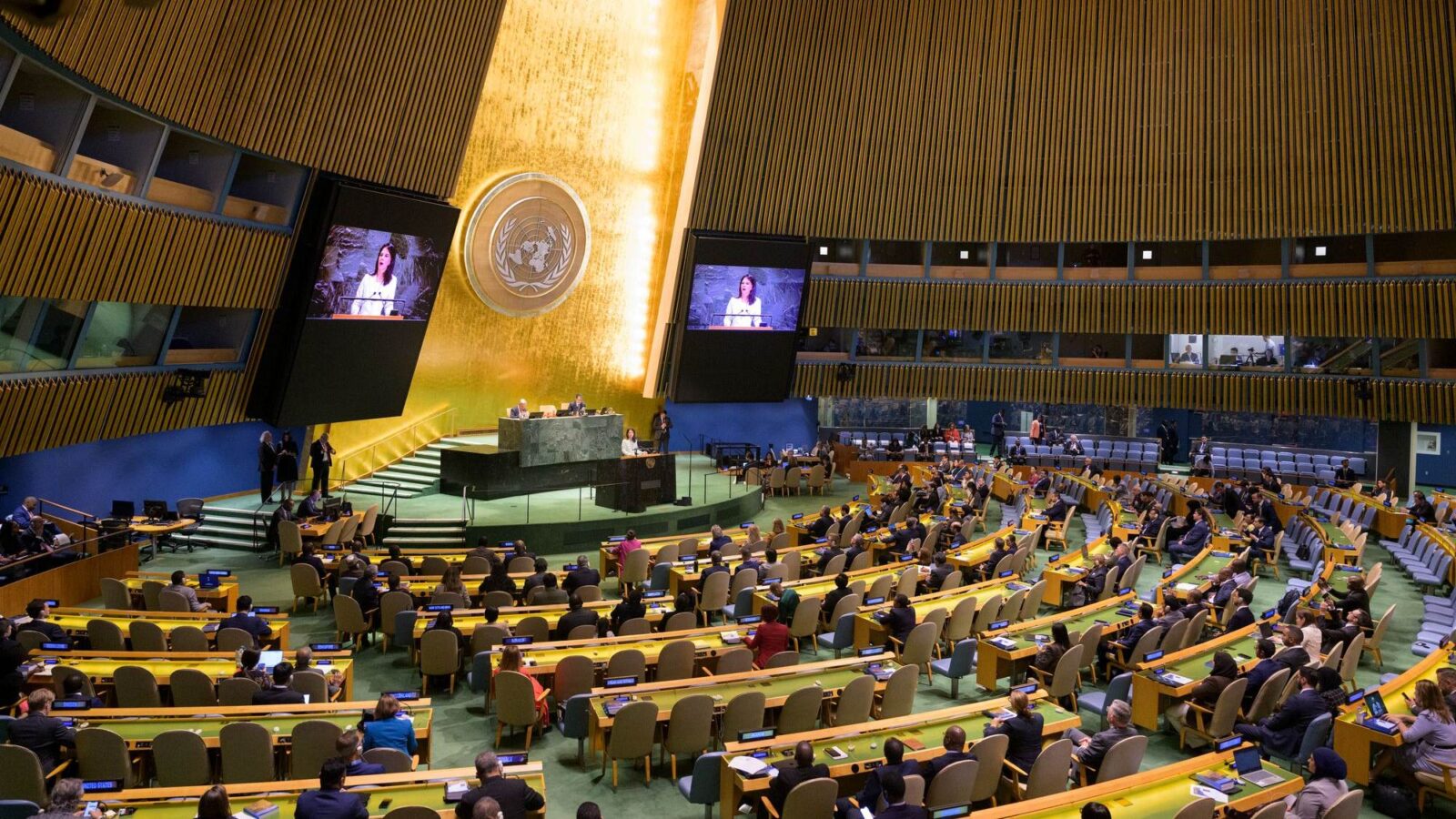
The United Nations General Assembly is often dismissed as a stage for lofty speeches, but the words spoken in New York this year are likely to shape politics well beyond its famous chamber. Leaders used their minutes at the microphone to set priorities, defend interests and sharpen divisions that will echo in global affairs for months to come.
Donald Trump’s return to the UN podium was classic Trump: Blunt, defiant and unapologetically nationalist. He dismissed the UN as bloated and ineffective, condemned migration policies and attacked countries still doing business with Russia.
He warned that America would no longer carry the burden of others’ failures; insisting that sovereignty must come before multilateralism. Supporters call it honesty; critics say it is isolation dressed up as strength. Either way, Trump’s message was unmistakable – the US intends to deal with the world on its own terms.
By contrast, Ukraine’s President Volodymyr Zelenskyy struck a note of urgency. He told leaders that Ukraine’s war is not only about his nation’s survival, but a test of whether international rules mean anything at all. His argument was simple: If Russia’s invasion goes unchecked, no country is safe from the same fate. It was less a plea for sympathy than a demand for solidarity, a reminder that war in Eastern Europe is a global problem, not a regional quarrel.
From Africa, the voices carried a different rhythm. South Africa’s President Cyril Ramaphosa warned against the weaponisation of trade, calling for fairer rules that allow African goods to compete globally. For him, equality in the international system cannot exist when tariffs and barriers lock Africa out of prosperity. His call resonated as a challenge to the economic hypocrisy of richer nations, that preach open markets, but practise protectionism.
His Majesty King Mswati III brought development to the forefront. He urged the UN to be more inclusive and effective, while stressing that peace must translate into better lives. ‘Silencing the guns’ means little, he suggested, unless it comes with schools, clinics and jobs.
His words were a sober reminder that political stability must be measured in the everyday improvements people experience.
Put together, these speeches reflect the shifting landscape of world politics. Trump reasserted nationalism, Zelenskyy demanded collective defence of international order, Ramaphosa pressed for trade justice and the King linked peace to development. Each voice pointed to a different battlefront: sovereignty, security, fairness and inclusion.
For ordinary people, the UN might seem distant, but what is said there shapes real outcomes. Tariff disputes change the price of goods at home. Security pledges influence whether conflicts escalate or are contained. Development appeals determine whether aid flows into hospitals or stalls in bureaucratic bottlenecks.
Words in New York become policies that affect kitchen tables around the world. The test now is whether those words will be matched with deeds. If Zelenskyy’s call for solidarity hardens global resolve, if Ramaphosa’s trade demands spark reform, if King Mswati’s appeal leads to development funding; and if Trump’s tough talk results in stability, rather than chaos, then this assembly may be remembered as a genuine turning point. If not, it will be just another season of grand speeches and little action.















Leave a comment