

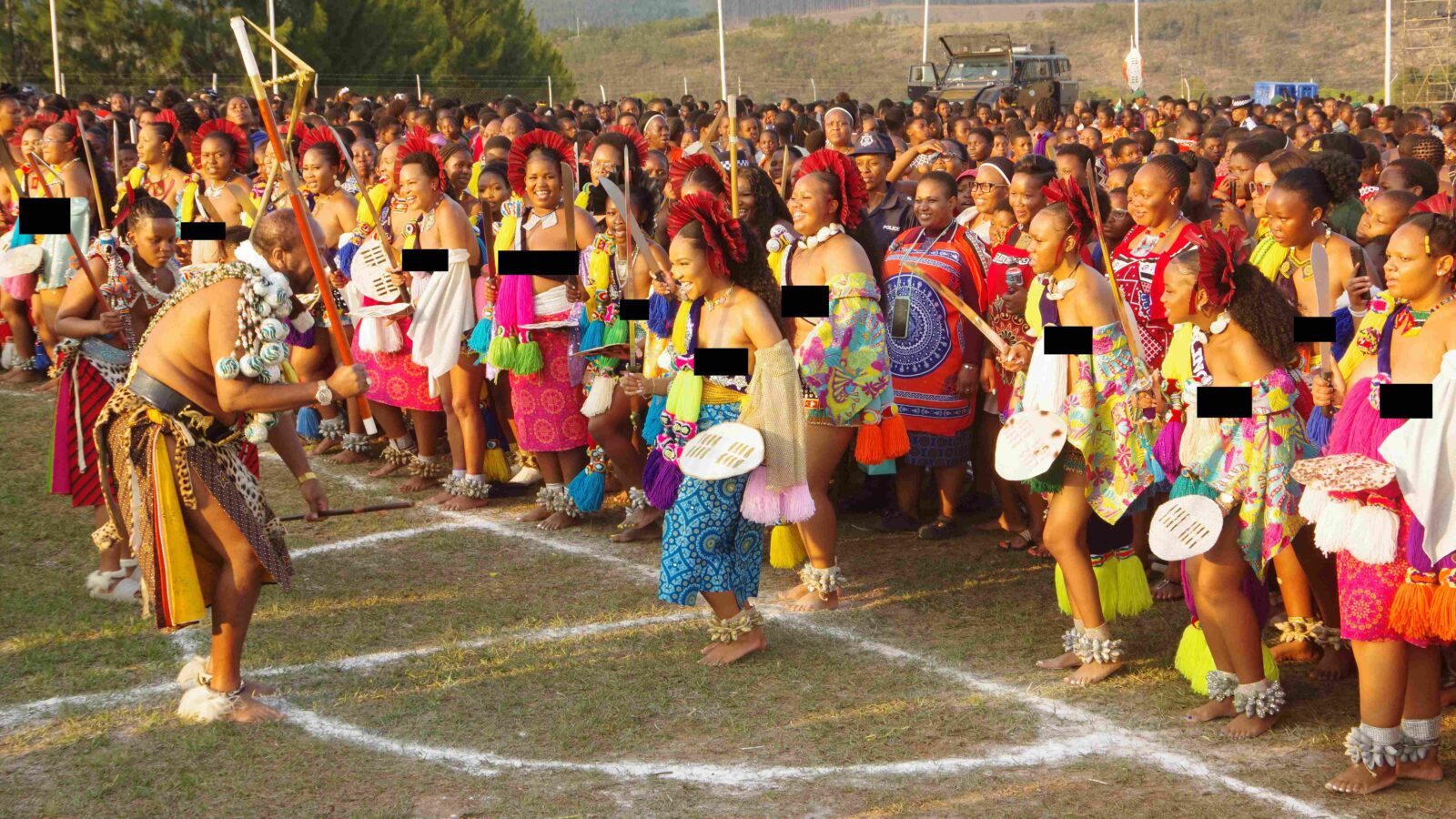
There’s nothing quite like the sight of thousands of young women dancing proudly, dressed in the bright colours of Eswatini’s tradition. The songs, the dancing, the joy in the air, it’s a moment that reminds everyone watching that this is more than just a ceremony. It’s a celebration of who we are as a nation and a promise that our culture is alive and well.
This year’s Umhlanga Ceremony, held first at Ludzidzini Royal Residence on September 8 and later in Nhlangano, once again reaffirmed Eswatini’s timeless embrace of identity and unity. While the ceremony celebrates chastity, respect and womanhood, it also stands as one of Africa’s most majestic cultural showcases; a living reminder that tradition, when nurtured, can coexist beautifully with modernity.
In an age where globalisation has flattened many of the world’s unique cultural contours, Eswatini’s commitment to hosting the ceremony each year is a quiet act of defiance and a powerful one. It tells the young liSwati woman that her roots are not outdated relics, but rather threads of strength connecting her to generations past. Additionally, it tells the international observer that this small kingdom, nestled between two giants, still dances to its own proud rhythm.
What’s more, culture has become currency and Eswatini is rich in it. Around the world, countries are rediscovering the economic potential of their heritage industries. Festivals, traditional ceremonies and indigenous art forms are being leveraged as tourism magnets and investment gateways. The Reed Dance, therefore, is not just a cultural celebration, it’s an investment portfolio in motion.
Each year, the ceremony draws visitors from across Africa, Europe, Asia and beyond. Diplomats, investors, journalists and curious travellers alike flock to witness this grand affirmation of identity. They leave not only with photographs and souvenirs, but with stories – stories that travel further than any marketing campaign could reach. When Eswatini celebrates itself, the world takes note.
The second leg of the ceremony in Nhlangano adds yet another layer of brilliance. It decentralises the cultural experience, allowing more people in the southern region to witness and participate in one of the nation’s proudest traditions. It’s also a reminder that Eswatini’s cultural spirit isn’t confined to one location, it lives in every homestead, every song and every young woman who carries a reed with dignity and pride.
Beyond its economic and diplomatic allure, the Reed Dance serves as a moral compass in a rapidly changing world. It promotes values of respect, community and discipline; qualities that form the backbone of our society. In a time when the world grapples with identity crises and cultural erosion, Eswatini offers a refreshing lesson, which is, the future belongs to nations that remember who they are.
It’s easy for critics to dismiss such ceremonies as outdated, but perhaps that’s because they miss the point. The Reed Dance isn’t about nostalgia, it’s about continuity. It’s about ensuring that, in a world obsessed with reinvention, Eswatini doesn’t lose its essence.
Furthermore, as the reeds are laid down, the songs fade into twilight and the maidens return home, the message endures: Eswatini’s culture is not a performance; it’s a pulse. A living, breathing testament to a kingdom that has learnt how to blend heritage with hope and pride with progress.
If the world is looking for authenticity, beauty and meaning – it need not look far. It just needs to follow the sound of Imbali singing in Eswatini, where the rhythm of the reed continues to echo across generations, inviting all to listen, learn and perhaps even dance along.
For comments please email khulileb.thwala@gmail.com


















Leave a comment