

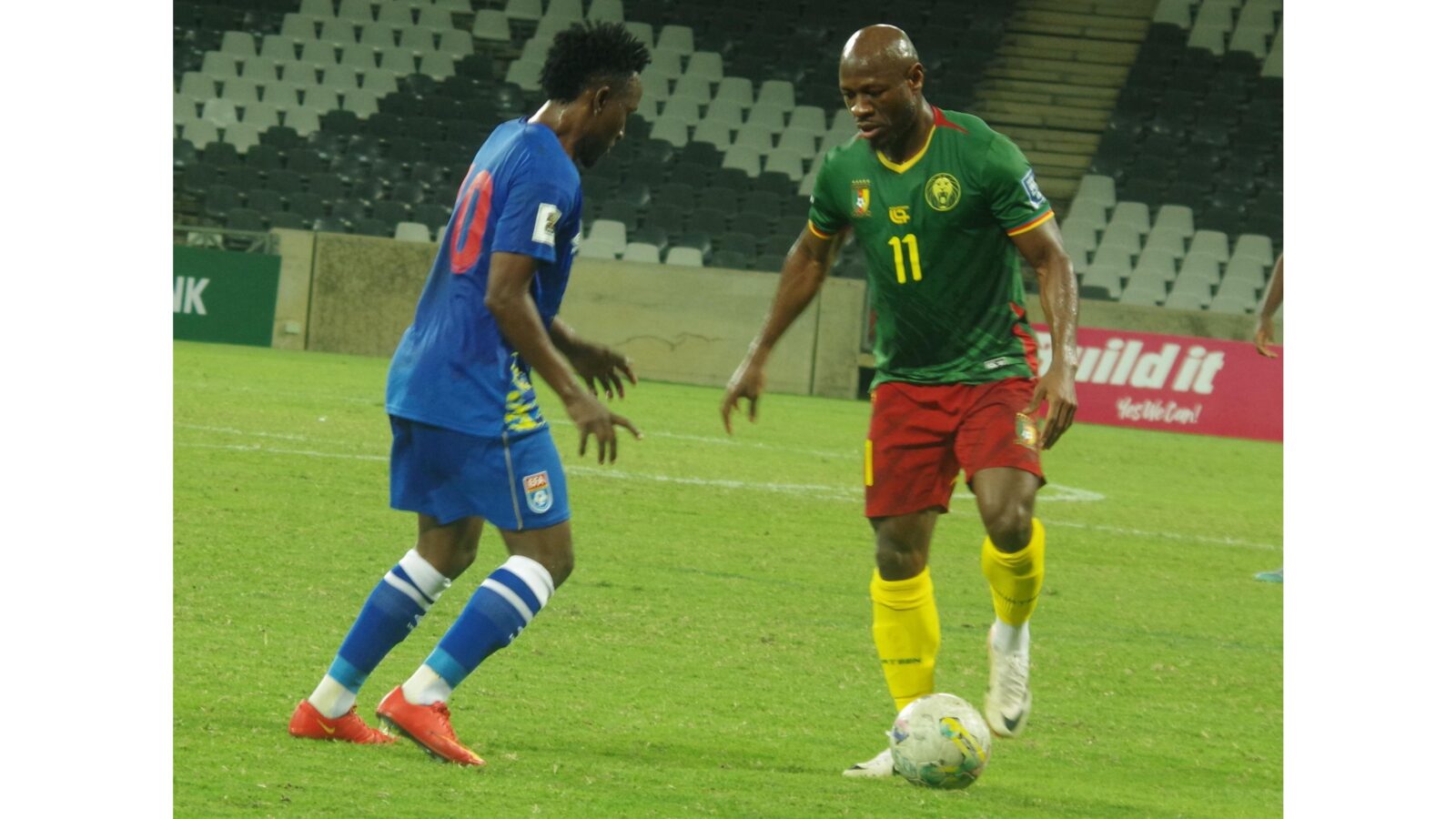
The Kingdom of Eswatini, a small but proud nation in southern Africa, has always relied on unity and resilience as the foundation of its national identity. In a rapidly globalising world, sport has emerged as one of the most powerful tools for shaping national pride, promoting social cohesion and providing economic opportunities for young people. Such that the constant losses of our national football team, Sihlangu, dampens our spirit as a nation. Sometimes, I wish the King would change its name to Sikhali semnikati; maybe the team would start attacking, as the spear (sikhali) attacks and the shield (Sikhali) is for defending. We continue to fall in the FIFA ratings.
For Eswatini, investing in sport is also a question of livelihood. At a time when youth unemployment remains one of the country’s biggest challenges, sport offers a career path that can rival traditional professions. A professional athlete, coach or sports entrepreneur can contribute as much to the economy and society as an accountant, lawyer or doctor. To unlock this potential, however, Eswatini must take bold steps and invest in facilities, talent development and international linkages. Sports can be a business opportunity for sport clubs wishing to nurture and train young talent to sell internationally.
The absence of a strong domestic sport market compounds the challenge. Without local sport clubs, leagues or sponsorships capable of supporting athletes financially, many give up on sports altogether; opting instead for more conventional career paths. I thank some of the white emaSwati who have started various sports clubs. Those who are determined often migrate to countries with better opportunities, leaving Eswatini without the heroes it needs to inspire patriotism and national pride. The country requires a structured national strategy, that goes beyond enthusiasm and builds sustainable systems of excellence.
Regional sport schools as centres of excellence
One of the most effective solutions is to create specialised sport schools in each of the four regions of the country – Hhohho, Manzini, Shiselweni and Lubombo. These schools would not be ordinary learning institutions, but dedicated centres of excellence combining education, training and talent nurturing.
If strategically located near major towns and cities, they would ensure access to infrastructure and greater exposure for pupils, while also drawing talent from surrounding rural areas.
Each of these schools could be modelled on the Mavuso Sports Centre in Manzini; offering a comprehensive range of facilities, including athletics tracks, indoor courts, football fields and an Olympic-sized swimming pool. Boarding facilities would allow students to live on campus and follow training programmes under professional supervision. Importantly, nutrition would form part of their development, with special diets designed to improve performance.
To motivate excellence, the most promising athletes would be awarded scholarships to live and study full-time at these schools. This special status would not only reward effort, but also create a sense of aspiration among younger children who would dream of one day being chosen. By integrating education with sports training, these schools would ensure that young athletes continue their academic development while pursuing their sporting careers.
Role of parents
Government cannot force sports if the pupils themselves realise the value of their talent and decide that they want to make it their career. The career guidance teams must ensure they make sports attractive and show that a lucrative career can materialise. Yes, parents, I must confess, are very reluctant to encourage their children towards sport. EmaSwati have for the longest time, treated sport as just fun and games, but the reality is that sport are now worth billions of Dollars.
There are many famous examples of parents who are interested in the sporting lives of their children and those children have become world-class professional players and very wealthy. These include Richard Williams, the father of tennis legends Serena and Venus Williams; who was instrumental in their tennis careers, creating a detailed plan for their success. Where are such parents today? Richard Williams was not a professional tennis player; in fact, he had to learn many of the skills he gave to his children. Tiger Woods was primarily taught to play golf by his father, Earl Woods; who introduced him to the game at a very young age and served as his first and most influential coach. These are just a few examples of the role parents can play. They do not necessarily have to be the coach, but support and encourage the children to the extent of allowing them to apply to the international sports academies. Government can only deal with sponsorship once the interest and talent are there.
International partnerships and scholarships
For Eswatini to compete internationally, it cannot rely solely on local infrastructure. Global partnerships are essential. The brightest athletes identified through regional and national competitions should be sent to international academies that specialise in nurturing world champions. The United States’ IMG Academy, for instance, has produced elite tennis players, track athletes and football stars. Jamaica’s MVP Track and Field Club is world-renowned for its success in sprinting, having trained Usain Bolt and other Olympic champions. The Aspire Academy in Qatar is a multidisciplinary hub that attracts talent from across the world.
By establishing formal agreements with such institutions, Eswatini would give its young athletes access to cutting-edge coaching, facilities and competition. These opportunities would be funded through a national sports scholarship board; ensuring that tuition, travel and upkeep are fully covered. In this way, athletes would remain connected to their country, competing under the Eswatini flag and serving as ambassadors of national pride.
Sport clubs as business opportunities
Sport are not only about personal achievement; they represent a significant economic opportunity. The example of Cape Verde is particularly instructive. Despite being a small island nation, Cape Verde has produced football stars who play in Europe’s major leagues, bringing millions of Dollars into the country through remittances, endorsements and investments. Their success has also boosted national pride, showing how even a small country can thrive in the global sports economy. Eswatini has the potential to replicate such success. With systematic sport investment that includes the private sector, the country could produce international football players, Olympic athletes, world-class boxers and tennis champions. Beyond athletes, the sport industry creates employment in coaching, physiotherapy, sports medicine, nutrition, event management, broadcasting and club administration. Private individuals could establish professional clubs and sport agencies, partnering with the State to recruit and market talent.
The financial rewards of producing a global champion are immense and would contribute to diversifying Eswatini’s economy. septembereswatini@gmail.com














Leave a comment