

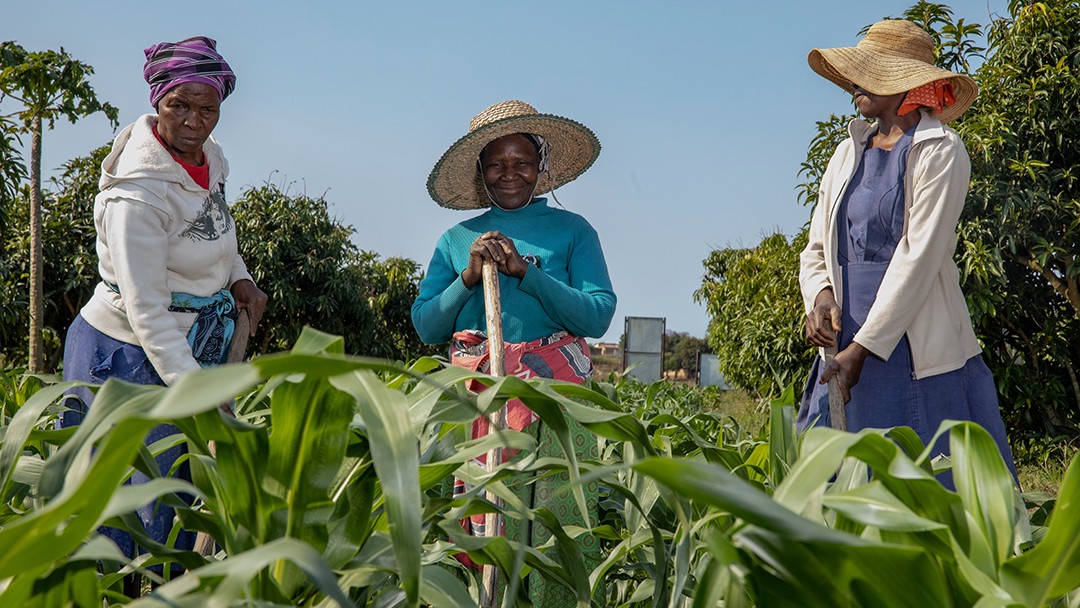
Eswatini’s signing of the Host Country Agreement with the Food and Agriculture Organisation (FAO) is a step in the right direction in tackling food insecurity and building a more resilient agricultural system. The agreement establishes an FAO country office in Eswatini, creating a direct link for technical assistance, policy advice and agricultural project coordination. This connection will provide farmers and institutions with access to expertise in areas such as climate-resilient farming, sustainable land management, nutrition and agricultural innovation.
The office will connect FAO’s global knowledge with Eswatini’s local needs, improving how agricultural programmes are designed and implemented. Agriculture remains central to Eswatini’s economy, supporting livelihoods for the majority of the population. The presence of FAO in the country is, therefore, expected to bring meaningful change – not only for policymakers and commercial farmers, but also for ordinary citizens whose daily lives are shaped by food availability and prices.
FAO has a long record of helping countries develop food systems that are both productive and sustainable. In Zambia, FAO has partnered with government to promote conservation farming and rainwater harvesting, enabling farmers to withstand prolonged droughts and increase harvests. In Lesotho, it has supported agricultural diversification and nutrition-focused farming, improving food access and household income in rural areas. These examples show that when FAO works closely within a country, measurable progress follows.
The kingdom faces deep-seated challenges in agriculture – including low productivity, dependency on rain-fed crops and vulnerability to droughts. Many rural households still struggle to produce enough food throughout the year, while rising food prices in urban areas have worsened inequality and social tension. When families go hungry or cannot afford basic food, frustration grows and trust in institutions weakens. In recent years, this has contributed to division within communities, as people compete for limited resources and turn to political leaders for urgent answers.
By hosting an FAO office, Eswatini gains practical tools to address these pressures. Farmers will have access to training and modern farming methods that improve yields, reduce losses and adapt production to changing weather patterns. For the man on the street, this means more stable food prices, greater access to nutritious products and fewer shortages. It also means that markets will function better and local produce will become more affordable and reliable. A ray of light even in the face of the recently announced bread price hike.
The FAO office will also contribute to rural development by improving market access, post-harvest handling and value addition. These developments will help farmers earn more from their crops, which in turn stimulates local economies. When small farmers thrive, transporters, vendors and other informal workers benefit as well, creating a ripple effect that reaches ordinary citizens in both towns and villages.
Beyond food production, this partnership will promote better nutrition and awareness of healthy diets, tackling malnutrition that remains common among children and the elderly. It will also link food production to health outcomes, ensuring that agricultural progress translates into improved well-being. With FAO’s guidance, Eswatini will be able to modernise its agricultural policies, ensuring they are inclusive and based on current data.
This agreement also strengthens Eswatini’s position on the global stage. Hosting an FAO office places the country within an international network of nations working towards sustainable agriculture under United Nations frameworks. It shows that Eswatini is ready to engage directly with global partners and attract investment in agricultural transformation. Such visibility may draw further technical and financial support from development partners, positioning the kingdom as a serious participant in regional and global food security dialogues.
FAO’s collaboration will support Eswatini in introducing data-driven agricultural systems, such as early warning mechanisms and digital monitoring tools. These will make it easier to plan for droughts, track production and prevent crises before they occur. The ability to predict and manage risks will protect farmers’ livelihoods and stabilise local markets.
In a country where many people live hand to mouth, food insecurity is not just an economic challenge – it is a social issue that touches every household. When families cannot feed themselves, poverty deepens, children leave school and communities fragment. The establishment of an FAO office offers an opportunity to change this narrative by building a food system that serves everyone, not just those with resources.
For the ordinary man and woman in Eswatini, this partnership matters because it connects global expertise to their daily struggles. It promises better harvests for farmers, affordable prices for consumers and a future where hunger no longer fuels division or despair. It also places Eswatini in a stronger position internationally – not as a recipient of aid, but as a nation taking deliberate steps to manage its food security and contribute to global agricultural progress.
Through this collaboration, Eswatini can begin to translate international cooperation into everyday benefits: more food on household tables, greater stability in markets and renewed confidence among citizens that progress is both possible and shared.

















Leave a comment