

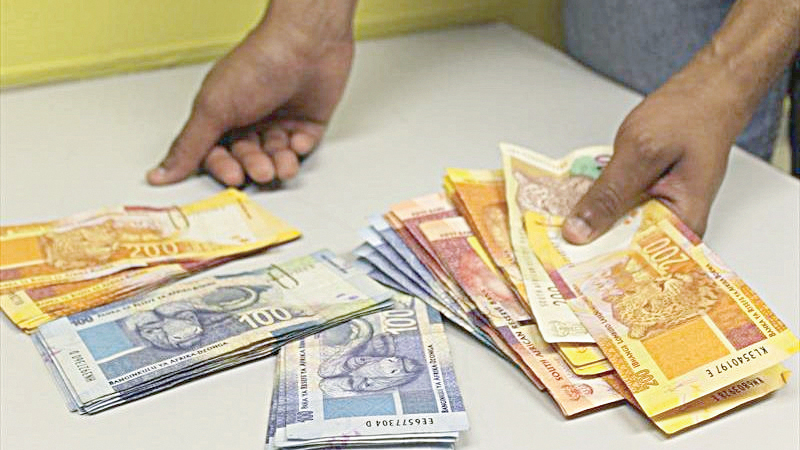
MBABANE – The Central Bank of Eswatini (CBE) is demanding E4.5 million from two women, including a civil servant, for allegedly conducting unauthorised banking.
The total amount demanded by CBE from the two women is E4 570 833.22 in respect of penalties.
These cases form part of the CBE’s ongoing crackdown on illegal money-handling activities, particularly unlicensed stokvel operations that tend to increase with the festive season.
A stokvel is a type of informal savings and investment group where members contribute money regularly to a shared pool or fund.
In one of the cases, Dolorosa Shabangu, a civil servant, is being sued E1 983 333.22 for allegedly operating an unauthorised banking scheme.
In another, Zandile Nhleko of Mbabane faces a claim of E2 587 500, also in respect of penalties for allegedly engaging in unlicensed banking activities.
The CBE has previously warned the public against participating in informal savings schemes known as stokvels. According to the regulator, these schemes are illegal and pose serious financial risks.
Over the years, numerous stokvel members have lost their savings to fraudulent organisers who mismanage or abscond with funds.
Under the Financial Institutions Act, 2005, it is illegal for any person or group to accept deposits or manage public funds without a valid licence issued by the CBE.
Only registered banks and licensed financial institutions are legally authorised to conduct deposit-taking activities in the country.
Unauthorised banking, as defined by the Central Bank of Eswatini, involves operating a financial institution or conducting banking business without the necessary licence from the Central Bank. This applies to both local and foreign financial institutions. The Financial Institutions Act of 2005 explicitly states that no business can be transacted by a financial institution in Eswatini or abroad without a licence. A person who violates this provision is liable to a fine of at least E100 000, plus an additional fine of E25 000 for each day the contravention continues.
Unauthorised banking includes:
- Operating a financial institution without a license: This covers banks, credit unions, and other financial institutions offering banking services.
- Conducting banking business without authorisation: This refers to activities such as accepting deposits, extending credit and making payments without the required license.
- The consequences of unauthorised banking can include significant fines, legal action by the CBE and reputational damage.
*Full article available in our publication














Leave a comment