

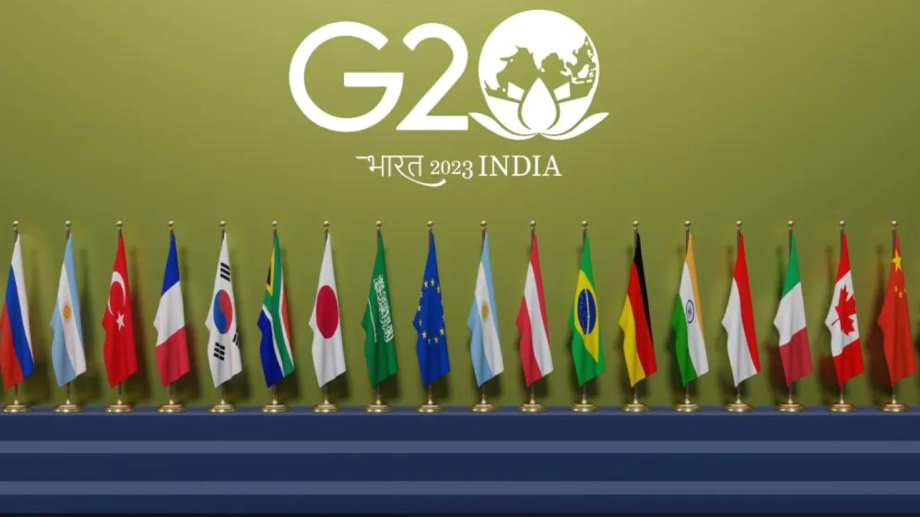
As world leaders descend on Johannesburg for the G20 summit this November, the pomp and protocol mask is a sharper test: Can the forum, whose basis has traditionally been macroeconomics and global finance, be nudged into practical solidarity with Southern Africa’s deep, everyday crises?
South Africa will host the G20 leaders’ summit on November 22 -23, 2025, marking the first time the summit is held on African soil.
The timing is no accident. South Africa’s presidency has made inequality and debt relief central themes — even commissioning a task force led by Nobel laureate Joseph Stiglitz to examine global wealth disparities. That is welcome, but inequality is rarely an abstract ledger entry in Southern Africa, it translates into jobs not created, clinics under-resourced and women and children left dangerously exposed.
Consider the headline crisis: Gender-based violence. In South Africa, femicide rates have stubbornly remained among the highest in the region, a reality that has given rise to civil society outrage and direct action.
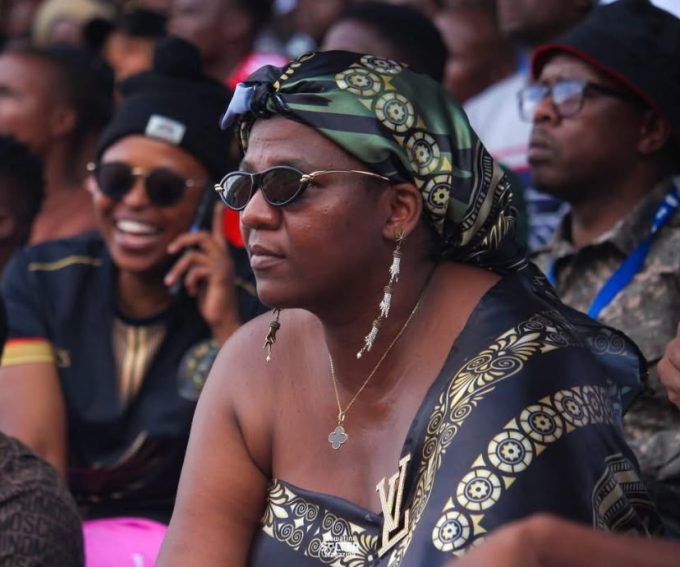
Activist group Women For Change has announced a nationwide ‘Women’s Shutdown’ for November 21, the day before the G20 — to demand justice for women and children killed and to insist that leaders notice what happens beyond summit halls.
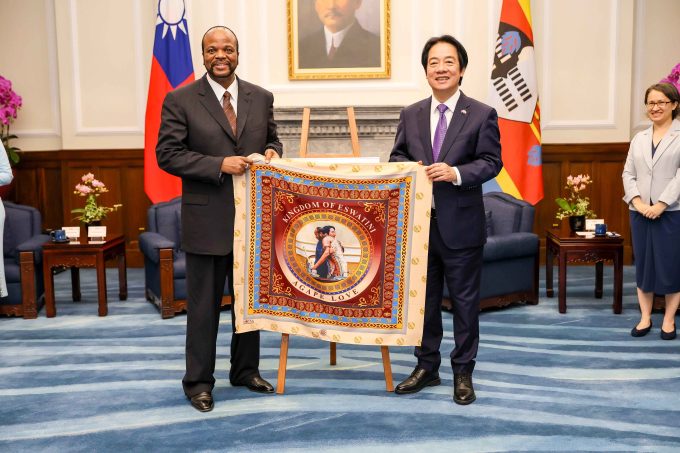
Eswatini and other neighbouring countries face their own versions of the same crisis. Local news reports show that a large proportion of emaSwati women experience sexual violence before adulthood and that nearly half, report some form of sexual violence in their lifetime, figures that should disqualify complacency from any regional agenda. These are not moral panics; they are measurable wounds that corrode economies and futures.
The G20’s core strength is leverage: The group controls finance, aid, trade and debt architecture in ways smaller States cannot. That same leverage can be wielded to demand concrete steps from African leaders and partners: Targeted funding for survivor services, conditional support tied to rule-of-law reforms around gender crimes and accelerated financing for youth employment schemes that actually reach small towns and rural areas.
If the G20 limits itself to a lecture on inequality without binding commitments, Southern African citizens will rightly ask what changed.
Unemployment is the second fire that needs dousing. Southern Africa’s youth unemployment rates eclipse global averages; underinvestment in skills, the shrinking formal sector and weak private investment are part of the story. International finance ministers in the G20 can promote scalable guarantees and incentives that lower the risk of hiring youth in fragile economies and support programmes that link vocational training directly to industry partners.
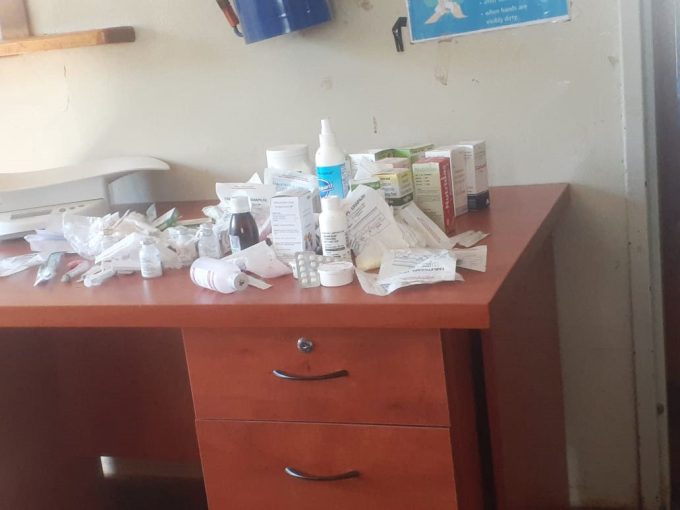
Corruption, too, is not merely a governance buzzword; it is a growth tax. Corrupt procurement and opaque revenue flows take money away from the Health ministries, education initiatives including schools and government departments that should protect victims. The G20 can promote transparency standards, support regional asset-recovery mechanisms and incentivise donor coordination to make anti-corruption measures more than photo opportunities.
There is precedent for summits reshaping agendas when civil pressure is loud enough. The presence of the Women For Change action will spotlight that leaders cannot insulate themselves from the demands of citizens. When streets speak, summit communiqués must listen, not with platitudes but with measurable, time-bound commitments.
This is not to ask the G20 to become a global police force. It is to ask a powerful club of economies to use its tools where they matter: Conditional financing, technical assistance, catalytic guarantees and diplomatic pressure. For South Africa, hosting the summit presents the chance to place African problems at the heart of deliberations; for the G20, it is a test of whether the group can convert rhetoric on inequality into policies that reduce the risk of violence, expand livelihoods and restore trust.
If leaders arrive in Johannesburg with speeches about solidarity without a plan, civil society’s verdict will be swift.
The Women’s Shutdown and other actions are not simply protest; they demand that the world’s most powerful economies treat the suffering of Southern Africa’s people as urgent, fundable and negotiable. The G20 must listen and act. Failing that, leaders will have to answer to historians, mothers, pupils, nurses and unemployed graduates across the region — people who will judge summits by outcomes, not by rhetoric.













Leave a comment