


MBABANE – Business Eswatini (BE) has reaffirmed its central role in shaping the country’s economic trajectory.
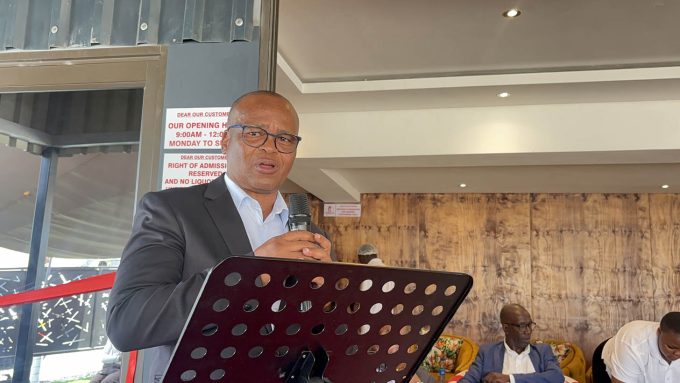
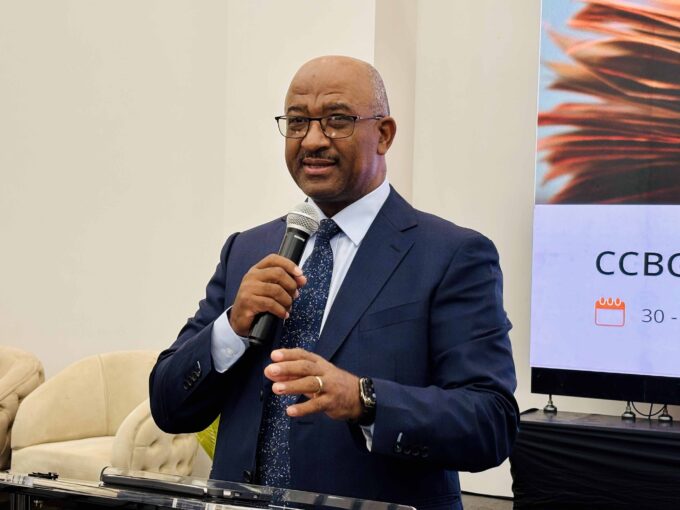
This follows a compelling presentation delivered by its Chief Executive Officer (CEO) Nathi Dlamini, during the Parliamentarians’ Retreat held at Sibebe Resort last Wednesday.
Speaking under the theme ‘The Role of Parliamentarians in Promoting Economic Growth’, Dlamini said lawmakers must see themselves not simply as overseers of government machinery, but as the architects of Eswatini’s economic future.
The policy positions they adopt and the laws they pass, he emphasised, have the power to either propel the country towards shared prosperity or slow progress.
The BE CEO presented a strategic legislative agenda anchored on four critical pillars essential to unlocking competitiveness and job creation: The Immigration Bill, the Employment Bill, Local and Foreign Direct Investment promotion, and strategic investment in technology and skills development.
The session was characterised by robust engagement, with parliamentarians actively questioning, debating and exploring alternative policy approaches.
Discussions broadened into the future of work and the implications of artificial intelligence for youth employability – signalling willingness among MPs to consider forward-looking economic strategies.
The Speaker of Parliament, Jabulani Mabuza, applauded BE for its constructive input and affirmed the importance of continuous public-private collaboration. He encouraged the organisation to remain available for consultation as laws are brought before the House.
… Bill under scrutiny
MBABANE – A substantial portion of the dialogue focused on the Employment Bill No. 12 of 2024.
While commending the Bill’s effort to modernise labour regulation, Business Eswatini CEO Nathi Dlamini cautioned against Section 129, which seeks to prohibit triangular employment relationships entirely.
He described the clause as ‘economically destructive’ and warned that an outright ban would have severe ripple effects across the economy.
According to BE’s Impact Analysis Report 2025:
- Over 20 000 jobs – both direct and indirect – would be placed at immediate risk.
- Businesses could face severance liabilities exceeding E250 million, a burden that would disproportionately impact MSMEs.
- Key sectors such as security, forestry and agriculture would suffer major operational disruptions.
Dlamini urged legislators to advocate instead for the regulation of triangular employment, rather than prohibition, in line with International Labour Organisation (ILO) standards and peer SADC economies, including South Africa and Namibia.
“Your role as parliamentarians is to safeguard the economy from foreseeable and quantifiable harm,” he said.
BE CEO also highlighted the alignment between the Draft Trade and Investment Promotion Bill and the Immigration Bill, saying the two instruments should work in tandem to attract investors and promote economic expansion.
He explained that a modernised immigration framework could support investment by:
- Clarifying work and investor visa pathways,
- Introducing visa quotas linked to investment and job creation,
- Aligning foreign skills entry with critical labour gaps.
Dlamini further encouraged legislators to embed Environmental, Social and Governance (ESG) standards in legislation to ensure Eswatini remains globally competitive, particularly as export markets increasingly demand sustainability compliance.
Dlamini reminded parliamentarians that economic growth is never accidental but the result of deliberate policy decisions and collaborative leadership.
“The private sector stands ready to work with you to create a pro-growth environment that encourages entrepreneurship, innovation and investment,” he said.
“Let us continue to shape Eswatini’s economic destiny with foresight, integrity and collective purpose.”


















Leave a comment