

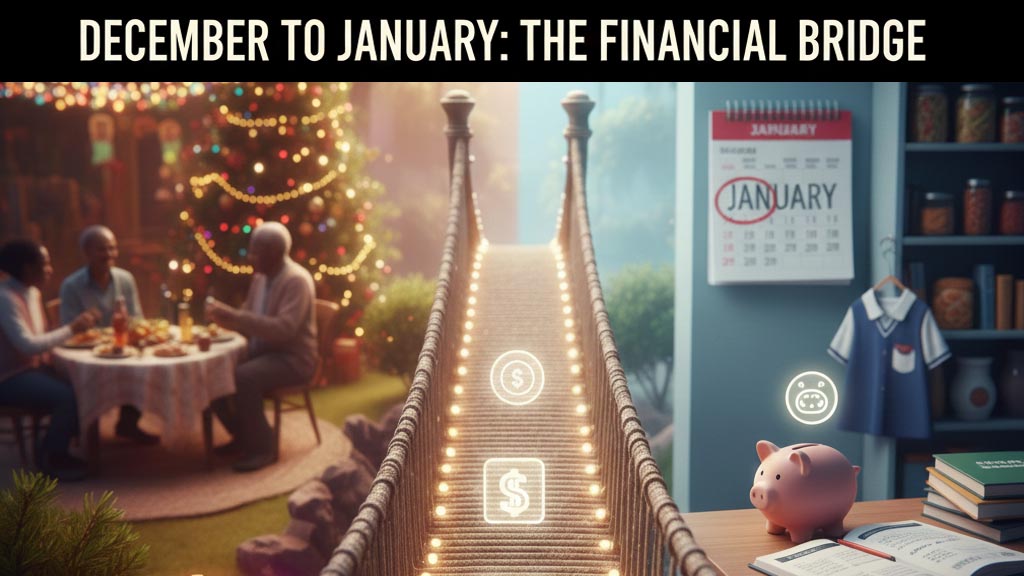
December has long been dubbed ‘the month with 31 Saturdays,’ while January is infamously known as, ‘the month with 60 days.’ These metaphors, though humorous, reflect a sobering reality: The festive season often tempts us into overspending, leaving many households financially strained as the new year begins. By the time January arrives, what some call inyanga yelikhabishi (the cabbage month), many are left with little more than regret and empty wallets.
As we approach the final days of November, I write this with the hope that it is not too late to challenge this narrative. It is entirely possible to enjoy the festive season and still usher in a financially stable January. The key lies in one word: Planning.
Plan with purpose
The income we receive in December, whether it’s a salary, a 13th cheque, a stokvel payout or a festive bonus, is not just for December. It must carry us through to the next payday in January. This transition can be seamless, but only if we are deliberate about how we allocate our resources.
A sound festive budget should include all essential expenses: Rent, utilities, food, school fees and yes, entertainment. It’s important to remember that most schools reopen before the January payday and landlords still expect rent on the first day of the month. These are not January problems, but they are December responsibilities.
Start by securing your basics. Pay January rent in December. Settle your water and electricity bills. Stock up on food that will last into the new year. These are non-negotiables. Once your essentials are covered, then and only then should you consider how much you can afford to spend on leisure.
Entertainment within means
After a long and demanding year, it’s natural to want to unwind and celebrate. However, let’s not confuse celebration with excess. If you haven’t saved for a holiday trip, you probably can’t afford one and that’s not failure, it’s financial honesty. The festive season doesn’t need extravagance to be meaningful. In fact, the most memorable moments often come from shared experiences and simple joys.
There are countless ways to enjoy the holidays without breaking the bank. December is Incwala and Lusekwane season, rich in cultural meaning. There’s also a range of free or low-cost activities such as church concerts, local football tournaments and community events that offer vibrant entertainment and a chance to reconnect with neighbours and family. A picnic at Mantenga Nature Reserve, Sibebe Rock or along the Lusushwana River can be refreshing and affordable. Families can host braais at home, with everyone contributing a dish or drink, turning a simple meal into a celebration.
In urban areas like Mbabane or Manzini, a stroll through festive lights, a visit to the market or a movie night at home with homemade popcorn can be just as fulfilling as a pricey night out. Children can enjoy backyard games, storytelling or crafting decorations from recycled materials activities that cost little but spark creativity and joy.
The key is to be intentional and plan your fun as you plan your finances. Overspending in December often leads to borrowing in January and this cycle of debt and distress is avoidable. Let’s normalise budgeting not just for bills, but also for joy rooted in connection, not consumption. By embracing affordable pleasures and resisting pressure to overspend, we can reclaim the festive season as a time of rest, reflection and responsible celebration.
We need a cultural shift to one that celebrates financial prudence as much as festive cheer. Let’s teach our children that planning isn’t punishment, but a path to freedom. Let’s model a December that is joyful, generous and judicious.
Bonuses and stokvel payouts
To make this vision a reality, we must be intentional with the windfalls that often come our way in December, particularly the 13th cheque and stokvel payouts. These are not mere bonuses for indulgence; they are strategic resources that can anchor our financial stability into the new year. The first step is to treat these funds as part of a broader two-month budget, not as isolated festive spending. Begin by securing your essentials: Pay January’s rent in December, settle your water and electricity bills and ensure your household has enough food to last through the first few weeks of the new year. School fees, uniforms and transport costs must also be factored in, especially since schools often reopen before the January payday. Once these critical needs are covered, allocate a portion for savings or emergencies because financial resilience is built not just on income, but on foresight. Only then should you consider what can be spared for leisure. If festive joy is the goal, let it be rooted in peace of mind, not post-holiday panic. With discipline and a clear plan, we can transform December from a month of reckless spending into one of responsible celebration and greet January not with dread, but with dignity, preparedness and pride.
As a parting shot, I must impress the need to start saving for the next festive season and 2027 school fees immediately.



















Leave a comment