

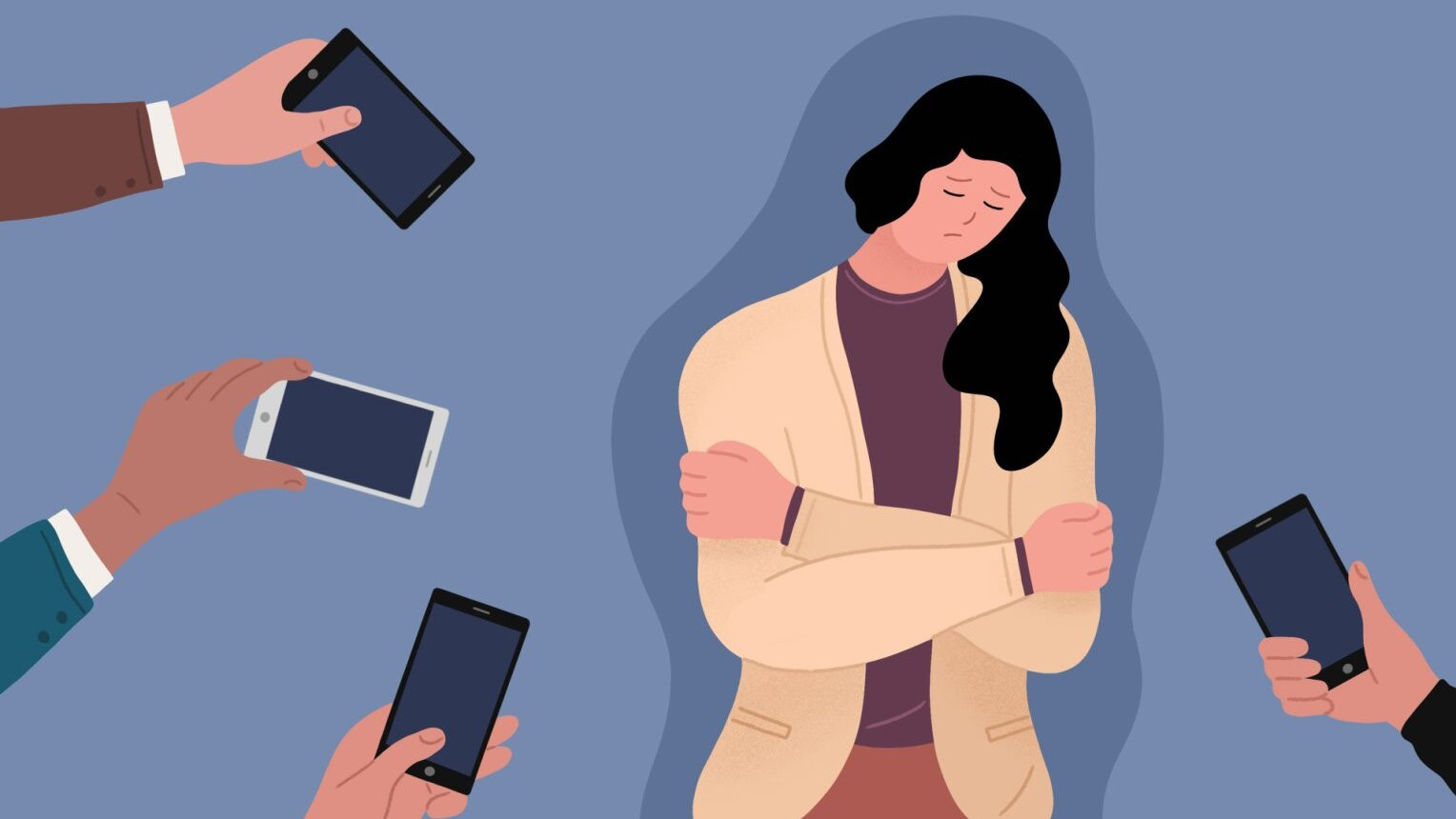
It is hard to imagine a world where fear settles in the very spaces meant to comfort and uplift us. In places where each step feels like walking on eggshells. Yet even more haunting is how, in this digital age, shadows of abuse have slipped into our mobile phone screens, reaching women and girls with new, unseen forms of harm.
However, here we are, and it is a reality. Men too have been cast under the cruel theme of ‘let’s make him trend.’ Where are the safe spaces now? Who should ensure that environments, including digital violence, remain safe? All these thoughts come to my mind as I ponder on this year’s theme of the 16 Days of Activism Against Gender-Based Violence. The theme is: “UNiTE to End Digital Violence against All Women and Girls”.
Digital violence is the use of technology, such as phones, social media, messaging apps, or online platforms, to harass, threaten, control, shame, or exploit someone, especially women and girls. Digital violence is dangerous because it can happen anytime, anywhere, even when the target is physically alone. It also spreads quickly, reaches a wide audience and can cause deep emotional, psychological, social and sometimes even physical harm.
November 25 to December 10, 2025, mark the 16 Days of Activism to End Gender-Based Violence. Each year, for over a decade, I have shared my voice against GBV on this feature, denouncing the despicable acts of cowardice and senseless attacks on girls and women. This year is no exception. It is shocking to note that violence against women and girls affects one in three women globally. It is a global human rights emergency that must stop.
Unpacking the theme, the United Nations Women website notes that online and digital spaces should empower women and girls. “Yet every day, for millions of women and girls, the digital world has become a minefield of harassment, abuse and control.
These acts don’t just happen online. They often lead to offline violence in real life, such as coercion, physical abuse and even femicide, killing of women and girls. The harm can be long-lasting and affect survivors over a prolonged period of time,” it reads.
Digital violence targets women more than men, across all walks of life, but especially those with public or online visibility such as activists, journalists, women in politics, human rights defenders and young women. But men are also attacked.
The impact is even worse for women facing intersecting forms of discrimination, including race, disability, gender identity, or sexual orientation.
As someone with a public and online visibility, I can attest that indeed that presence makes you vulnerable to digital attacks. When someone wants to attack you, they call you a public figure, when you need something from them, they say you do not have enough of character to get attention. Eswatini men too have been victims of many online forums allegedly led by women and digital violence has truly gripped Eswatini. I woke up one day to a post by a lady saying: “There is no man who won’t trend this year.” Trending is posting someone and writing defamatory or insulting things about their character. The only thing comforting is that at least we have the Computer Crime and Cybercrime Act, 2022 that these people accountable. The 16 Days of Activism Against Gender-Based Violence return this year with a renewed urgency, reminding us that Eswatini cannot afford to treat GBV as a problem for a select few to solve.
It is a national crisis that touches homes, workplaces, digital spaces and communities across the country. One of the themes for the overall GBV fight is Sisonkhe against GBV. Meaning, together against GBV. Every year, these 16 days provide a focused period of reflection and action, yet the truth is that the fight is daily, continuous and deeply personal for countless women, girls, men, and boys whose lives have been altered by violence. This year’s theme, with its emphasis on ending violence in all forms, including digital abuse, challenges us to expand our understanding of what gender-based violence looks like in a modern society.
One of the most powerful lessons from previous years is that change is possible when society moves in the same direction. Eswatini has witnessed incredible leadership from development partners who have consistently stood with the nation. The European Union, UNFPA, UN Women and other organisations have also not only provided resources, but have kept the issue of GBV on the national agenda with unwavering clarity. They have partnered with government, civil society and traditional structures, investing in safe spaces, capacity building, policy reform and community empowerment.
Their work has helped survivors find their voices again and has pushed institutions to take accountability seriously. Their consistency has shown that when advocacy is backed by long-term commitment, lives can be transformed.
Equally inspiring is the rising wave of local actors joining the fight. Municipalities, such as Ezulwini, have taken bold steps to mainstream GBV awareness into community programmes, using their platforms to advocate for safety and dignity for all residents. It is encouraging to see local government treating GBV not as a social issue in the margins, but as a developmental concern that affects economic progress, community cohesion and individual well-being. When local authorities embrace this mindset, they set powerful examples for other towns and cities.
The media in Eswatini has also strengthened its role as a critical partner in the movement. Recently, the EU and UNFPA meet with the media, where they reaffirmed their commitment against GBV. Through investigative reporting, community radio discussions, bold commentary and survivor-centred storytelling, the media has illuminated realities that might otherwise remain hidden within households and institutions. By giving voice to those affected, and by holding power structures accountable, the media has become a bridge between awareness and action. Their engagement reminds us that information is not neutral; it can protect, empower, and shift harmful norms when used responsibly.
Everyone’s participation matters because GBV thrives in silence, in excuses and in cultures that normalise humiliation or control.
It matters because no law, no policy, no programme can succeed without citizens willing to challenge harmful norms in their homes, workplaces and social spaces. It matters because survivors need a society that believes them, supports them, and refuses to re-traumatise them. And it matters because the burden of dismantling violence cannot fall solely on the shoulders of government or NGOs; it is a shared responsibility that requires men to stand up, women to be heard, boys to be taught differently and communities to refuse complacency.
As we mark this year’s 16 Days of Activism, Eswatini has an opportunity to recommit itself to building a country where violence is neither justified nor tolerated, whether offline or online. Let us also commit not to infringe on someone online and not be perpetrators of digital violence. Let us call out digital violence when we see it and also report it as the community guidelines of social media allow that. After all, sisonkhe against GBV.


















Leave a comment