


MBABANE – Eswatini’s fuel security remains under serious strain as only 3 out of 13 licensed petroleum wholesalers currently operate functional fuel storage facilities.
Through the latest Annual Petroleum Compliance Report 2024/25, the Eswatini Energy Regulatory Authority (ESERA) warns that this severe infrastructure deficit is one of the primary causes of recurring security-of-supply risks, leaving the national economy vulnerable to external disruptions and logistical delays.
The report, covering the period April 1, 2024 to March 31, 2025, notes that while several wholesalers are in the process of developing their own storage depots, others anticipate utilising the upcoming Phuzumoya Strategic Fuel Reserve facility, a national project expected to significantly bolster the country’s fuel resilience once completed.
Until then, Eswatini remains heavily dependent on a handful of operators for stockholding, resulting in chronically low compliance levels with the statutory requirement to maintain at least 14 days’ worth of commercial stock.
This comprehensive assessment, presented by ESERA, unpacks technical compliance across the value chain, including wholesale, retail, commercial consumer sites and LPG operations – while also examining fuel quality trends, environmental incidents and the development of new national standards to improve regulation.
The Petroleum Act of 2020 requires every wholesaler to hold a minimum of 14 days of commercial fuel stocks within the country. Yet during the reporting period, Eswatini achieved a mere 9 to10 per cent compliance rate, a dangerously low level for a landlocked economy where fuel shortages have ripple effects across transport, industry, agriculture, and commerce.
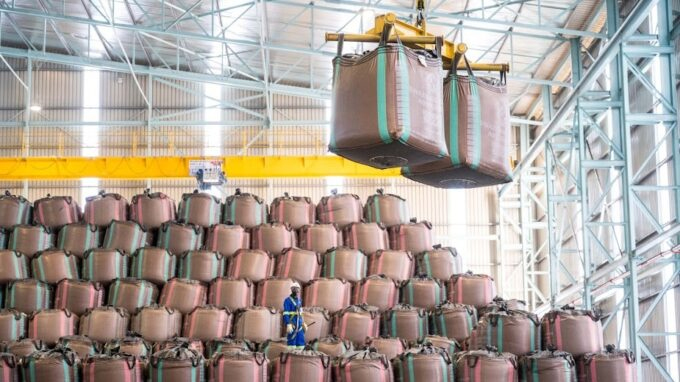
The country’s three operators with storage capacity – Galp Eswatini (1.795 million litres), Engen Eswatini (910 000 litres), and Puma Energy Eswatini (671 220 litres) – collectively provide a total national storage capacity of 3.69 million litres.
However, even this installed capacity is poorly utilised. ESERA reports storage utilisation rates oscillating between 35 and 38 per cent, meaning substantial portions of existing tanks remain empty.
While strategic stockholding is legally mandated to ensure national energy security, the report shows that actual commercial stocks averaged only 1 to 2 days in the past year. ESERA attributes this trend to limited infrastructure, underutilisation of existing depots, and the absence of operational storage facilities among the majority of licensed wholesalers.
*…
Fuel quality improves, with 100 % compliance in Q4
MBABANE – Fuel quality remained largely stable, with laboratory testing of 628 samples showing a 96 per cent overall compliance rate with national standards SZNS 016:2012 (petrol) and SZNS 017:2012 (diesel).
Quarterly performance revealed marked improvement:
- Q1: 94 per cent
- Q2: 92 per cent
- Q3: 97 per cent
- Q4: 100 per cent
The most common issue detected earlier in the year was diesel that failed flash-point requirements – posing potential safety risks. All affected sites were ordered to drain contaminated fuel before resuming sales.
Inspections at border entry points in August, January and March found 100 per cent compliance, indicating improved quality control among importers.
ESERA also monitors free-water contamination in storage tanks – a key cause of engine damage and fuel degradation. Compliance dropped from 96 per cent in the first half of the year to 93 per cent in the latter months, largely due to summer humidity and condensation.
Four retail sites were found with free water in tanks, but all rectified the issue following reinspection. Fuel depots maintained a perfect 100 per cent compliance rate.
*Full article available in our publication




















Leave a comment