

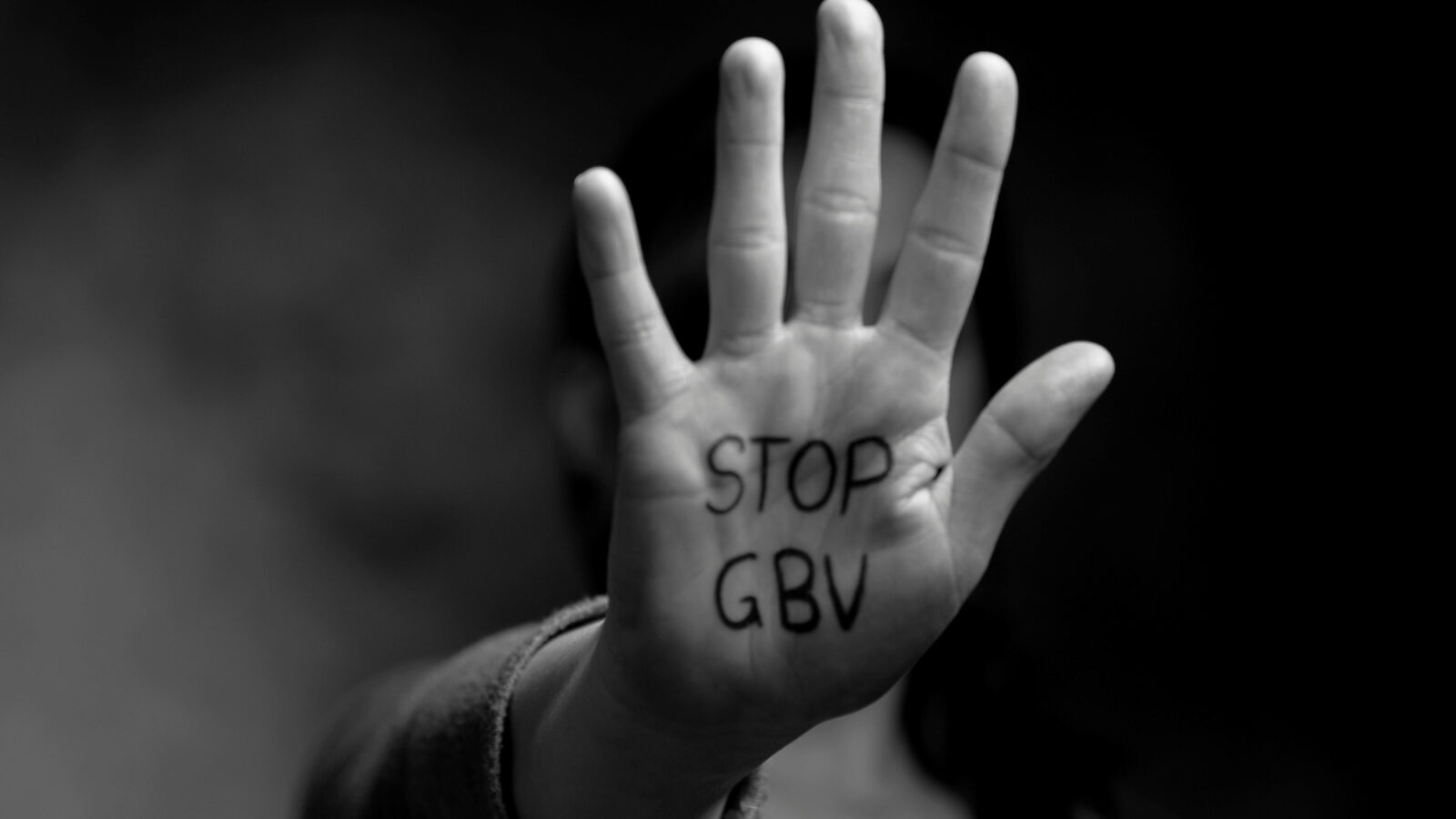
I was reading about the court’s decision to dismiss a claim that Eswatini Law allows intercourse with minors. I was shocked that someone who has children would even perch their mouth to utter those words. In many African societies, tradition is the heartbeat of community life.
It shapes identity, guides behaviour and provides a sense of belonging that stretches back generations. Yet, within these same traditional structures lies a difficult and often painful contradiction: While culture can unify and uplift, it can also entrench silence, justify harm and fuel gender-based violence (GBV). For many African women, navigating these structures, while fighting for safety, dignity and autonomy is a daily battle, one waged not only in homes and communities but within belief systems themselves.
The challenge begins with how deeply traditional norms govern gender roles. In many settings, a ‘good woman’ is still defined through obedience, endurance and self-sacrifice. Marriage is exalted as the ultimate marker of womanhood and with that comes an expectation to keep the family together at all costs. When violence occurs, women are often told to, ‘persevere,’ to ‘pray about it’ or to consider how leaving will bring shame to their families. This cultural script profoundly shapes how women interpret violence – not as a violation, but as an unfortunate part of marriage that must be endured.
At the same time, the authority of traditional leaders, chiefs, elders, family heads remains central. In many rural areas, they are the primary arbiters of dispute resolution. Yet, their decisions are often rooted in customs that prioritise family unity over individual safety. A woman reporting abuse may find the issue redirected to negotiation, reconciliation or payment of fines.
These processes rarely centre her protection; instead, they seek to restore harmony, usually at her expense. When a violent partner merely pays a cow or performs a ritual apology, the message becomes painfully clear: Her suffering is secondary to maintaining traditional order.
Cultural beliefs about masculinity add another layer of difficulty. Patriarchal norms teach boys from a young age that they are leaders, decision-makers and owners of authority. Manhood becomes tied to dominance; over women, over households, over emotions. Many men feel entitled to women’s bodies, time and labour, and any challenge to this entitlement is seen as disrespect.
In environments where masculinity is policed ruthlessly, violence becomes a tool for asserting control. Domestic violence is then rationalised as ‘discipline’, a private matter’, rather than a crime.
Religion, intertwined with tradition, can deepen these dynamics. Misinterpreted scripture often reinforces male headship and female submission. Women are encouraged to forgive endlessly, to pray harder, to fast for their marriages.
Meanwhile, the spiritual language of suffering; ‘every marriage has challenges,’ ‘God hates divorce,’ ‘stay for the children,’; places the emotional and physical burden solely on women’s shoulders. Religious leaders, much like traditional authorities, may urge reconciliation over safety, inadvertently protecting abusers.
What makes navigating these structures especially painful is the weight of community judgment. A woman who leaves an abusive marriage may be labelled disrespectful, stubborn or ‘too modern.’ Her family may reject her, community members may whisper and even other women, socialised into the same belief system, may shame her. The cost of escaping violence becomes unbearably high, pushing many women to stay in dangerous situations. Silence, therefore, becomes a survival strategy.
Yet, even as culture can fuel GBV, it also holds the potential to dismantle it. Across the continent, progressive chiefs, faith leaders and community elders are beginning to reinterpret tradition in ways that honour dignity and protect women. Some have introduced bylaws against child marriage, harmful widowhood practices and domestic abuse. Others use their authority to speak boldly against violence, shifting community attitudes in ways formal laws alone cannot achieve.
Still, change remains uneven and fragile. GBV persists partly because of the tension between modern human rights frameworks and traditional norms that resist transformation.
Many African countries have strong legal protections for women, but the law often loses its power when it reaches the village gate. If traditional leaders do not support its enforcement, or if communities believe cultural norms supersede State authority, women remain unprotected.
The path forward requires both courage and cultural intelligence. It means challenging harmful traditions without dismissing the value of cultural identity. It means empowering women to speak out, while equipping men to redefine masculinity in healthier, compassionate ways. It means engaging elders, chiefs, healers and faith leaders.
Ultimately, the fight against GBV in Africa is not just a legal struggle; it is a cultural one. Until communities confront the ways tradition has been distorted to excuse violence, women will continue to shoulder the burden of silence.
The work ahead demands bravery, compassion and an unwavering commitment to reimagining culture as a source of protection rather than pain. Only then can tradition truly serve its purpose: To uphold life, dignity and the safety of all.

















Leave a comment