

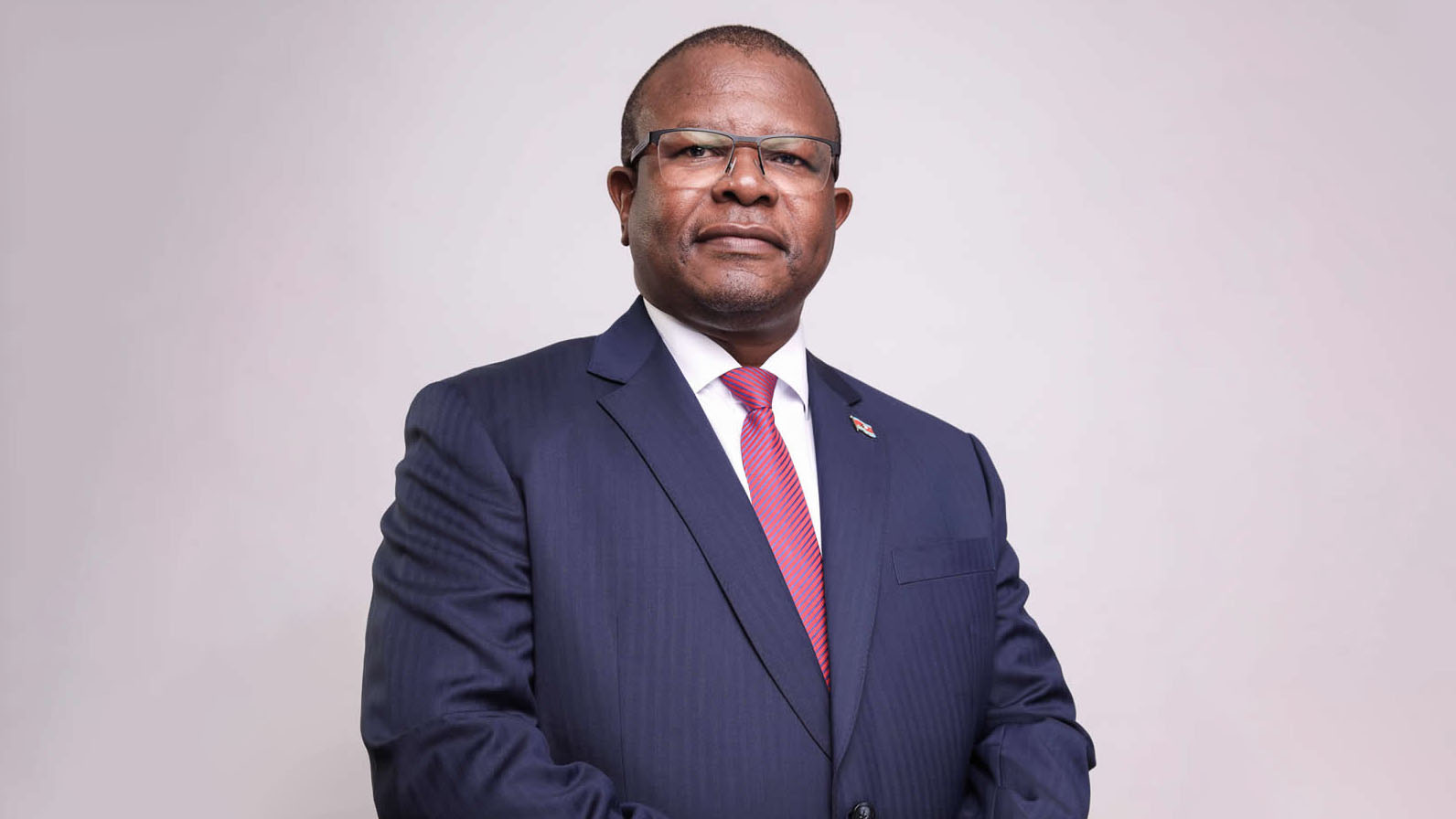
MBABANE – As the country approaches the 2026 economic year, government says it remains firmly focused on positioning the country as a competitive, reliable and attractive destination for FDI.
The foreign direct investment (FDI) is anchored on policy certainty, industrial expansion and private sector-led growth.
According to Minister for Commerce, Industry and Trade Manqoba Khumalo, Eswatini’s investment drive is guided by the National Development Plan (2023–2028) and the Government Programme of Action (2024–2029), themed ‘Igniting Wealth and Well-being for the Nation’.
These frameworks advance His Majesty King Mswati III’s ‘nkwe’ mandate and place emphasis on job creation, human capital development, improved service delivery and long-term economic transformation.
The minister said government’s strategy for 2026 is underpinned by a deliberate focus on strengthening the investment climate through reforms, infrastructure development and targeted sector prioritisation, as the country advances towards developed nation status.
Policy and reform framework supporting investment
The FDI agenda is supported by a suite of policy and legislative reforms aimed at improving ease of doing business, investor confidence and private sector participation. These include the Industrial Policy (2023–2033), the micro, small and medium enterprises (MSME) Policy (2025–2030), the New Investment Policy, the Draft Trade and Investment Promotion Bill and the revised Special Economic Zones (SEZ) Act.
In addition, mechanisms such as the Business One Stop Shop (BOSS), fiscal incentives, duty exemptions and guarantees on profit repatriation have been put in place to enhance policy certainty and improve the overall investment environment.
The minister said these reforms are designed to strengthen policy coherence, support MSME development and ensure that Eswatini remains competitive within regional and global investment markets.
Strategic market access advantage
Eswatini continues to position itself as a gateway to regional and international markets, offering investors preferential access through several trade arrangements.
These include membership in the Southern African Customs Union (SACU), the Southern African Development Community (SADC), the Common Market for Eastern and Southern Africa (COMESA) and the African Continental Free Trade Area (AfCFTA).
In addition, Eswatini benefits from the European Union Economic Partnership Agreement, the Taiwan Economic Cooperation Agreement and the African Growth and Opportunity Act (AGOA), which is currently under review.
The minister says this extensive market access allows investors operating in Eswatini to integrate into regional and global value chains, enhancing the country’s attractiveness as a manufacturing and export platform.
*Full article available in our publication


















Leave a comment