

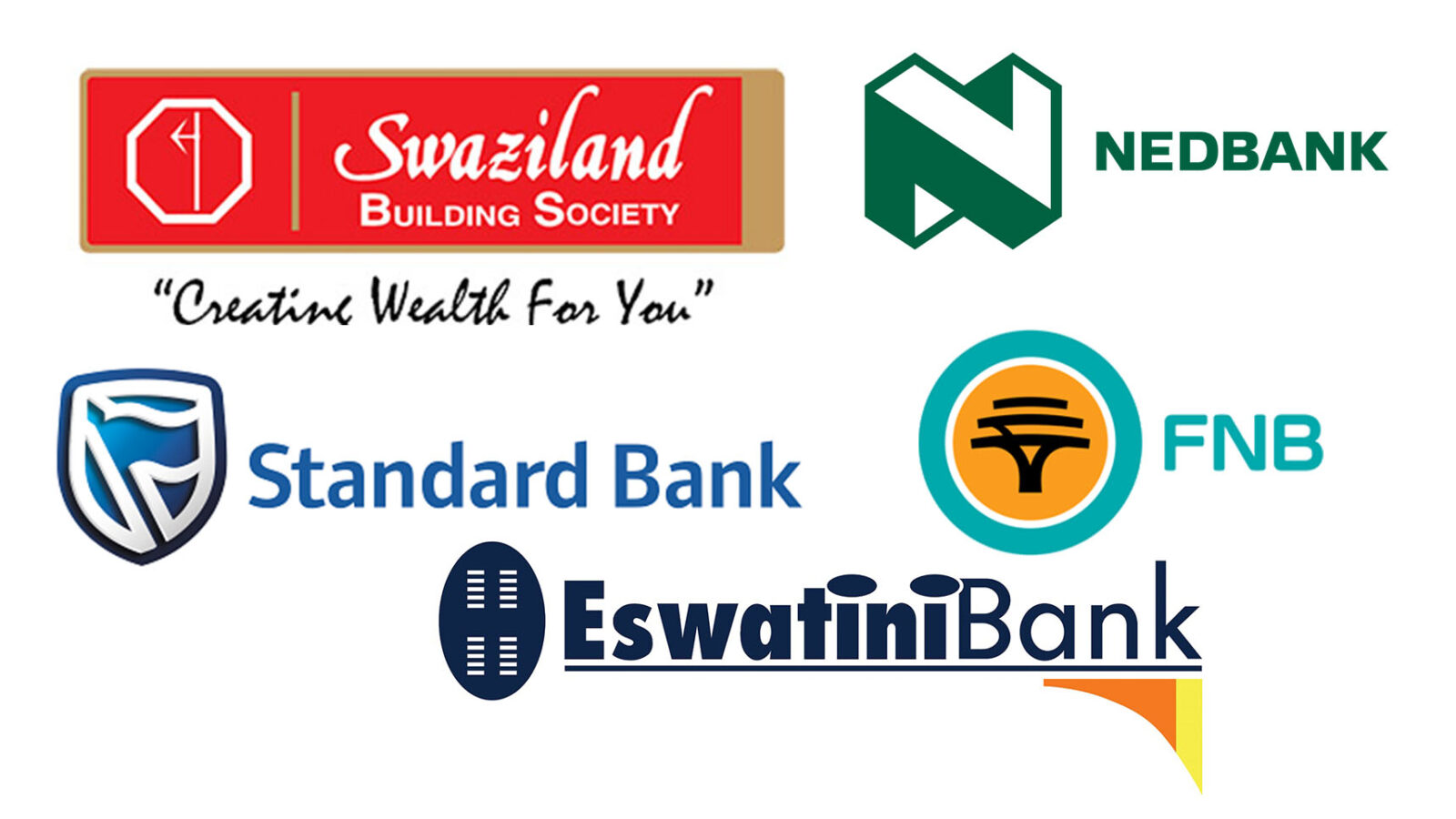
MBABANE – As the 2026 banking fee structures take effect across the Kingdom of Eswatini, the financial landscape has never been more competitive.
For the average liSwati, choosing a bank is no longer just about brand loyalty or branch proximity-it is a high-stakes calculation.
Independent analysis from the latest pricing guides from the nation’s five major players-FNB Eswatini, Nedbank, Standard Bank, EswatiniBank and the Swaziland Building Society (SBS)-reveals a complex web of costs where the ‘cheapest’ option depends entirely on your lifestyle.
The most striking trend for 2026 is the consolidation of ‘zero-fee’ entry-level accounts. Nearly every bank now offers a product designed to lure low-income earners and digital-first users by eliminating the monthly management charge.
FNB Eswatini: Leads the charge with its SicaloZero account, which carries no monthly fee.
Nedbank: Offers the Transactor Savings Account and Youth Savings at a monthly cost of E0.00.
Standard Bank: Its Lite account remains free of monthly management charges.
EswatiniBank: Matches the trend with its Low Cost Transactor Account at E0.00 per month.
Swaziland Building Society: Its Khula Natsi account also features free monthly management.
However, for middle-to-high-income earners, the story changes. Standard current accounts range from E46.86 for FNB’s Gold PAYU option to over E200 for EswatiniBank’s Platinum tier.
While the world moves towards digital, Eswatini remains a cash-heavy economy, and banks are increasingly using withdrawal fees to nudge customers towards cards.
FNB uses a per centage-based model for its PAYU accounts, charging E1.58 per E100 withdrawn at its ATMs. While this is affordable for small amounts (e.g., E1.58 for E100), it becomes expensive for large withdrawals.
Conversely, EswatiniBank uses a tiered flat-fee system: Withdrawing E500 costs E9.37, but withdrawing E5 000 jumps to E70.20.
*…
Which bank fuels Eswatini’s small businesses?
MBABANE – For small and medium enterprises (SMEs) in Eswatini, the choice of a banking partner is often the difference between a thriving bottom line and a monthly struggle with overheads.
As 2026 begins, the nation’s five major financial institutions-FNB, Nedbank, Standard Bank, EswatiniBank and the Swaziland Building Society (SBS)-have updated their pricing for business accounts.
While retail banking has seen a race to ‘zero fees,’ the SME landscape remains a transactional minefield. Analysing the 2026 pricing guides reveals that for a small business owner, the ‘cheapest’ bank depends entirely on three factors: How much cash they handle, how many local payments they make and how they access credit.
For an SME just starting out, the monthly ‘tax’ of a bank account is the first consideration.
FNB Eswatini: Charges E98.52 for its Business Cheque account. This is a competitive entry point for a full-service business account.
Standard Bank: Offers the Lite account at E0.00 monthly, which can be used by micro-enterprises, though more formal commercial accounts carry higher fees.
EswatiniBank: Their standard Current Account (used by many small businesses) sits at E101.02 , while they offer a Low Cost Transactor at E0.00 for those with lower transactional needs.
Nedbank: Their Business/Corporate accounts are generally tiered, with the Transactor model being their most affordable entry point for solo entrepreneurs.
Therefore: If you are a micro-entrepreneur, Standard Bank Lite or EswatiniBank’s Low Cost Transactor are the winners for low monthly overheads.
For SMEs in retail or transport, cash handling is a daily reality. This is where the 2026 fees diverge significantly.
FNB Eswatini: This year, FNB has made a strong play for SMEs by offering free cash deposits (both at branches and ADTs) for amounts up to E30 000 per day. This is arguably the most valuable perk in the 2026 guide for small shopkeepers. Above E30 000, they charge 1 per cent at branches and 0.83 per cent at ADTs.
Nedbank: Charges a flat 1.55 per cent (minimum E8.50) on cash deposits, even at their automated deposit machines. For a business depositing E10 000 a week, this adds up to over E600 a month in fees.
Swaziland Building Society (SBS): Offers free cash deposits for personal and school accounts, but business-related handling usually falls under a 0.85 per cent collection fee for specific collection accounts.
*Full article available in our publication

















Leave a comment