

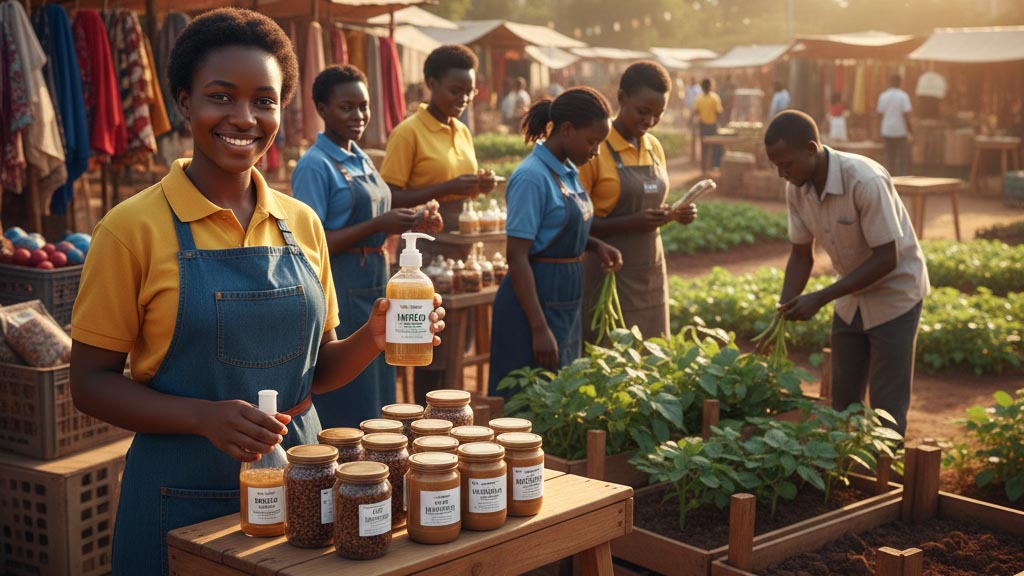
Nowadays, in a volatile global economy, countries are turning inward with solutions which are first and foremost about saving their own people. From trade barriers and tariffs to policies that protect domestic industry, the message is loud and clear: No one else will make our prosperity but us. Eswatini has to realise that we must put more emphasis on what we need to prioritise, that is, empowering our small and medium enterprises (SMEs). These businesses are the lifeblood that builds up our communities, the jobs that generate money that goes directly into our pockets, and ensure that money is circulating within Eswatini, not leaking abroad.
We have a long-standing dependence on foreign direct investment (FDI) and we have often been disappointed in those gains; finding ourselves vulnerable to every global headwind, such as supply chain disruptions or geopolitical turmoil.
We should take a leaf from other small countries like Switzerland, which seems to have successfully insulated itself from foreign blows by diversification of its local economy and a firm focus on its domestic industry. It has also invested in high-value assets like banking, precision manufacturing, drug development, pharmaceuticals and innovation-driven sectors that helped it survive the 2008 financial crisis, Eurozone jitters and even recent pandemics with low economic disruptions. We welcome news from the Ministry of Economic Planning and Development’s Medium-Term Review of January 2026, which has revealed that Eswatini’s growth for 2027 has been revised up from 1.6 per cent to around 3.9 per cent, with average growth for 2028–2030 rising to 3.8 per cent.
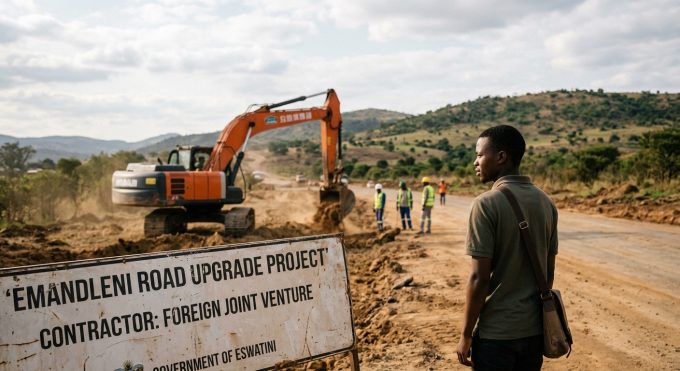
While this increase comes as a result of long-lagging infrastructure projects finally getting underway, including the Strategic Oil Reserve facility, the Mkhondvo–Ngwavuma Water Augmentation Project, key road, energy projects, a new five-star hotel and life-saving water and sanitation work, it provides some, but not enough, breathing room amid a swinging world economy. The real, enduring stability will not be rooted in massive projects, especially if they are granted to foreign companies, but in a thriving local economy. That is why the latest efforts to protect and empower SMEs are so important. The Citizens Economic Empowerment Act (CEEA) is now being validated, an important step towards protecting local small businesses, particularly MSMEs, from unwarranted competition. The Act should ensure that citizens participate more in economic growth and that opportunities are available for emaSwati entrepreneurs to provide quality goods and services for individuals and communities through local enterprises. Last year, Manqoba Khumalo, Minister for Commerce, Industry and Trade, introduced the Ingelo Certification Scheme. This programme educates MSMEs on the important health, safety and quality standards necessary to shield consumers, broaden their market opportunities and improve profits. The initial range of about 21 of the businesses from different tinkhundla are already on the road to making good quality goods such as liquid dish soap, fabric softeners, petroleum jelly and roasted coffee beans, drinks and peanut butter, among others. Projects such as these are worth our strong support, as they build confidence in our local products and provide the opportunities to grow. In terms of the food sector, the Ministry of Agriculture is conducting free training programmes aimed at contributing to food self-sufficiency and countering acute insecurity. These hands-on workshops focus on crop production (beans and other staples) and alternative livestock methods, and specifically target climate shocks, rising costs and production challenges faced by impacted communities.
Food insecurity continues to be an issue and predictions put the number of people in crisis between October 2025 and March 2026 at 259 000 (compared with 193 000 before) but these efforts provide a means for households and, importantly, unemployed youth to move toward a career in agriculture with suitable support. Creativity and intellectual property are being considered as well. A public notice has reminded everyone to register copyrights under Section 85 of the Copyright and Neighbouring Rights Act No. 4 of 2018. This legislation provides artists with protection against piracy, allows for royalties, enables livelihoods in music, writing, film, software and design and accredits Eswatini with international benchmarks, making it easier for our creatives and innovators to prosper in local and international markets. The ‘Made in Eswatini’ mark has also been registered as a trademark by the Eswatini Intellectual Property Office (EIPO) and holds legal rights with A Peculiar People. This measure should not only promote consumer confidence in the local market of products but must also enhance overall brand originality and strengthen our commitment to industrialisation and production of quality local goods. The only ‘party-pooper’, will be high electricity cost that will come our way if the Eswatini Electricity Company (EEC) gets granted its 20.6 per cent hike wish.Summarily, the empowerment legislation, certification training, food security programmes, copyright law and branding, are showing glimpses that we are on the right trajectory. However, momentum must be built. Given how nations of the world are all focused on their own interests, the best way forward for Eswatini is in committing, at a deep level, to investing in her local SMEs, our farmers, our creators and our youth to become more self-reliant and more resilient to global shocks.


















Leave a comment