

MBABANE – The United Nations Development Programme (UNDP) is sharpening its focus on accelerating delivery in high-impact areas in 2026.
This is with Micro, Small and Medium Enterprises (MSMEs), job creation and youth employability, clean energy access, climate action and national systems strengthening topping the agenda under its new strategic framework for Eswatini.
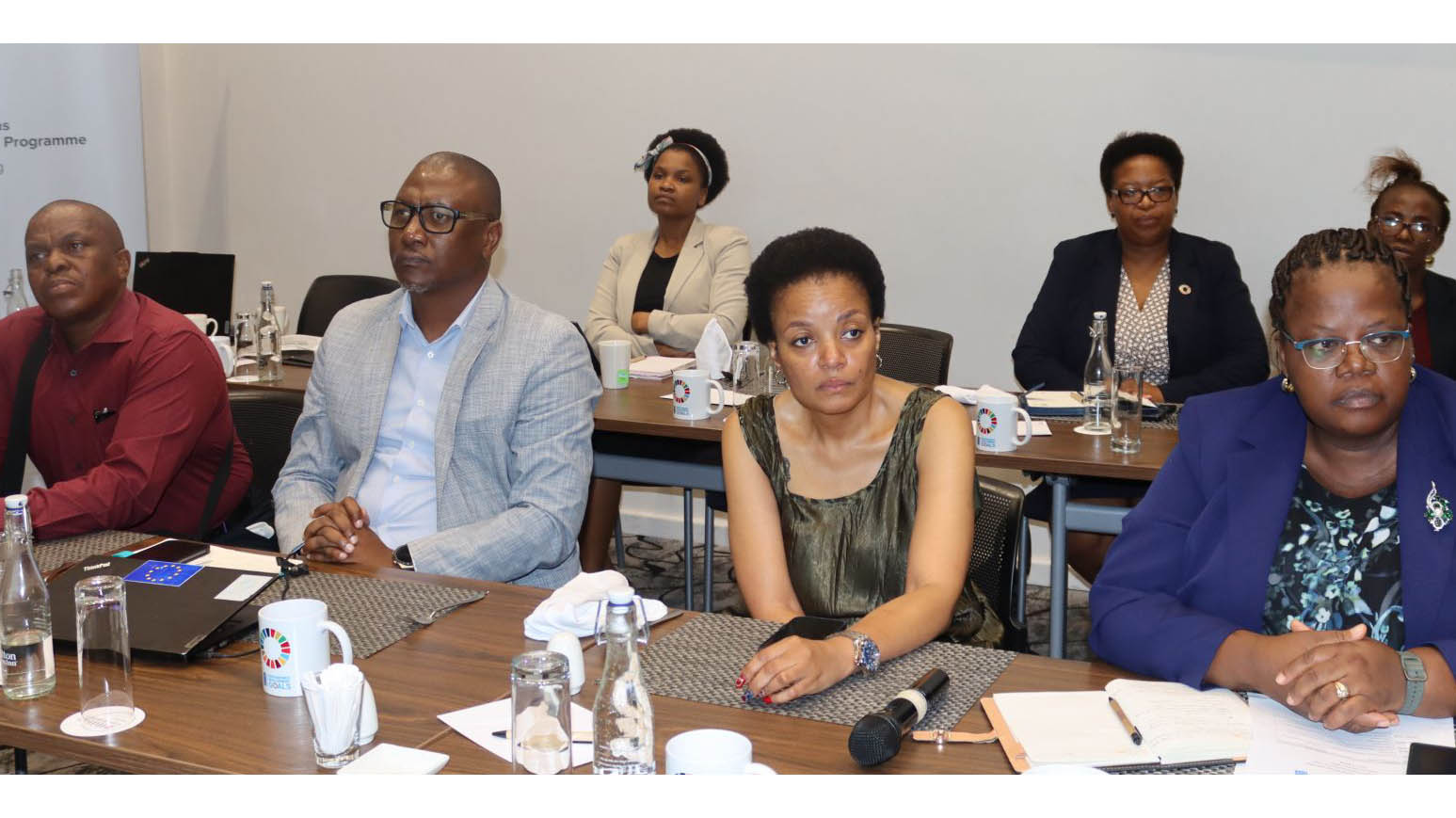
This was highlighted recently when the UNDP Eswatini Sustainable Inclusive Economic Growth Portfolio Board convened at the Hilton Garden Inn, Mbabane to reflect on 2025 achievements and agree on priorities for the year ahead.
Chaired by the Principal Secretary in the Ministry of Economic Planning and Development, Thabisile Mlangeni, the Board reviewed what it described as strong progress across key economic development planning frameworks, MSME development, climate resilience, the clean energy transition and youth empowerment programmes.
Looking ahead, UNDP officials indicated that the 2026 programme of work will be guided by a renewed push to translate policy into impact on the ground, particularly in areas that directly affect livelihoods and business confidence.
Accelerating MSME growth to expand local value chains and strengthen the private sector’s role in job creation;
Supporting youth employability through skills development, entrepreneurship support and market linkages;
Expanding access to affordable clean energy services to lower operating costs for businesses and households;
Deepening climate action and resilience to protect vulnerable communities and productive sectors; and
Strengthening national systems and planning frameworks to improve policy coordination, implementation and accountability.
Board members agreed that while 2025 laid important groundwork in planning and institutional strengthening, the coming year must demonstrate faster delivery of tangible results that citizens and businesses can feel.
The Sustainable Inclusive Economic Growth Portfolio is anchored on five integrated programme pillars designed to reinforce one another and unlock inclusive growth:
Nature-based solutions for climate and development – promoting conservation-led development that protects ecosystems while supporting livelihoods.
Economic diversification and private sector-led growth (MSMEs) – strengthening MSMEs as engines of growth, innovation and employment.
Disaster risk reduction and climate change adaptation – building resilience to climate shocks that disrupt communities and businesses.
*Full article available on Pressreader*













Leave a comment