

MBABANE — Minister for Natural Resources and Energy, Prince Lonkhokhela has emphasised the importance of strengthening regional transmission lines.
The minister said such would help to facilitate power trade, addressing high tariffs and exploring tariff harmonisation to promote sustainable energy solutions in Southern Africa.
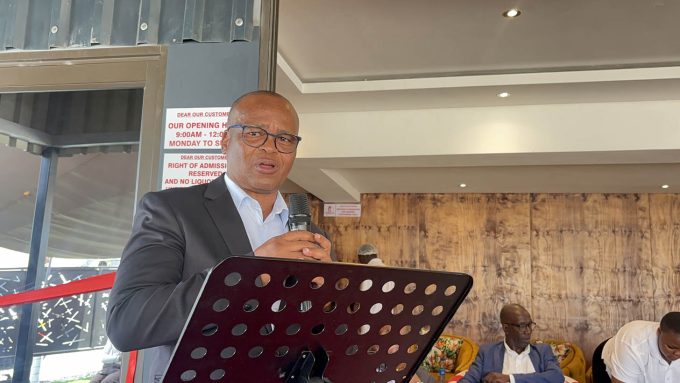
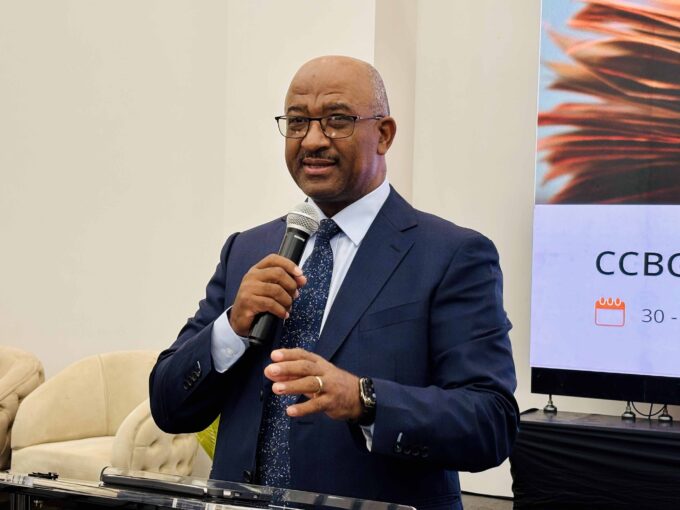
These remarks were delivered by Eswatini’s minister of Natural Resources and Energy, during a high-level Ministerial Roundtable on Energy Trading and Transmission held on the margins of the SADC Sustainable Energy Week 2026 in Victoria Falls.
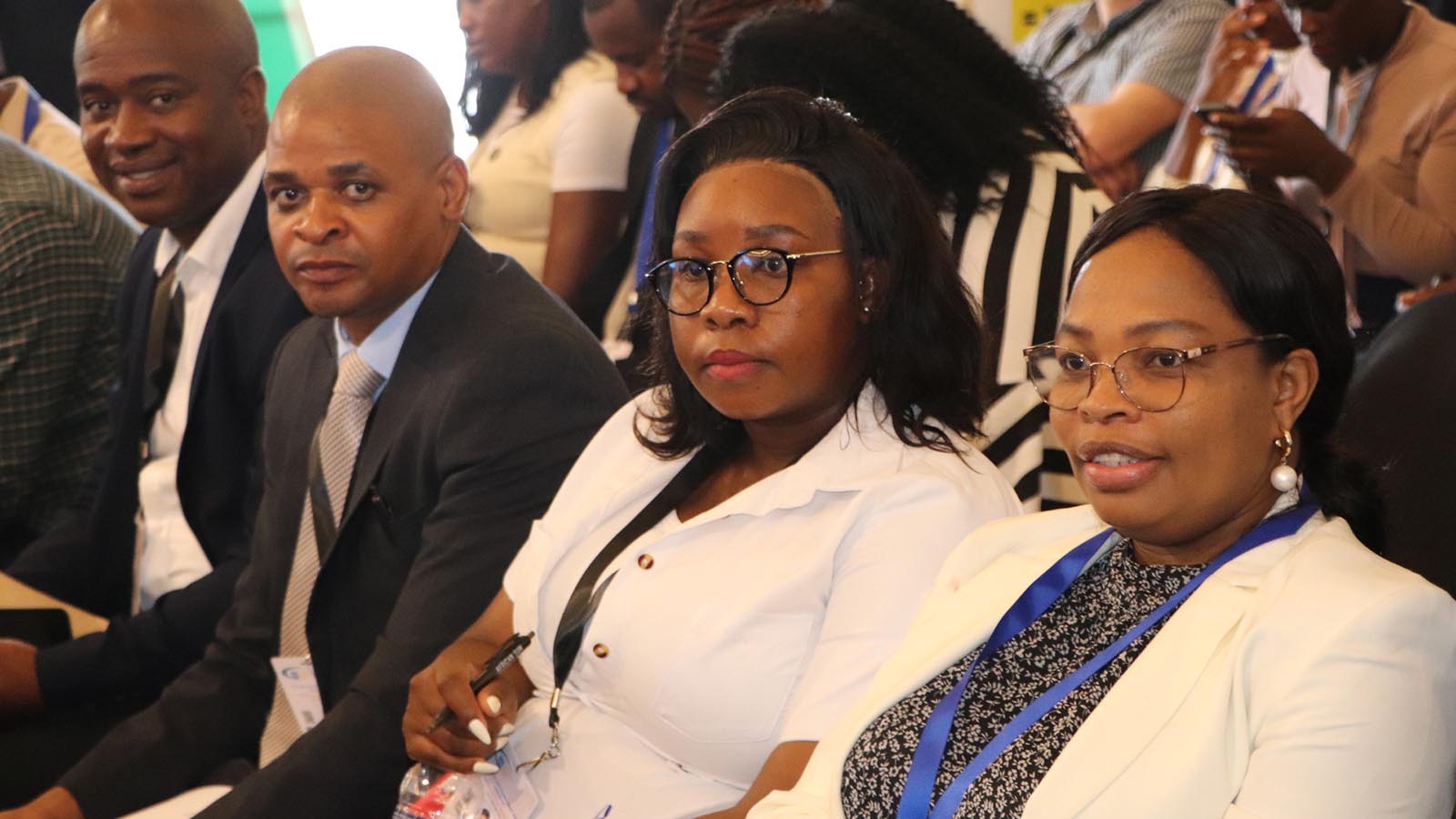
The roundtable, themed ‘Future of Energy Trading and Transmission in Southern Africa’, brought together energy ministers and senior officials from across the Southern African Development Community (SADC) to chart pathways for deepening regional power trade, modernising transmission infrastructure and advancing sustainable energy solutions.
The engagement comes against the backdrop of persistent power supply constraints across Southern Africa, rising electricity tariffs and mounting pressure on ageing transmission networks.
As demand continues to outstrip generation capacity in several SADC countries, the importance of regional cooperation has become more pronounced, particularly in enabling power to flow from surplus to deficit markets.
At the centre of discussions was the need to strengthen cross-border transmission corridors to unlock the full potential of regional electricity trade through the Southern African Power Pool (SAPP). Although the SAPP provides a framework for member States to buy and sell electricity, limited transmission capacity, network congestion and ageing infrastructure continue to constrain trading volumes.
Prince Lonkhokhela noted that without substantial investment in transmission lines and substations, the region risks underutilising available generation capacity, even as some countries grapple with shortages and load curtailment.
He argued that improving interconnector capacity would reduce supply risks, improve system reliability and lower the cost of power through more competitive regional trading.
Energy experts at the roundtable highlighted that several cross-border transmission projects have faced delays due to financing constraints, regulatory misalignment and lengthy approval processes. Participants agreed that accelerating these projects is critical if Southern Africa is to stabilise electricity supply and reduce dependence on costly emergency power procurement.
*Full article available on Pressreader*
















Leave a comment