

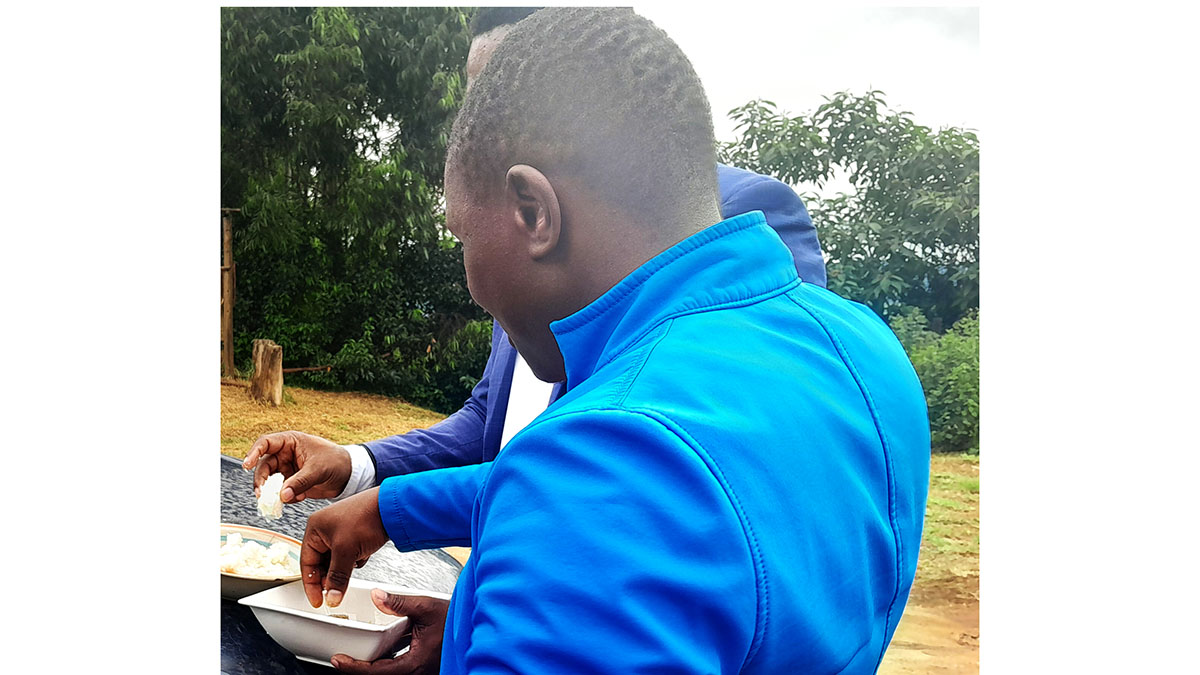
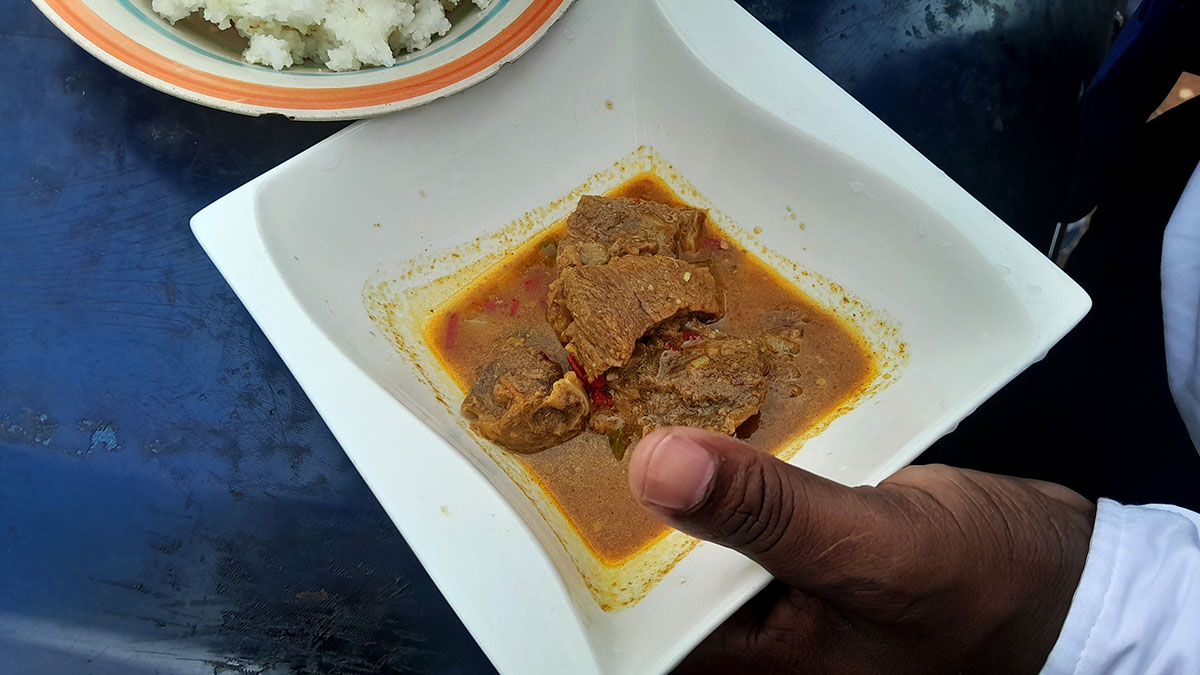
MBABANE – There is a man who sells donkey meat.
This is contrary to common taste as emaSwati either eat chicken or beef as a prime source of protein. It has been established that at Motshane and some surrounding places, a different choice of food has emerged. In these areas, the question is no longer just ‘chicken or beef’, but ‘chicken, beef or D-meat’? D-meat is short for donkey meat, and this is what the locals there call it.
It sounds strange to the unaccustomed ear, but for a growing number of emaSwati, donkey meat, now affectionately nicknamed ‘D Meat’, is becoming a popular and preferred source of protein. Once valued primarily for ploughing fields and transporting goods, donkeys are gaining a new reputation: as a source of tender, affordable meat.
The revelation that a significant population is turning to donkey meat prompted questions for the Minister for Agriculture, Mandla Tshawuka. When first approached for comment, the minister expressed shock, admitting that this was an ‘uncommon’ and surprising development. Tshawuka said he was aware that in other countries he had heard of people eating donkey meat, but was not aware that locals were also turning to it.
Regarding the health risks, Tshawuka was asked specifically about the threat of foot-and-mouth disease (FMD), a highly contagious ailment that has plagued livestock in the region. The minister offered reassurance on this point, clarifying that ‘donkeys or mules do not contract the disease’. He confirmed they are safe from FMD. However, he issued a broader warning, stating that ‘any animal, depending on how it is slaughtered, had the potential of transmitting disease’. He stressed that proper hygienic measures must be taken when preparing any animal for slaughter to ensure the meat is safe for consumption.
Meanwhile, one of the residents who have embraced this dietary shift is King Ntiwane, a lifelong enthusiast of donkey meat who says his family does not share his taste for donkey meat. Ntiwane is a businessman and runs a lodge.
His relationship with this unconventional delicacy began in early childhood. “I started eating the meat when I was only five years old,” he revealed. As he is now over 40 years old, Ntiwane admits he enjoys donkey meat far more.
The origin of his taste for ‘D Meat’ is an emotional memory. He recalls the day his grandmother’s donkey sustained a severe leg injury. Rather than letting the animal suffer, his grandmother made the practical decision to put it down. “It was then that they killed the donkey and skinned it,” Ntiwane explained. The family prepared the carcass and shared the meal. For the young Ntiwane, it was a revelation. He enjoyed the meat so much that he ‘has not looked back’ and has continued to eat it ever since.
When asked to describe the flavour and texture, Ntiwane is emphatic. He describes the meat as being very tender, a stark contrast to beef, which he claims can be hard to chew. This tenderness, combined with its affordability, is a major part of its appeal.
Despite its growing popularity, Ntiwane is quick to point out that the number of people eating donkey meat in Eswatini is likely much higher than official estimates suggest. He reveals a hidden aspect of this food trend: secrecy. “Many people actually eat donkey meat in Eswatini, but they are scared to admit it in public,” Ntiwane stated.
He said some are afraid to do it openly, saying people would laugh at them. He said he draws a parallel to social conformity, explaining that it is similar to how people who do not go to church sometimes will say they do just to avoid being questioned about why they do not. In the same way, a significant portion of the population enjoys ‘D’ Meat in the privacy of their homes but denies it publicly to avoid the social stigma or judgment associated with it.
*Full article available on Pressreader*














Leave a comment