

MBABANE – Some ministers, not all, are in violation of the Constitution of the Kingdom of Eswatini.
This mainly refers to Section 69 (2), which states that: “the Cabinet shall be collectively responsible to Parliament for any advice given to the King by or under the general authority of the Cabinet and for all things done by or under the authority of any minister in the execution of the office of minister.”
Simplifying the above legal provision, constitutional experts say it means Cabinet acts as a single unit, holding joint responsibility to Parliament for all advice given to the King and all actions taken by individual ministers.
They say that if a policy is approved, all ministers must support it publicly, even if they disagree privately, and the entire Cabinet is accountable for the consequences of those actions.
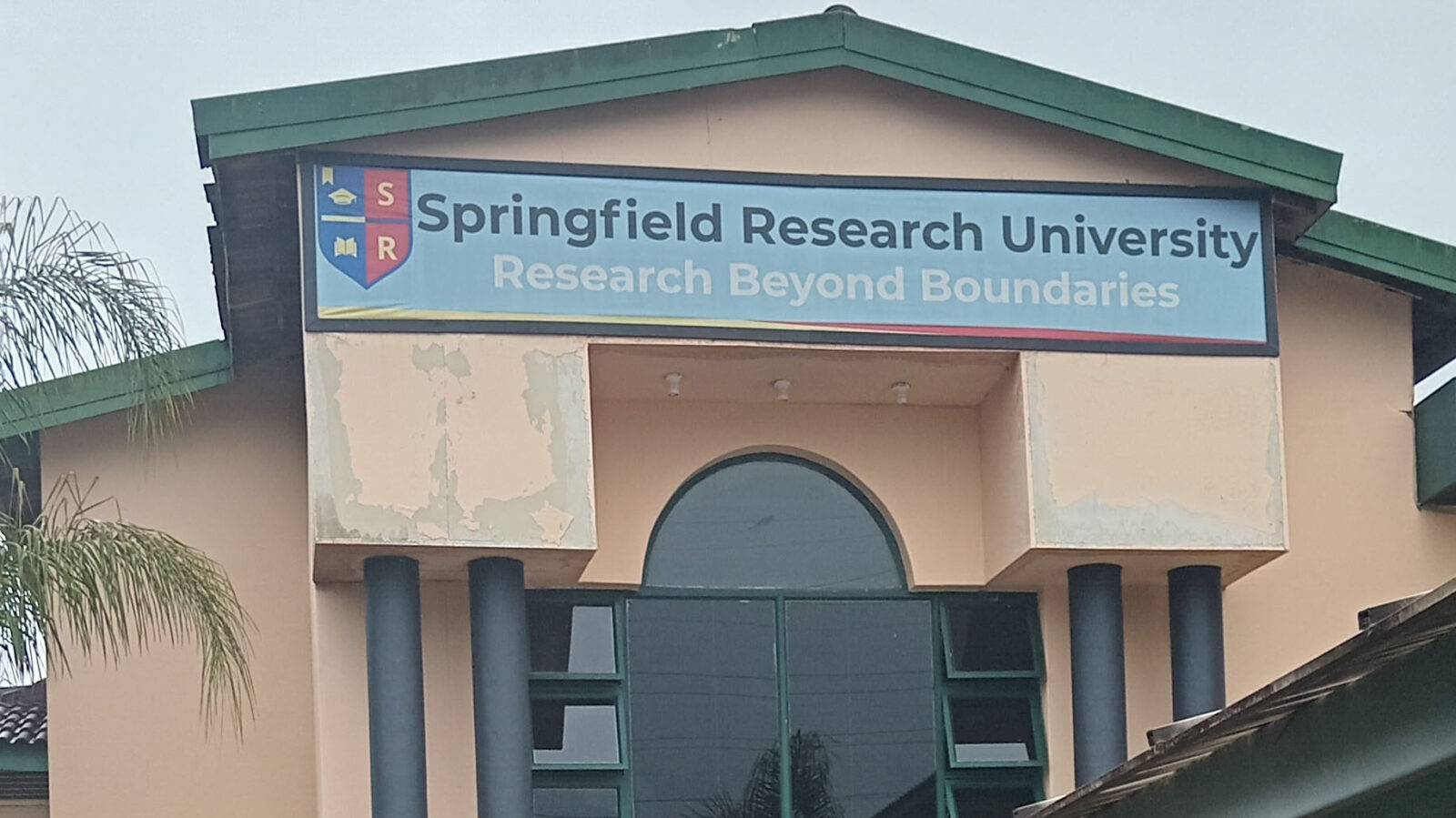
Recently, the Times of Eswatini reported that a certain minister raised concerns regarding the misallocation of funds. This development compelled Prime Minister Russell Mmiso Dlamini to publicly defend the decision to allocate funds for the construction of the University of Transformation to his office.
The minister even endorsed a move by MPs to call for the return of the money to the Ministry of Education and Training.
The constitutional provision reads: “The Cabinet shall be collectively responsible to Parliament for any advice given to the King by or under the general authority of the Cabinet and for all things done by or under the authority of any minister in the execution of the office of minister.”
Reads Section 69 (1): “The Cabinet shall keep the King fully informed about the general conduct of the government of Swaziland and shall furnish the King with such information as the King may require in respect of any particular matter relating to the government of Swaziland (Eswatini).
“The Cabinet shall be collectively responsible to Parliament for any advice given to the King by or under the general authority of the Cabinet and for all things done by or under the authority of any minister in the execution of the office of minister.”
It is stated in subsection 3 that Cabinet shall formulate and implement the policy of government in line with any national development strategy or plan and perform such other functions as may be conferred by this Constitution or any other law.
On February 23, 2026, Cabinet gathered in retreat at Royal Villas, Ezulwini, where ‘collective commitment’ to advancing national transformation, strengthening governance and delivering tangible impact for the people of Eswatini was reaffirmed.
The Declaration reads: “Cabinet reaffirms its collective responsibility to deliver the mandate of His Majesty the King and the aspirations of emaSwati as articulated through the 2023 Sibaya People’s Parliament, operationalised by the National Development Plan and the Nkwe! Programme of Action (PoA).
“Cabinet recognises that the ‘Nkwe’ mandate calls for accelerated, decisive delivery to stimulate fast, inclusive economic growth, end poverty, eradicate corruption, create employment, develop enabling infrastructure and strengthen the health and education systems.”
On Wednesday, the Prime Minister defended the decision to keep the SADC University of Transformation project under his office.
He did this during the portfolio committee debate held in Parliament.

















Leave a comment