

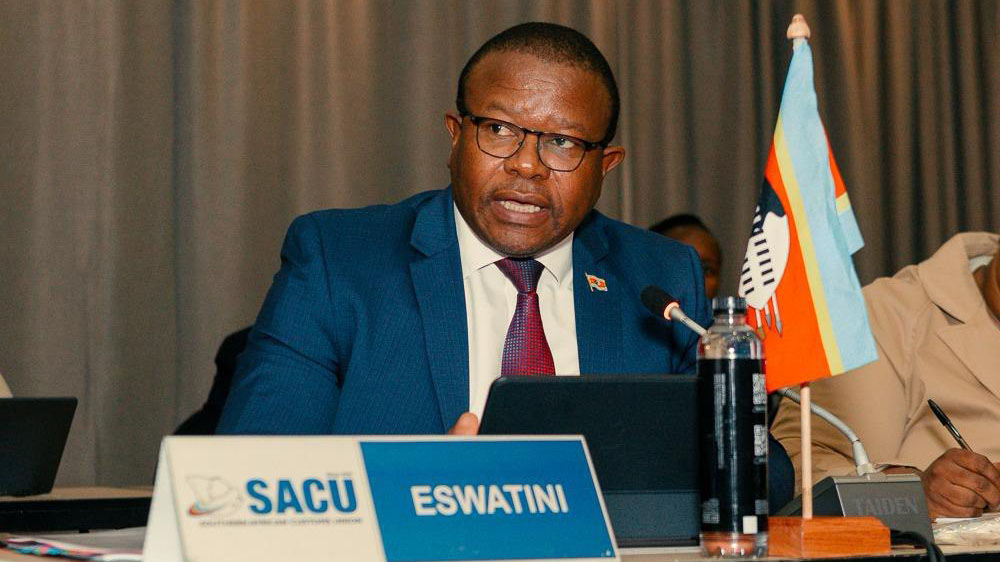
MBABANE – Ministers responsible for trade and industry from member States of the Southern African Customs Union (SACU) met last Friday to deliberate on key trade issues affecting the region.
These issues include geopolitical developments, intra-regional trade challenges and progress on continental trade integration.
The high-level meeting held in Johannesburg provided an early opportunity for ministers to review the SACU trade agenda for the year and offer strategic guidance on matters shaping the economic landscape of the customs union.
Discussions also focused on strengthening regional cooperation and ensuring that member States remain aligned in their approach to global and regional trade developments.
Eswatini’s delegation to the meeting was led by the Minister for Commerce, Industry and Trade, Manqoba Khumalo, who was accompanied by key officials from government and the private sector, including representatives from the sugar industry.
Among the pressing issues on the agenda were geopolitical developments and their potential impact on trade flows within the region and beyond. Ministers examined how evolving global dynamics could influence the operations of SACU economies and considered strategies to safeguard regional trade interests.
The meeting also addressed cross-border trade challenges within SACU, with ministers assessing progress made in resolving barriers that affect the smooth movement of goods and services among member States.
Such discussions are particularly significant, given the bloc’s longstanding objective of promoting deeper economic integration and facilitating trade across borders.
Formed in 1910, SACU is the world’s oldest functioning customs union and comprises Eswatini, South Africa, Botswana, Lesotho and Namibia. The bloc provides a framework for the free movement of goods within the region and the implementation of a common external tariff on imports from outside the union.
Another key issue discussed was the progress of ongoing trade negotiations and developments under the African Continental Free Trade Area.
Ministers reviewed how SACU member States are positioning themselves to take advantage of the opportunities presented by the continental trade agreement, which aims to create the world’s largest free trade area by connecting 54 African countries.
The AfCFTA is widely viewed as a transformative initiative that could significantly boost intra-African trade by reducing tariffs and addressing non-tariff barriers. For smaller economies such as Eswatini, deeper participation in continental trade frameworks is seen as an opportunity to expand export markets and attract investment into productive sectors.
In addition to continental trade developments, ministers also discussed broader global and regional policy issues that have implications for the SACU trade environment. These included policy coordination among member States and measures aimed at strengthening competitiveness and industrial development within the region.
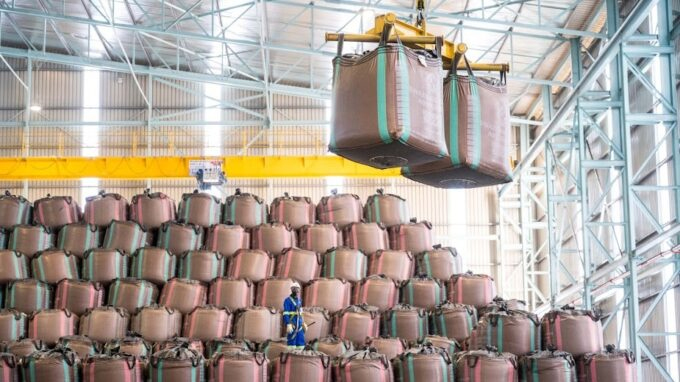
A significant focus of the meeting was the long-term solution on sugar trade within SACU, a matter of particular importance to Eswatini given the strategic role of the sugar industry in the country’s economy.
*Full article available on Pressreader*

















Leave a comment