


Trade relations between Africa and China continue to expand; however, available data shows a persistent imbalance that favours the Asian economy. Current statistics show a pattern in which African countries export mainly raw materials, while importing a wide range of finished industrial goods. This structure produces large trade gaps and places domestic markets under external supply pressure that shapes production, employment and long-term economic stability.
Data compiled by the International Trade Centre indicates that Africa recorded a trade deficit with China of about US$74 billion in 2024. Exports from Africa to China reach US$94.1 billion, while imports from China reach US$168.1 billion. More than 90 per cent of African exports consist of fuels, minerals and metals. Imports, in contrast, consist largely of machinery, electrical equipment, vehicles, plastics and other manufactured products used in everyday economic activity.
This structure presents a long-standing pattern in global trade, where developing economies supply raw materials while industrialised economies export processed goods. In such an arrangement, the value added during manufacturing remains outside the exporting region. African economies, in this regard, earn revenue mainly from extraction sectors, while spending larger sums on finished products required for infrastructure, communication, transport and household consumption.
Statistics show that machinery and mechanical appliances form one of the largest categories of imports from China to Africa, valued at more than US$26 billion in 2024. Electrical machinery and equipment account for about US$25.7 billion, followed by vehicles and parts worth more than US$13 billion. These figures show how deeply Chinese industrial output enters the African markets. At the same time, exports from Africa to China concentrate heavily on mineral fuels, ores and copper. Mineral fuels alone account for over US$33 billion in exports, while ores and slag contribute more than US$26 billion and copper nearly US$19.5 billion. Such figures show a narrow export structure tied closely to commodity demand cycles.
When trade relations follow this pattern for long periods, domestic industries struggle to expand. Local producers compete with imported manufactured goods that often arrive at lower prices, due to large-scale production abroad. The result often appears in limited industrial development, dependence on commodity markets and rising pressure on foreign exchange reserves.
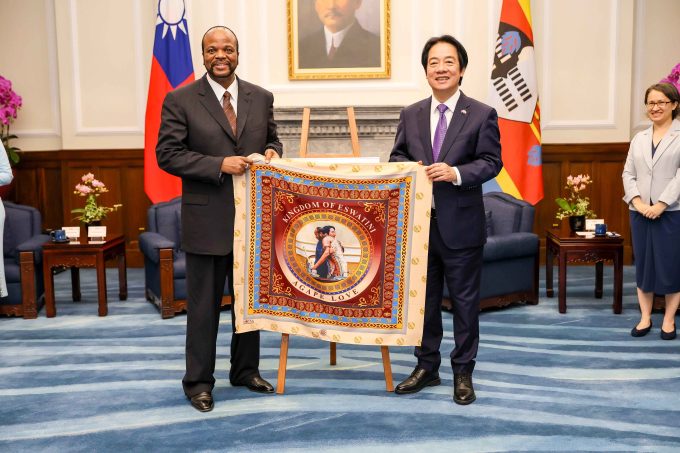
Eswatini provides a small but clear example of this imbalance. Trade data from the Eswatini Revenue Service indicates that exports from Eswatini to China reached only US$1.46 million in 2024. Imports from China in the same year reached about US$184.6 million. The difference shows a trade relationship where goods entering the country far exceed the value of goods leaving it.
Eswatini’s exports to China consist largely of quartz, unworked precious stones, iron-ore and small quantities of other products. Imports include cotton fabrics, citric acid, synthetic textile materials, smartphones and refrigeration equipment. These goods serve everyday commercial and consumer activity within the country; however, they also show how domestic demand depends heavily on manufactured imports.
China’s role within the global trading system also shapes how such arrangements develop. As a member of the World Trade Organization, China must comply with rules such as the most-favoured-nation principle. If China wishes to provide tariff preferences only to African states, it must either negotiate comprehensive trade agreements covering most goods or obtain a waiver approved by WTO members. Such processes require lengthy negotiation and consensus among member States. Reports also note that trade arrangements presented as support for African exports can simultaneously create new outlets for Chinese products during periods of weak domestic demand in China. When this occurs, large volumes of manufactured goods enter African markets, while local companies struggle to match price levels and production capacity. This dynamic contributes to dependence on imported goods and reduces space for domestic manufacturing sectors to develop.
The social effects of such imbalances appear in several countries where commodity exports dominate trade relations with China. Zambia provides a well-known example. Copper exports account for a large share of Zambia’s trade with China. While copper generates foreign exchange, fluctuations in global commodity prices frequently translate into fiscal pressure and economic instability. During periods of low prices or rising debt linked to infrastructure financed through external partners, ordinary citizens face rising living costs, unemployment and pressure on public services.
Sri Lanka presents another case where trade and financial ties with China generate public debate. Large infrastructure projects financed through external borrowing combine with persistent trade deficits in manufactured goods. The result contributes to foreign exchange shortages that later affect the availability of fuel, food imports and industrial inputs. During the financial crisis experienced by the country, shortages of essential goods and inflation affect daily life for households.
These experiences show how trade structures extend further than simple export and import statistics. When a country exports mainly commodities and imports finished goods, economic cycles in global markets influence employment, public finances and domestic prices. Commodity booms can bring revenue surges; however, downturns quickly produce fiscal pressure.
Within Africa, the pattern also shapes long-term industrial prospects. A narrow export base centred on raw materials limits technological transfer and reduces opportunities for value addition within domestic economies. Manufacturing sectors require stable markets, investment in production facilities and access to competitive technology. When imported goods dominate local markets, emerging industries face difficulty securing those conditions.
Trade partnerships, nonetheless, remain an essential part of economic growth. Countries engage in international trade to access markets, technology and investment that may not exist domestically when trade flows consistently favour one side in value and industrial capacity, the distribution of economic benefits becomes uneven. Africa’s expanding economic relations with China reveal an interesting dichotomy: Opportunity and imbalance. The statistics indicate expanding commercial exchange; however, they also show how the structure of that exchange places raw material exporters at a disadvantage within global production networks. For smaller economies such as Eswatini, the disparity between exports and imports shows how deeply domestic consumption depends on foreign industrial output.
As long as this structure persists, the economic consequences extend past trade accounts. They appear in employment prospects, industrial growth and fiscal stability across developing economies engaged in commodity-based trade with large manufacturing partners.

















Leave a comment