

MBABANE — Eswatini’s efforts to strengthen food security are facing mounting pressure from climate shocks and rising input costs, even as government programmes show signs of progress in boosting agricultural production.
A new Ministry of Agriculture performance report for 2025/2026 reveals that, while thousands of farmers are adopting improved farming methods, their ability to scale up production is being constrained by the high cost of fertilisers, pesticides, and other essential inputs.
The report shows that only 52.7 per cent of the targeted land was limed, and less than half of the farmers applied the correct fertiliser methods, largely due to affordability challenges. Weed and pest control efforts were similarly affected, with many farmers unable to access herbicides and pesticides consistently.
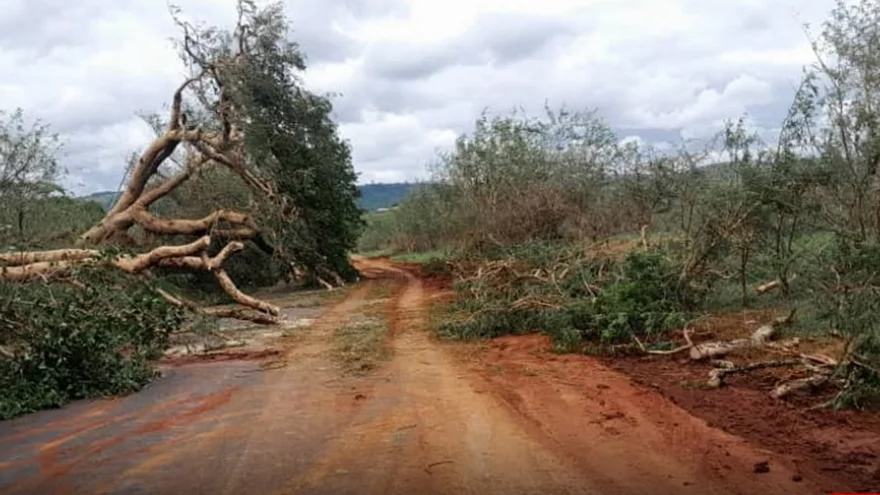
At the same time, extreme weather events, including drought, frost and hailstorms, have recently disrupted crop production across the country. Key crops such as potatoes, tomatoes and green peppers recorded lower-than-expected yields, with some failing to reach markets altogether.
The situation, according to the report, reflects a broader global trend, where smallholder farmers are increasingly vulnerable to the combined effects of climate change and rising agricultural costs. Across Africa and other developing regions, volatile weather patterns and supply chain disruptions have pushed up input prices, undermining food production systems.
Despite these challenges, Eswatini has made notable gains in certain areas. The report highlights increased adoption of improved seed varieties, with up to 86 per cent of farmers selecting appropriate crops, as well as expanding commercial maize production and stronger linkages to formal markets.
Government-backed initiatives promoting crop diversification and climate-smart agriculture, including drip irrigation, protected cultivation and mulching, are also gaining traction. However, uptake remains limited, with most farmers unable to afford the high installation and maintenance costs.
Experts say this gap between policy ambition and on-the-ground reality is not unique to Eswatini. Globally, climate-smart agriculture has been promoted as a key solution to food insecurity, yet implementation remains uneven, particularly in low-income countries.
The report also points to structural challenges within the agricultural sector, including limited access to transport, equipment shortages and low participation by young people in farming. These factors continue to slow productivity gains and threaten long-term sustainability.
Meanwhile, efforts to expand production of drought-tolerant crops such as cassava, sorghum and sweet potatoes have yielded mixed results, with output falling short of targets due to resource constraints and limited access to planting materials. This is also contained in the report.
















Leave a comment