

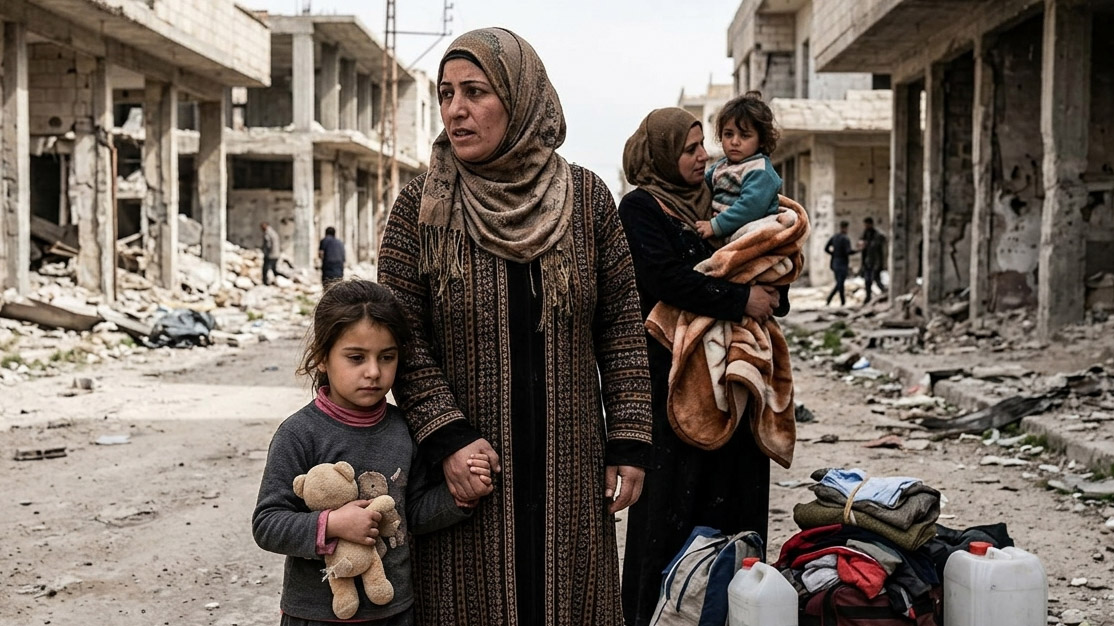
War has long been one of the most devastating human experiences, leaving deep scars on societies and individuals alike. While its consequences affect entire populations, women and children often bear the heaviest and most enduring burdens. Their experiences during and after conflict reveal the human cost of war in ways that statistics alone cannot fully capture. In recent years, the ongoing conflicts in the Middle East have provided a stark and painful illustration of how warfare disrupts lives, destroys communities and undermines the dignity and safety of the most vulnerable.
Women in conflict zones frequently face a unique set of challenges that go beyond the immediate dangers of violence. As social structures collapse, many women are forced to assume new roles as heads of households, often without adequate resources or support.
They must provide for their families in environments where access to food, healthcare and employment is severely limited. In the Middle East, years of instability have left countless women navigating displacement, poverty and insecurity while trying to maintain some sense of normalcy for their children.
At the same time, women are at heightened risk of gender-based violence during war. Armed conflict creates conditions where law enforcement systems weaken or disappear entirely, allowing abuse to occur with little accountability. Reports from war-affected areas in the Middle East have documented instances of sexual violence, exploitation and forced marriages. These acts are not only violations of human rights, but also tools of war that aim to terrorise communities and break their resilience.
The psychological impact of such experiences can last a lifetime, affecting survivors’ sense of safety, identity and well-being. Children, too, suffer profoundly in times of war. Their lives are disrupted in ways that can alter their development and future opportunities. Schools are often destroyed or repurposed for military use, depriving children of education and a sense of routine. In regions of the Middle East affected by conflict, millions of children have grown up without consistent access to schooling. This educational gap not only limits their personal growth, but also affects the long-term recovery of their societies.
Beyond the loss of education, children face direct exposure to violence. Many witness traumatic events such as bombings, the loss of loved ones and displacement from their homes. These experiences can lead to long-lasting psychological effects, including anxiety, depression and post-traumatic stress. For younger children, the inability to fully understand what is happening around them can make the fear even more overwhelming. The sense of instability and danger becomes a normal part of their daily lives.
Displacement is another major consequence of war that disproportionately affects women and children. Families are often forced to flee their homes with little notice, leaving behind their belongings, livelihoods and support networks. Refugee camps and temporary shelters can offer safety from immediate violence, but they often lack adequate resources and protection. Women and children in these settings may face overcrowding, limited access to healthcare and ongoing risks of exploitation. In the Middle East, the scale of displacement has reached millions, highlighting the immense humanitarian challenge posed by prolonged conflict.
Health is another area where the impact of war is deeply felt. Pregnant women may struggle to access maternal care, increasing the risk of complications and mortality. Children may suffer from malnutrition and preventable diseases due to the breakdown of healthcare systems. The destruction of infrastructure further limits access to clean water and sanitation, compounding health risks. In conflict zones across the Middle East, these challenges have led to worsening public health outcomes that will take years to address.
Despite these hardships, women and children are not only victims of war, but also agents of resilience and recovery. Women often play critical roles in maintaining community cohesion, supporting one another and advocating for peace. They are frequently at the forefront of humanitarian efforts, working to rebuild their communities and provide care for those in need.
Children, too, demonstrate remarkable resilience, finding ways to adapt and cope even in the most difficult circumstances. The experiences of women and children in war highlight the urgent need for greater protection, support and inclusion in peacebuilding efforts.
Addressing their needs is not only a moral imperative, but also essential for achieving lasting peace. The conflicts in the Middle East serve as a powerful reminder that the true cost of war is measured not only in territory lost or gained but, in the lives, disrupted and the future`s uncertain. By recognising and responding to these realities, the international community can take meaningful steps to reduce the suffering caused by conflict and build a more just and peaceful world.
















Leave a comment