

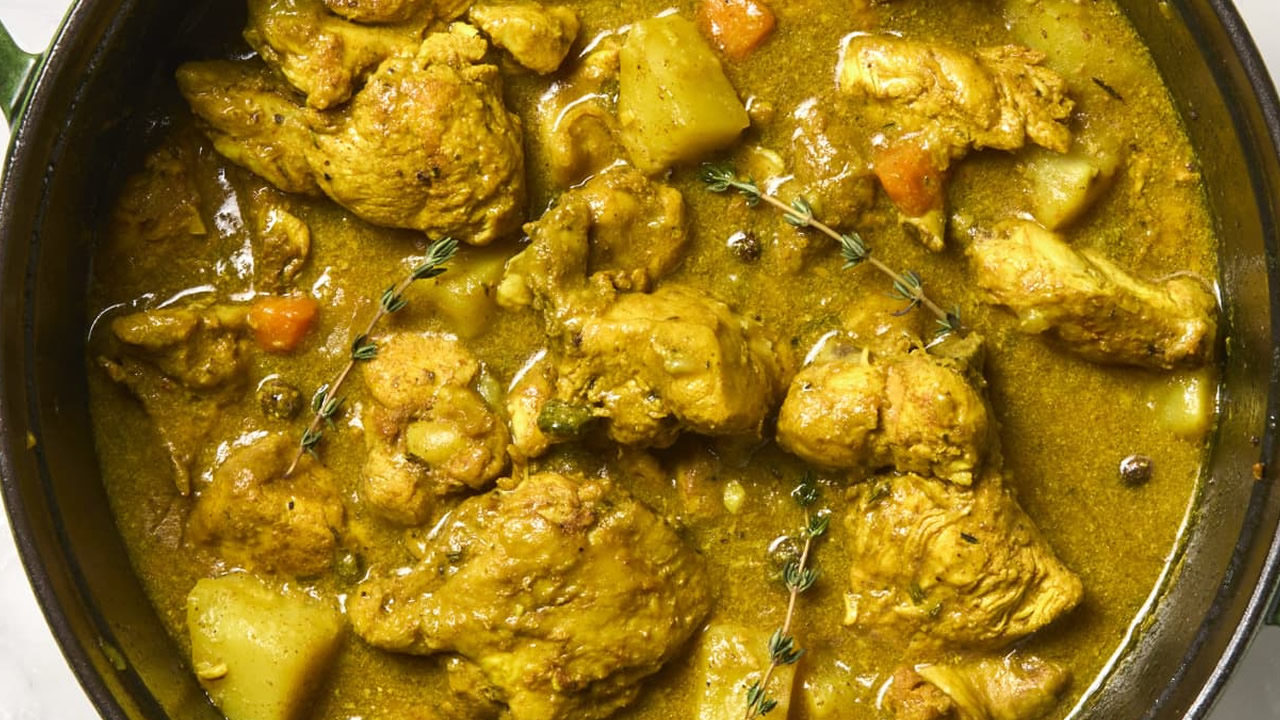
If you’ve ever stood over a bubbling pot of something richly spiced and saucy, you may have wondered: is this a curry or a stew?
To help answer that question, I spoke with Chef Anjali Kapoor, a classically trained chef and culinary instructor who’s spent years teaching global cooking techniques to home cooks and professionals alike. According to her, the difference is subtle, but meaningful and it all starts with culture, spices, and cooking intent.
Let’s Define It: Curry vs. Stew
“Think of a stew as a method, and a curry as a concept,” Chef Kapoor begins. “Stews are universal you’ll find them in every culture. They’re typically slow-cooked dishes where ingredients like meat and vegetables simmer in a liquid until tender. A curry, on the other hand, is more than a cooking process. It’s a flavour profile, a spice philosophy.”
A stew is generally defined by technique: browning ingredients, deglazing with liquid (like broth, wine, or water), and slow cooking to build depth. You’ll find French beef bourguignon, Moroccan tagines, and Irish lamb stews all fall under this broad category.
A curry, however, is defined by spice combinations and regional traditions, most commonly associated with South Asian, Southeast Asian, and Caribbean cuisines. It can be wet or dry, slow-cooked or quickly sautéed, but always centered around a unique blend of spices.
Spice is Key
One of the most striking differences lies in the use of spices.
“In a curry, spices aren’t just seasoning they’re foundational,” says Chef Kapoor. “Whether it’s whole seeds like cumin and mustard, or a masala blend of ground coriander, turmeric, and chili powder, curry spices are carefully layered to create depth.”
Stews, on the other hand, are typically seasoned more subtly. Salt, pepper, herbs, garlic, and bay leaves are common players, but few traditional stews involve toasting whole spices or making a complex spice paste at the start.
The Global Gray Area
The overlap, of course, is real. You can have a Thai beef curry and an American beef stew that look and even cook similarly. But the flavours will take them worlds apart.
Chef Kapoor laughs when asked if one can be mistaken for the other. “Absolutely especially in Western kitchens where the term ‘curry’ can be used loosely. But if it has layered spices, aromatics like ginger and garlic, and a distinct regional identity, it’s likely a curry.”
A quick comparison:
Feature Stew Curry
Origin Global Primarily South/Southeast Asia, Caribbean
Defining Feature Slow-cooked in broth or liquid Complex spice blends
Common Ingredients Meat, root vegetables, stock, herbs Spices, garlic, ginger, chili, coconut milk
Spice Level Mild to moderate Often moderate to hot
Cooking Method Braising, simmering Varies – sauté, simmer, pressure-cook
Why it matters in the kitchen
Understanding the difference can help you cook both with more confidence. If you’re aiming for a stew, focus on building depth through time and broth. If you're making a curry, start with aromatics, toast your spices, and taste as you layer.
“Both are beautiful,” says Chef Kapoor. “They warm you up, feed a crowd, and taste even better the next day. But they speak different languages. A stew whispers comfort. A curry sings with spice.”
Whether you’re ladling up a slow-simmered beef bourguignon or a fragrant chicken tikka masala, knowing the roots of each dish helps you cook with more authenticity and enjoy each bite more fully.


















Leave a comment