

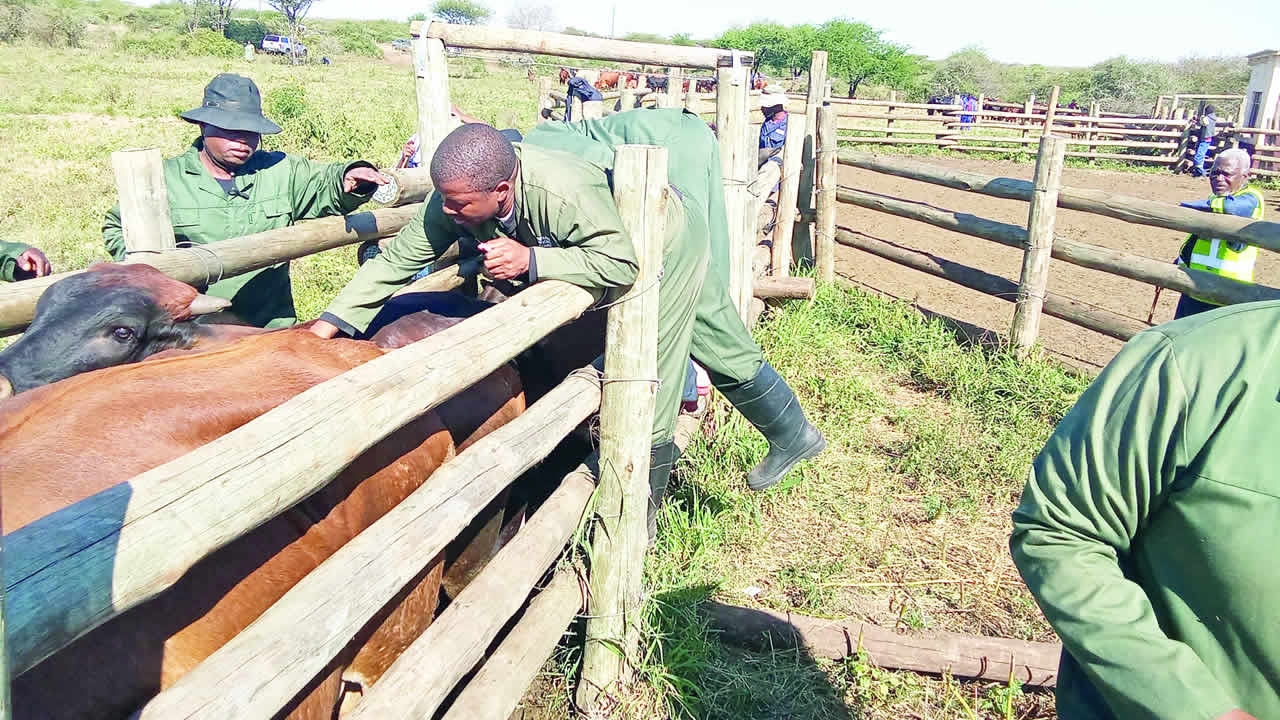
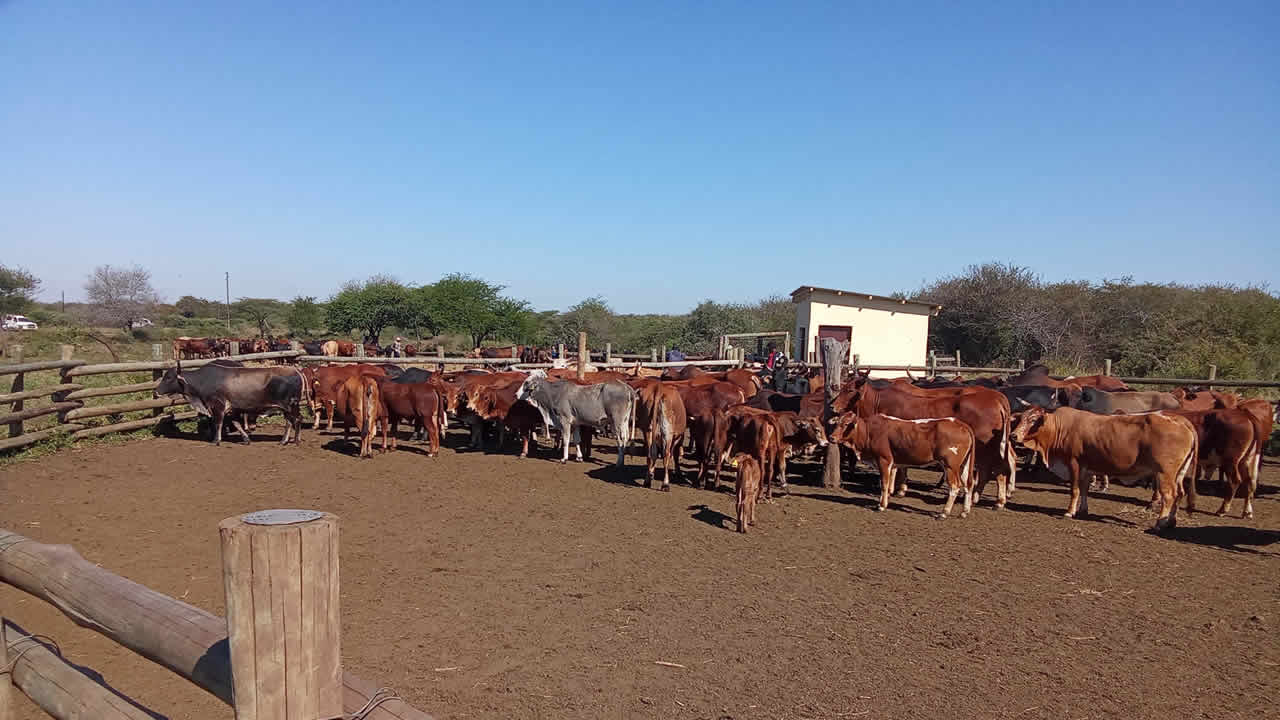
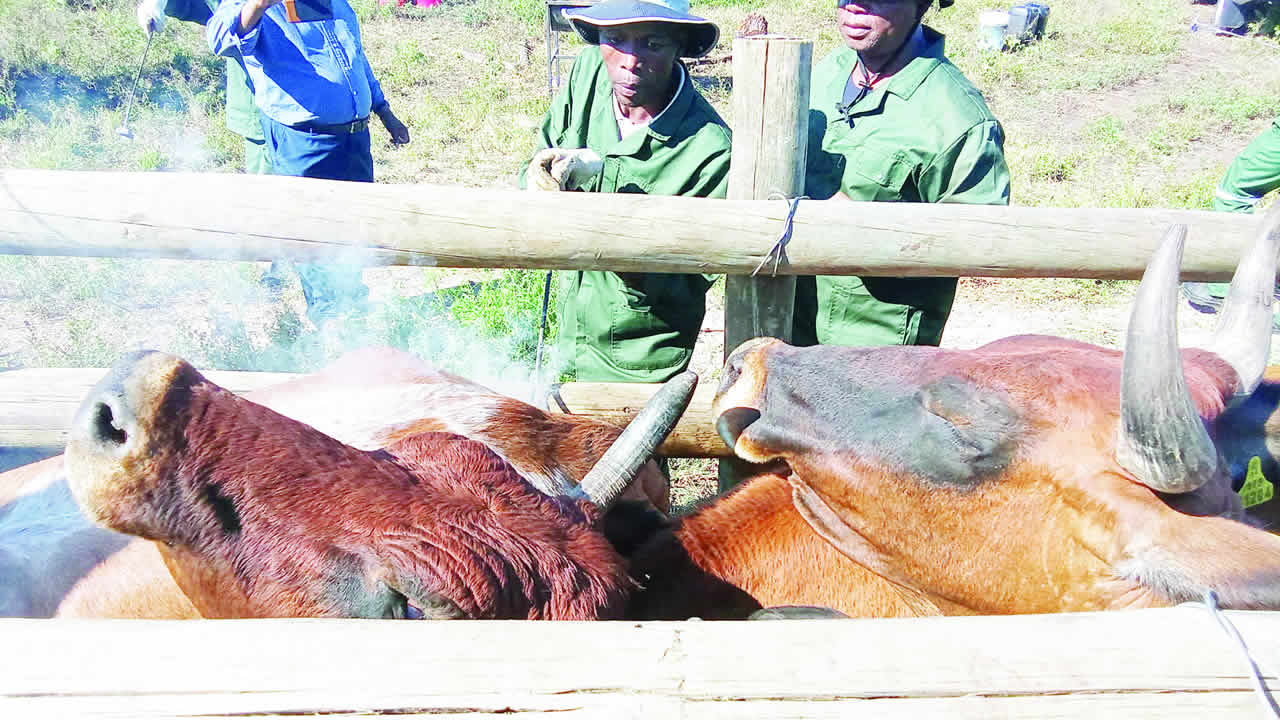
In response to the recent outbreak of Foot and Mouth Disease (FMD) in the country, the Ministry of Agriculture launched the rollout of a new vaccine sourced from the Botswana Veterinary Institute. The vaccination campaign officially began on June 23, 2025, with the first doses administered at one of the dip tanks in Lavumisa, a move aimed at containing the spread of the disease and safeguarding the national livestock industry. During the launch, Principal Secretary Sydney Simelane commended the unwavering efforts of the Department of Veterinary and Livestock Services. In this article, we speak with Dr Thembi Ndlangamandla, the Regional Veterinary Officer for Hhohho, who provides expert insight into the new vaccine, its expected impact and what livestock farmers need to know during this critical phase of disease control.
“The vaccine being used is the Artio Preva FMD Vaccine, manufactured by the Botswana Veterinary Institute. This vaccine works by introducing a harmless (inactivated) form of FMD virus into the animal's body. This stimulates the animal's immune system to produce antibodies, preparing it to recognise and fight off the actual virus if exposed. As a result, the animal develops immunity to the targeted FMD serotype,” said Ndlangamandla.
She went on to add that the vaccine does not cure FMD, but serves as a preventive measure. “It helps protect vaccinated cattle from infection by enabling them to mount an immune response before exposure. In doing so, it limits the spread and severity of the disease in the population. However, immunity takes time to develop, so other control measures remain critical even after vaccination,” she added.
The Artio Preva vaccine is specifically formulated for use in cattle. “It is not indicated for other cloven-hoofed animals such as pigs, goats, or sheep,” shared Ndlangamandla.
How the vaccine is administered
Dr Ndlangamandla shares that the vaccine is administered subcutaneously (under the skin). It is given in two doses:
- First dose on day 0
- A booster dose 30 days later.
“Full protection is expected to develop after the booster dose. Therefore, animals are not immediately protected after the first dose and must continue to be managed cautiously during this period,” she said.
Recommended practices or restrictions farmers must follow after vaccinating
Dr Ndlangamandla shares the following practices:
- Monitor animals for any adverse reactions post-vaccination and report these to veterinary officials promptly.
- Continue kraaling animals at night and avoid exposure to unvaccinated or potentially infected animals.
- Livestock movement restrictions remain in place until lifted by the Veterinary Department.
- Farmers must follow all biosecurity and disease control guidelines to ensure the success of the vaccination campaign.
Why farmers are discouraged from sourcing the vaccine for themselves
Dr Ndlangamandla says that the FMD vaccine is a veterinary-only product, specifically manufactured for Eswatini's outbreak and tailored to the circulating FMD serotype in Shiselweni. She shared that unauthorised use of unregulated vaccines:
- Risks introducing incompatible strains or ineffective serotypes,
- May complicate the outbreak and render official vaccination efforts ineffective,
- Undermines national control strategies.
“Therefore, farmers are strictly advised to participate only in government-coordinated vaccination efforts and refrain from procuring vaccines independently,” she said.
Upcoming vaccination schedule:
The following are dip tanks which will receive the vaccine and vaccination starts promptly at 6am.
Wednesday (Today):
- Mantambe
- Manzawayo
- Sitilo
- Hlalukane
- Tibane
Thursday July 3, 2025:
- Sivule
- Siyaya
- Progress
- Hlalukane
- Tibane












Leave a comment