
THE right to collective
bargaining is protected
under Section 4(1) (e) of the Industrial Relations
Act 2000 (as amended), an Act that aims at promoting among others harmonious industrial relations and freedom of association. Co l l e c t ive bargaining is a process that involves negotiations between a recognised Employee representative and Management representatives. It plays a pivotal role in safeguarding the rights and interests of both the employer and employees. While the primary goal of collective bargaining is to reach a mutual agreementthat benefits both parties, the process requires the management and employee representatives to engage in good faith, bargaining with a genuine intention to reach an agreement. Both parties should be open to compromise in the endeavourto create solutions. Rigidity can hinder the negotiation process,while willingness to give and take is an essential attribute for success.
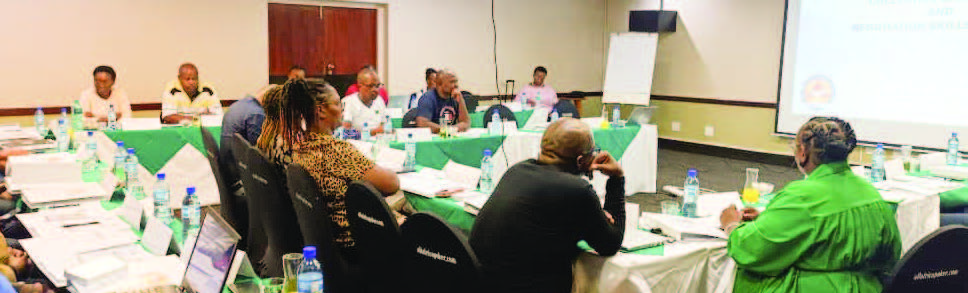
The Conciliation, Mediation and Arbitration Commission (CMAC) is pleased to invite social partners, labour and employers’ organisations, employment
relations secialists, human resource practitioners, union and staff association officials, shop stewards, employees and interested organisations to participate
in its upcoming Public Training Programme on Collective Bargaining and Negotiation Skills, taking place from August
19-21, 2025. This short course is designed to empower delegates with practical knowledge and essential skills in areas of industrial relations. Distinctions The programme will also explore effective collective bargaining, workplace formations, the processes of trade union recognition and
de-recognition, and the critical distinctions between negotiation and consultation. In
addition, delegates will deepen their understanding of the rights and responsibilities
of Management and Union representatives, as well as the
interpretation and application of collective and recognition agreements. Various negotiation approaches will also be examined to enhance participants’
practical competencies.

CMAC to host collective bargaining, negotiation skills training programme

MaMkhize’s Bull faces police test
MBABANE – Shauwn ‘MaMkhize’ Mkhize’s Mbabane Highlanders AM face their sternest MTN Premier League test yet when they meet Royal Leopard at Mayaluka...

Eswatini’s fastest lady honoured at TUT sports awards
MBABANE – Eswatini's fastest lady Bongiwe 'Smolly' Mahlalela has been crowned Sportswoman of the Year at the prestigious Tshwane University of Technology Sports...
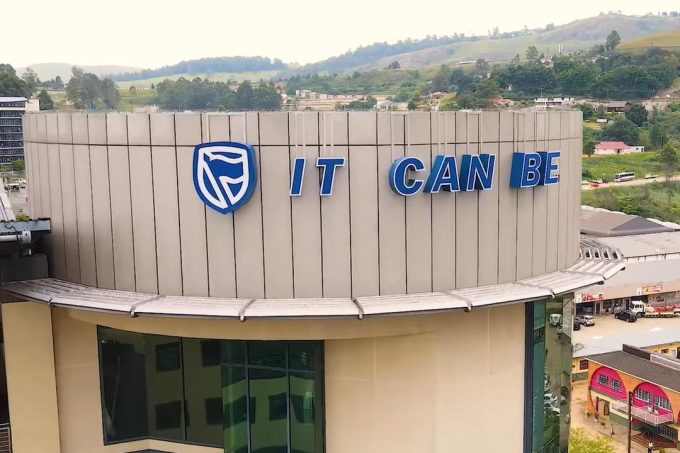
Standard Bank brings back Instant Money
MBABANE - Standard Bank Eswatini is bringing back its Instant Money service, four years after replacing it with Unayo, with customers now being...

Eswatini now imports building blocks
MBABANE – The construction industry and the entire economy of the country are under siege. It has emerged that Eswatini has been importing...
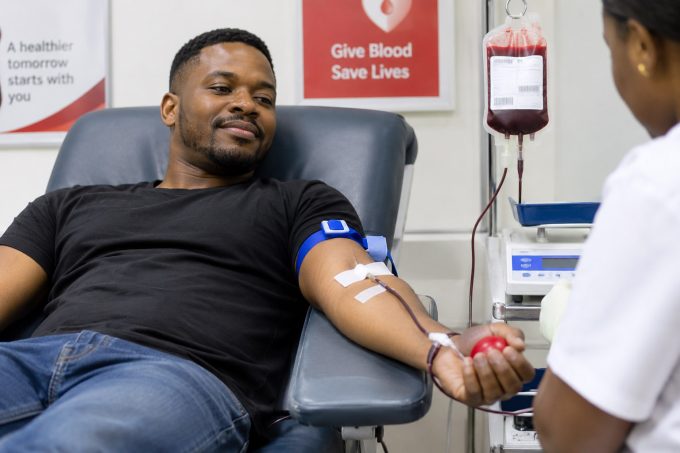
Jehovah’s Witnesses can now donate blood cells
MBABANE - For decades, Jehovah’s Witnesses have refused blood transfusions, but thousands of members in Eswatini now face a significant change. The church...

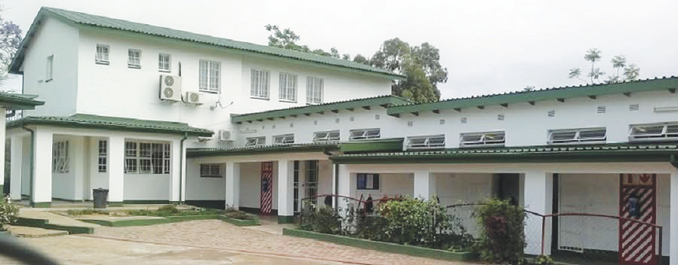
Inkhanyeti School 2027 enrolment opens
Choosing the right educational foundation is one of the most consequential decisions...
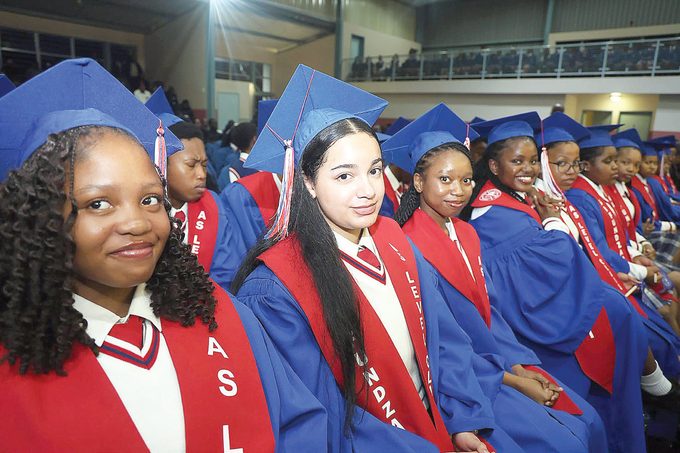
Sifundzani celebrates 30 years of breaking new ground
Thirty years, countless young lives shaped and a legacy built on excellence;...

Harolds Academy marks decade of excellence
Harolds Academy celebrated a major milestone as it marked its 10th anniversary...
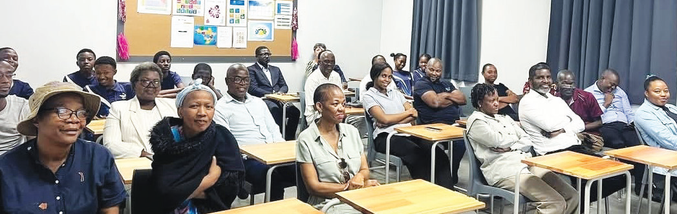
Nkonyeni College to host open day, entrance tests on October 10, 2026
Nkonyeni College, a Christian international high school committed to purposeful learning and...





Leave a comment