

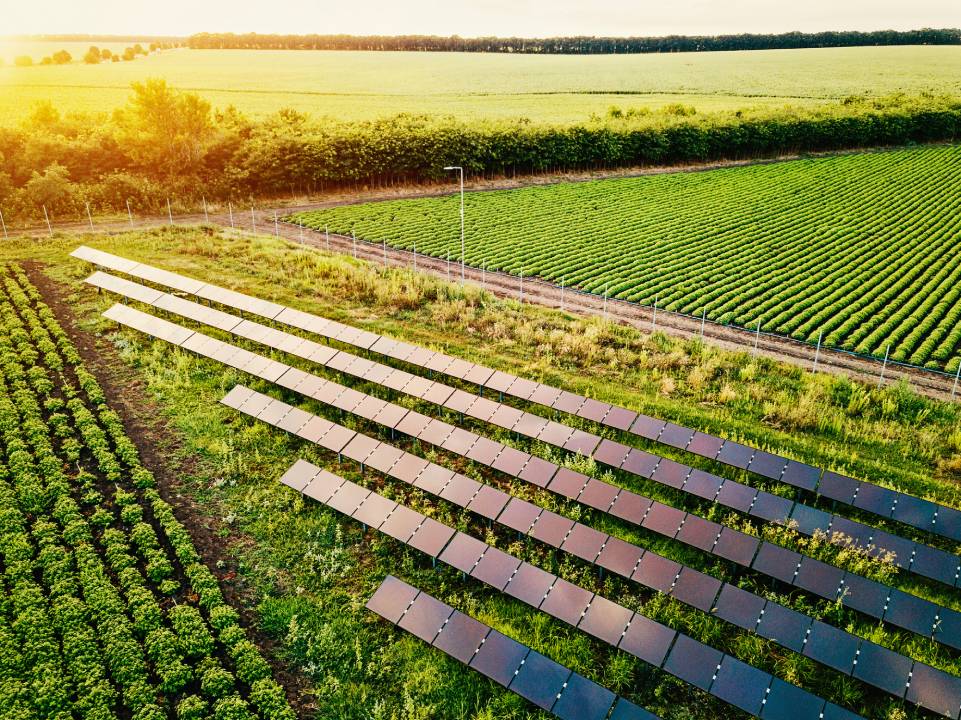
Eswatini, like many nations, stands at a critical juncture. The urgent need to transition to green energy is no longer a distant ideal but an immediate imperative. Reliance on traditional energy sources not only contributes to climate change but also presents escalating costs and unpredictable supply, directly impacting the lifeblood of our economy; the small business sector. Embracing clean, renewable energy isn't just about environmental responsibility; it's a strategic move to build economic resilience, reduce operational expenses and ensure a stable future for all.
With the use of green energy, businesses can lower their business cost. However, most businesses have been skeptical because of the high initial investment.
Bold step towards a low-carbon economy
In a significant stride towards supporting Eswatini’s shift to a low-carbon and climate-resilient economy, the United Nations Development Programme (UNDP), in collaboration with the World Food Programme (WFP) and coordinated by the United Nations Resident Coordinator’s Office, has launched a transformative initiative. This programme is specifically designed to empower micro, small and medium-sized enterprises (MSMEs) across the nation. Its core objective is to help these businesses reduce energy costs, improve productivity and foster sustainable growth through the adoption of clean and efficient energy solutions.
The initiative targets 20 businesses nationwide, offering tailored support to facilitate their transition to cleaner energy use, such as solar power and energy-saving systems. Beyond just energy, the programme will also introduce practical 'circular economy' practices; innovative ways of reusing, recycling and reducing waste within business operations. Furthermore, it supports policy development and builds vital technical skills, with a special emphasis on empowering women, youth and marginalised groups to ensure their full participation in the burgeoning green economy.
Powering Eswatini's workforce
Eswatini’s vibrant small business sector is a major engine of national development, employing a substantial 44 per cent of the workforce, as highlighted by the FinScope MSME Survey (2023). However, many of these enterprises grapple with common challenges; high electricity costs, outdated energy systems and limited access to viable green alternatives. This new programme directly addresses these gaps, equipping businesses to build resilience and become active, crucial players in the country’s fair and inclusive transition to clean energy.
While not all businesses will be selected, those that qualify will receive expert support to assess their specific energy needs, adopt cutting-edge renewable technologies and implement sustainable business models. The Renewable Energy Association of Eswatini, serving as the lead implementing partner, strongly encourages all eligible enterprises to apply and seize this exciting opportunity to lead the way in Eswatini’s green and sustainable future.
Who can apply?
MSMEs across all sectors are encouraged to apply if they are interested in adopting or enhancing the use of renewable energy technologies such as solar power, biomass, biogas and energy-efficient systems.
Eligibility criteria:
• Registered in Eswatini with a valid trading license.
• Annual business turnover between E6 000 and E3 million.
• Must use energy in production (e.g., electricity, gas, wood).
Why should MSMEs apply?
Applying for this programme offers a multitude of benefits for your business:
• Access to clean and affordable energy: Significantly reduce your operating costs by shifting to sustainable energy solutions. This means your business will be less reliant on fossil fuels which will put your business in a better position than other businesses if there is any volatility in the energy market that will affect energy prices.
• Technical and financial support: Receive expert guidance on renewable energy systems and gain access to potential funding or financing options.
• Boost your business efficiency: Improve energy reliability and minimise power interruptions, ensuring smoother operations.
• Be part of the green economy: Align your business with national goals for climate action and sustainability, contributing to a better future.
• Visibility and recognition: Businesses that proactively adopt renewable solutions often gain enhanced recognition and build trust among customers and stakeholders.
How to apply?
The deadline to apply is Friday, August 8, 2025, by 4:30pm. Download the application form here: https://bit.ly/44UzLl3
Submission details:
Email to registry.sz@undp.org or physical submissions of a typed application that can be delivered to UNDP Offices, 4th Floor UN House, Somhlolo Rd in Mbabane or at any SEDCO Office country-wide. For more information, contact Bongiwe Tsabedze at 7621 4394 or Nombuso Dlamini at 7920 9517.















Leave a comment