


In the past weeks, the government has announced that the complete ban of the pesticide popularly known as Masta 900 is edging closer, following growing concerns over its misuse and potential danger to human life. Minister Mandla Tshawuka confirmed that while the product has not yet been banned, the ministry has found legal grounds under the Pesticides Management Act of 2017 to stop its supply entirely.
The move comes after two years of public outcry over the use of Masta 900; particularly alarming reports that it is now being used even on children. The product’s real chemical identity is Methomyl—a highly toxic carbamate insecticide classified as a Restricted Use Pesticide (RUP) and listed under Class 1A, meaning it is extremely hazardous. Methomyl is colourless and odourless, making it almost impossible to detect if used to contaminate food or drinks.
“We have not stopped the supply yet, but there are processes we must follow,” Minister Tshawuka said. “Stopping it completely will include engaging with stakeholders, local farmers and traders of Masta 900.”
Past regulation efforts failed
In 2024, the ministry tried to control sales by introducing permit requirements, age restrictions and mandatory safety training for buyers. However, investigations revealed that these regulations were widely ignored, with the product still sold freely to anyone. While some agro-dealers have voluntarily stopped stocking Masta 900, many continue to sell it openly; prompting the ministry’s decision to move towards a total suspension.
Not just Masta 900
The ban will apply to all pesticides containing Methomyl, not just the brand name that emaSwati are most familiar with. Minister Tshawuka stressed that safer alternatives are available, including the likes of Decis Forte, Orthene and Cypermethrin; many which can be sourced from countries that have already banned Methomyl.
Farmers to be supported in the transition
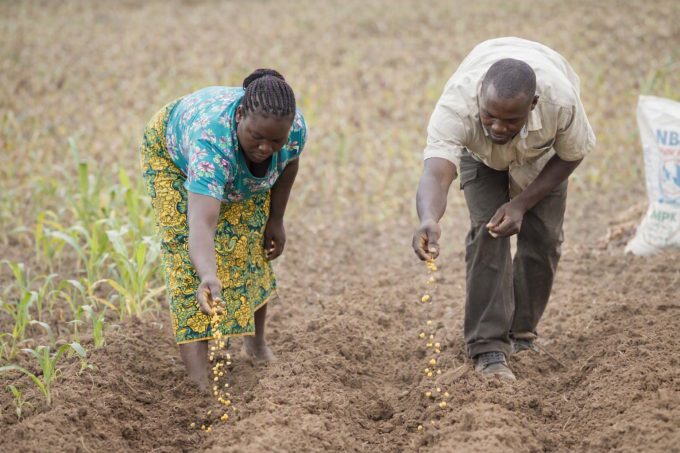
Acknowledging that the change will impact farming practices, the minister reassured farmers that productivity will not suffer if they follow guidance from Extension Officers. “We believe in working hand in hand with farmers, especially during times of change,” he explained. “Our Extension Officers will help farmers transition to these less harmful pesticides that are safer for people and the environment.”
The Ministry’s outreach programme, Taking the Ministry to the People, will continue to raise awareness on Methomyl’s dangers while engaging with farmers and other stakeholders.
Regional and global alignment
Several SADC and European countries have already banned Methomyl due to its high toxicity and Eswatini’s planned move aligns with these international health and safety standards. The Minister concluded by assuring that the upcoming ban is not about crippling farmers, but about protecting lives while ensuring agricultural productivity remains strong.















Leave a comment