

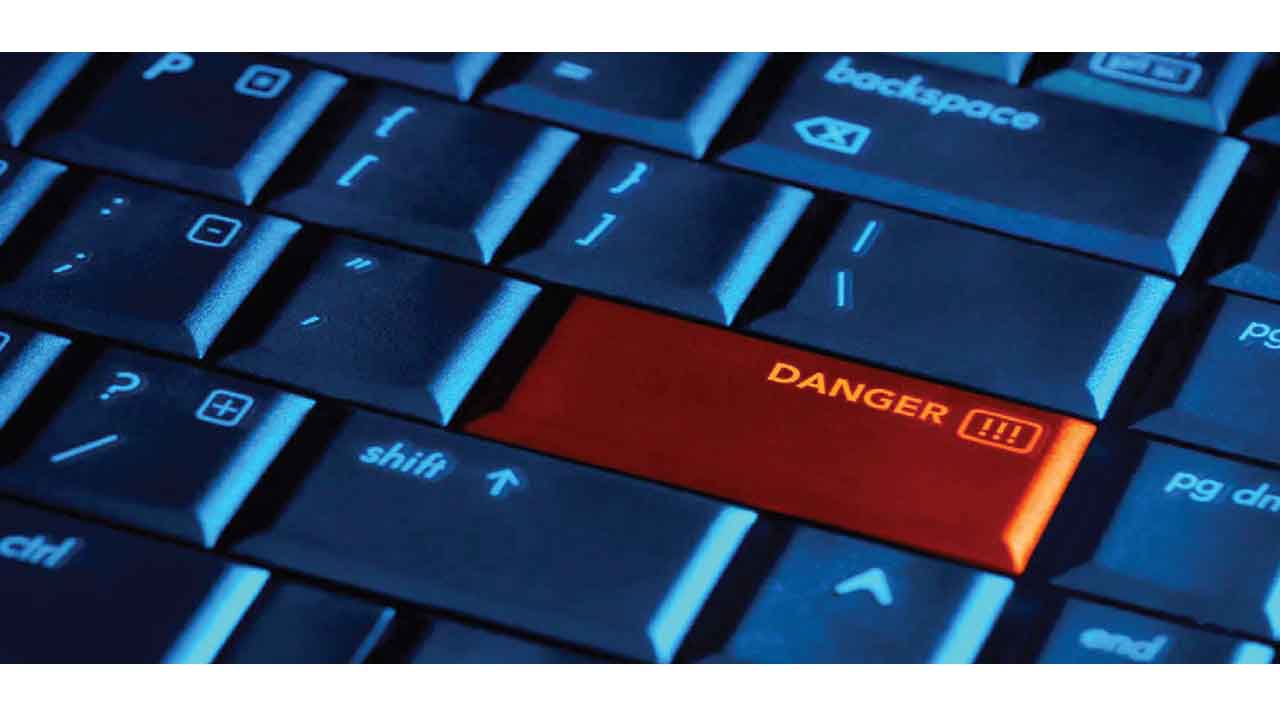
Artificial intelligence has become the Swiss Army knife of modern work; automating tasks, answering questions and even generating content in seconds. But for all its promise, AI isn’t perfect. In fact, misusing it in the wrong places can lead to serious risks, from legal troubles to lost customers.
HERE ARE NINE TASKS WHERE AI COULD DO MORE HARM THAN GOOD:
- Legal advice
AI may sound confident, but it can generate completely fake laws or misinterpret existing ones. Only licensed legal professionals should handle sensitive legal matters.
- Medical recommendations
While AI can summarise health info, it’s not a substitute for trained medical judgment. Misuse can lead to misinformation or worse, dangerous outcomes.
- Crisis communication
When something goes wrong, empathy and nuance matter. AI-generated apologies or statements often come across as robotic or tone-deaf.
- Customer service escalations
AI is useful for FAQs, but not for handling angry or distressed customers. Poor responses can turn minor issues into PR disasters.
- Performance reviews
Automated assessments can introduce bias or overlook human context. Relying on AI here risks alienating employees and damaging morale.
- Hiring decisions
Some tools claim to predict a candidate’s potential, but AI can reflect or amplify biases in hiring data. This opens the door to discrimination and legal scrutiny.
- Reviewing or writing contracts
Contracts are designed to be detailed and specific agreements on how two parties will interact. They are considered governing documents, which means that writing a bad contract is like writing a bad code.
Bad things will happen. Do not ask AI for help with contracts. They will make errors and omissions. They will make stuff up.
- Creative strategy
AI can help brainstorm, but true innovation needs human insight. Over-relying on AI can result in bland, copycat campaigns.
- Confidential communication
Plugging sensitive info into public AI tools can expose proprietary data. Once it’s out, you can’t get it back.
AI is here to stay and when used wisely, it’s a powerful tool. But not every task is meant for a machine. In these nine areas, human expertise still matters most.

















Leave a comment