

It doesn’t always come with a flashing red light. Sometimes no rash, no discomfort, no discharge. In fact, for many people living with a sexually transmitted infections (STIs), there are no symptoms at all, especially in the early stages.
That’s the tricky thing about sexual health: It often whispers when you expect it to shout. According to the World Health Organisation (WHO), over one million STIs are contracted every single day, most of them silently.
In Eswatini, STIs remain a public health concern, yet the conversation is still clouded by stigma, silence and shame. But here’s the truth: Your sexual health deserves your attention, whether or not you have symptoms.
For Sexual Health Month this September, ask yourself this important question: When was the last time you got tested? You don’t need to feel sick or assume something is wrong. Knowing your status is simply a key part of sexual wellness.
The silent risks of STIs
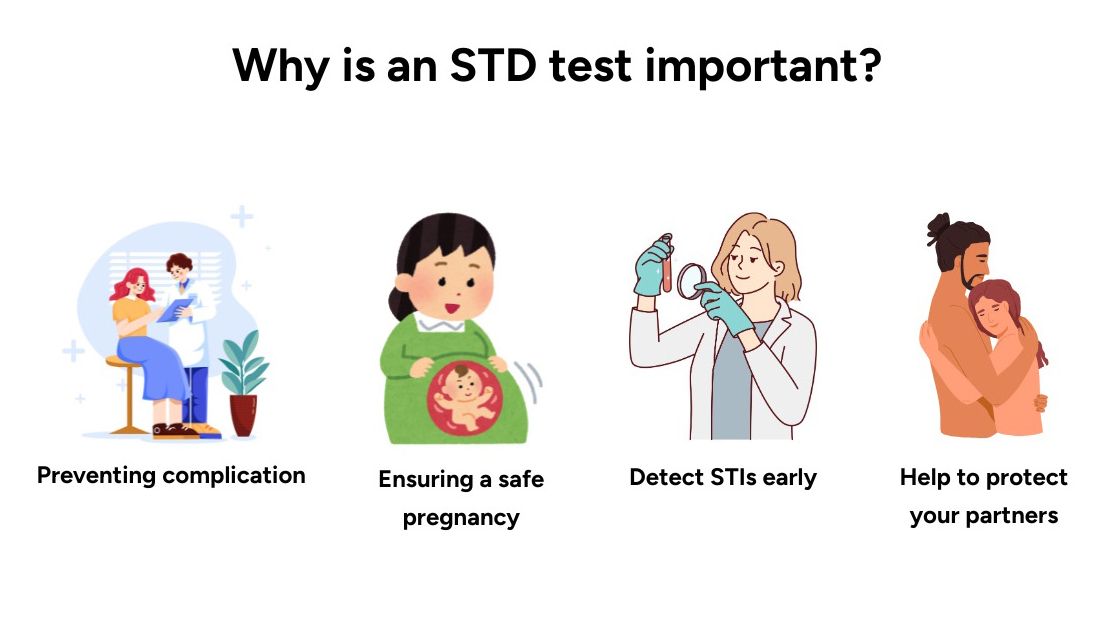
We’re often conditioned to believe that if there’s no pain, there’s no problem. Though with STIs, silence isn’t safety. Many infections remain asymptomatic for years, quietly increasing risks like infertility, pregnancy complications or even long-term health issues. This is why proactive testing isn’t just important, it’s essential.
So, why test even if you feel fine? Here are five reasons:
- You’ve had unprotected sex (even just once): Whether it’s a heat-of-the-moment decision or a condom mishap, the risk is real and it’s not just HIV; chlamydia, gonorrhoea, syphilis and HPV are widespread too.
- You’ve started seeing someone new: STIs can linger undetected from past relationships. Testing is about responsibility and building trust.
- You’re considering stopping condoms or starting a family: Some STIs can affect fertility or pregnancy. Screening ensures you take this step with confidence.
- You’ve noticed physical changes (even small ones): Unusual discharge, discomfort or itching may seem minor but could be early signs.
- It’s been over a year since your last test: Regular testing is part of routine health care, just like a pap smear or cholesterol check.
Breaking the stigma around testing
Sexual health isn’t about guilt or blame, it’s about empowerment. In a world where so many young adults contract STIs before 25, testing should be seen as essential, not optional.
STI testing isn’t about fear, it’s about freedom, freedom from uncertainty, freedom to plan your future with confidence, freedom to enjoy intimacy without doubt.
Unfortunately, shame is still louder than science.
In many households, sex remains a taboo topic. Conversations about STIs are often brushed aside, leaving people afraid to step forward and get tested. That silence fuels the spread of infections.
Normalising sexual health conversations can break this cycle. Testing should be treated like any other aspect of wellness, no different from brushing your teeth or exercising.
Making testing easier
Getting tested should never feel awkward. Today, there are more options than ever to make the process simple, private and stigma-free, whether that’s visiting a clinic or accessing confidential services that prioritise your comfort.
At the end of the day, knowing your status is about peace of mind, not fear. It’s about taking control, protecting yourself and protecting the people you care about. Being healthy isn’t about assuming you’re fine, it’s about knowing you are.




















Leave a comment