

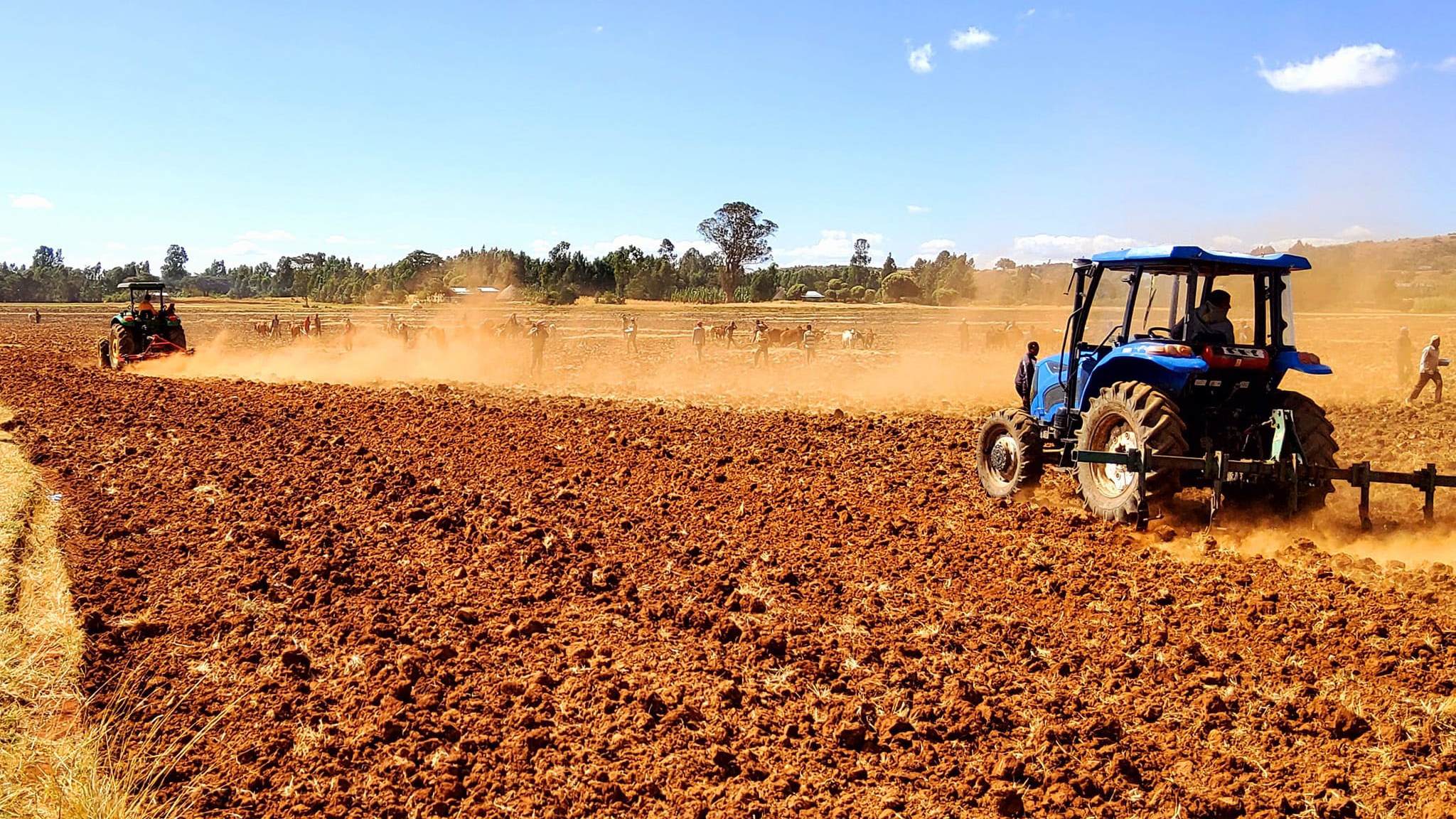
Successful crop production begins long before seeds are planted. It starts with how the land is prepared and managed.
Soil Science and Plant Nutrition Research Officer in the Department of Agricultural Research and Specialist Services at the Ministry of Agriculture Bongani Mvubu, mentions that proper land preparation improves soil health, increases yields, reduces labour costs and creates favourable growing conditions for crops.
“In today’s changing climate, sustainable methods such as minimum tillage are increasingly important for conserving soil fertility and moisture while still ensuring good harvests. This approach also contributes to climate change mitigation through carbon sequestration,” said Mvubu.
1. Importance of proper land preparation
Mvubu describes land preparation as the process of making the soil ready for planting through clearing, levelling, loosening and improving the soil texture. He says that well-prepared land ensures:
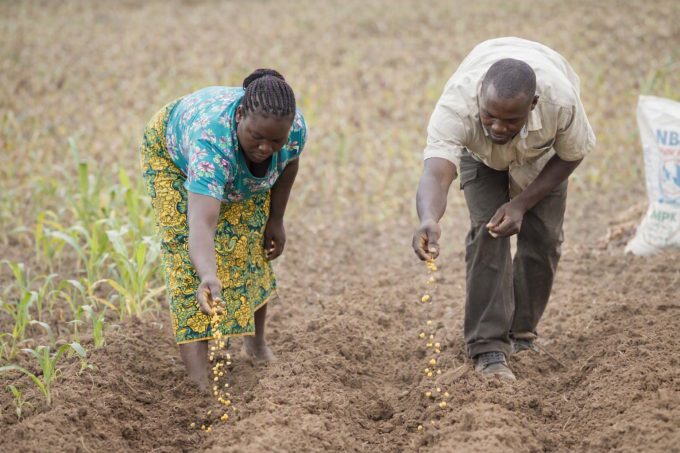
- Good seed-to-soil contact for uniform germination.
- Reduced weed, pest and disease pressure.
- Better root penetration for stronger, healthier plants.
- Improved water infiltration and drainage, reducing erosion and waterlogging.
- Enhanced nutrient availability through proper incorporation of organic matter and fertilisers.
“Neglecting proper land preparation often leads to poor crop stands, low yields and wasted inputs,” he shared.
2. Key steps for proper land preparation
To achieve the best results, Mvubu says farmers should follow these steps:
Clearing the land: Remove weeds, shrubs and crop residues. Instead of burning residues, use them as mulch or organic matter to enrich soil health.
Soil testing: Collect soil samples (0–20 cm deep) from different areas of the field and send them to a laboratory for analysis. Results guide fertiliser and lime application.
Ripping: Soil ripping is a land preparation technique used to break up hard or compacted soil layers (also called hardpans) using a ripper or subsoiler. Ripping penetrates deeper, usually 30 to 60cm, loosening the soil and improving root penetration, water infiltration and drainage and reduces soil compaction.
Removing stones: Stone removal is an important step in preparing land for crop production, especially in fields where soils are naturally stony or where rocks have surfaced over time. Stones can interfere with farm operations and crop growth if not managed properly. Stones damage ploughs, planters and other machinery, increasing repair and maintenance costs. Stones prevent proper seed placement and root development.
Ploughing or tilling (when necessary): Loosen soil for aeration and root penetration. On fragile soils, reduced tillage is recommended to prevent degradation.
Levelling the field: Ensures uniform water distribution, reduces erosion and eases planting operations. Incorporating organic matter: Apply compost or manure to boost nutrients and improve soil structure.
Row marking and spacing: Align planting rows based on crop requirements (e.g., maize: 90cm between rows and 25cm within rows) to minimise competition and promote healthy growth.
3. Common challenges in land preparation & solutions
Farmers often face obstacles such as:
Limited access to machinery: Many smallholders cannot afford tractors.
- Solution: Form farmer groups to hire machinery, use animal-drawn implements or access government/co-operative hire schemes.
High input costs: Fertiliser, lime and herbicides may be expensive.
- Solution: Use compost, cattle manure, green manure and crop residues as low-cost alternatives.
Soil erosion on slopes: Ploughing up and down slopes accelerates soil loss.
- Solution: Adopt contour ploughing, strip cropping, terracing or cover cropping. Plant grasses like vetiver grass (Chrysopogon zizanioides L.) on the contour lines to prevent erosion.
Unpredictable weather: Erratic rains disrupt preparation.
- Solution: Start preparation early, store rainwater and use climate-smart practices like mulching and conservation tillage. Always refer to weather apps for information.
Weed regrowth: Fast-growing weeds outcompete crops.
- Solution: Weed early and use cover crops or mulching to suppress growth.
4. Importance of timely land preparation
Preparing land before the rains or immediately after the first showers is critical because it enables:
- Early planting: Farmers can sow with the first effective rains, maximising the growing season.
- Better weed control: Early preparation destroys weeds before planting.
- Improved germination: A well-prepared seedbed ensures uniform emergence.
- Reduced pest and disease risk: Early preparation disrupts pest life cycles.
- Higher yields: Crops planted on time in well-prepared fields grow vigorously and yield more.
















Leave a comment