

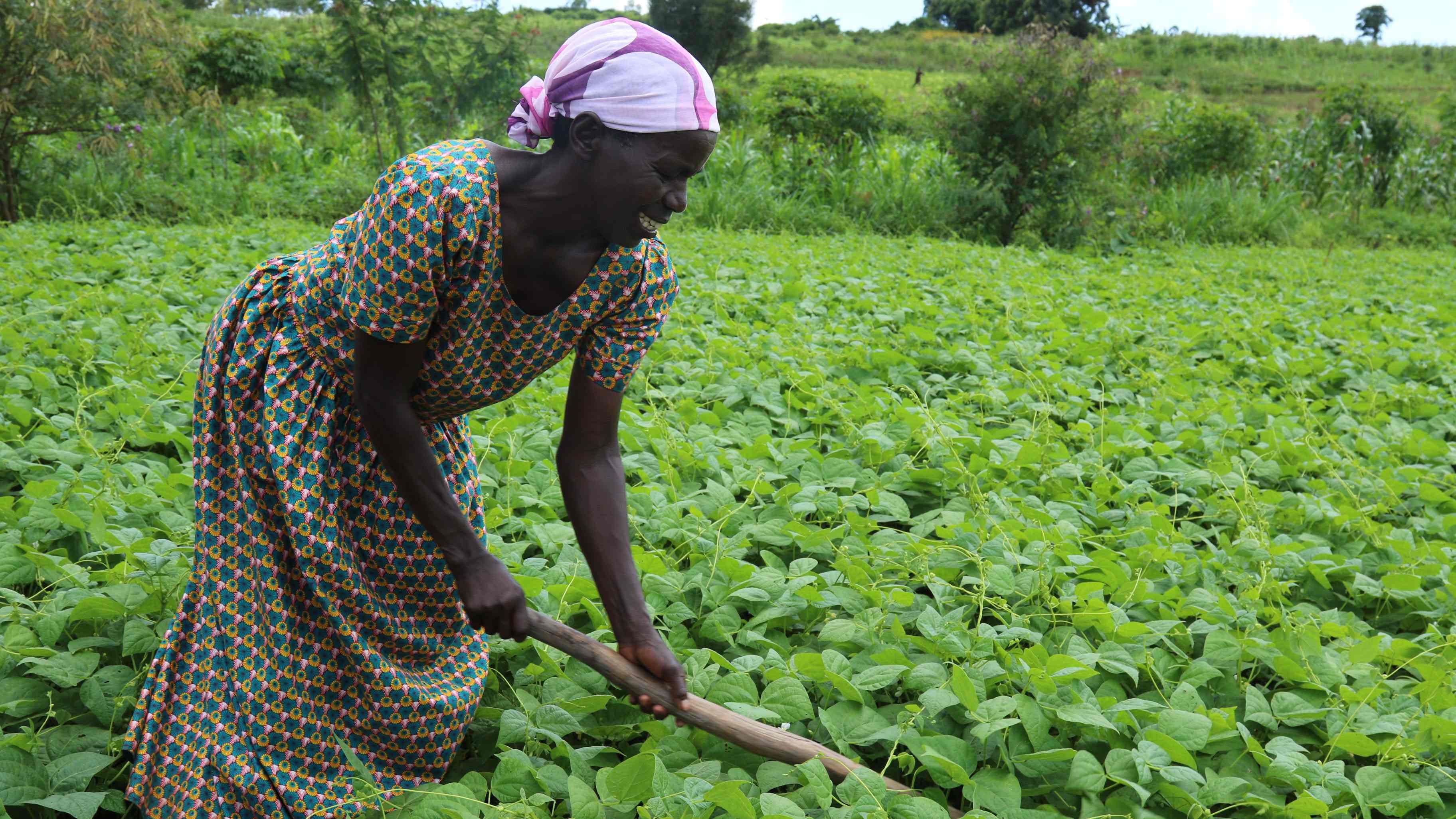
Weeds remain one of the most major challenges in crop production, particularly in Eswatini where they contribute to major yield losses.
They emerge faster and grow more aggressively than cultivated crops, especially during the vegetative and early reproductive stages. Weed Scientist Ncomiwe Maphalala mentions that this rapid growth allows weeds to outcompete crops for essential nutrients, sunlight, water and space.
Beyond direct competition, weeds also compromise seed purity, serve as alternate hosts for pests and diseases and hinder various agricultural operations. Agricultural losses caused by weeds range from 10–70 per cent, with total crop failure possible when weed infestations are severe and diverse.
The extent of damage depends on the weed species present, severity of infestation and its timing.
The importance of weed management
Many farmers underestimate the impact of weeds, often focusing on other farming practices, while overlooking weed control. Weed management aims to reduce weed interference and shift the competitive advantage in favour of the crop rather than seeking complete weed eradication.
Weeds that emerge late in the season contribute to future infestations through seed production and interfere with harvesting. In beans, yield reduction may range between 20–60 per cent during the post-emergence stage when weeds are not controlled. Effective weed management is, therefore, essential for increasing crop productivity and profitability.
Understanding the critical period of weed control
The Critical Period of Weed Control (CPWC) refers to the specific timeframe when weed competition causes the greatest threat to crop yield.
Managing weeds during this stage ensures crops have the best chance to grow and perform well. For common beans, weeds present during the first 30–60 days after planting can cause 15–30 per cent yield loss.
The CPWC ranges from 20 to 42 days after planting, meaning weed control should begin no later than day 20 and continue to day 42. Other crops have different CPWC windows: 2–6 weeks after sowing for maize, 21–42 days for sorghum, 15–30 days for wheat and 28–42 days after planting for sweet potato. Cultivar type, climate, weed density and dominant weed species influence this period.
Safety and environmental protection
Safety must be prioritised when handling herbicides. Farmers should always wear protective clothing, store chemicals safely away from children, avoid spraying near water sources and seek expert guidance when unsure about proper usage.
Effective weed management is vital for ensuring high crop yield and quality, especially for smallholder farmers depending on agriculture for food and income.
Understanding the critical weed control period, identifying field weed challenges and implementing a combination of cultural, mechanical, chemical and integrated methods will support healthier fields and sustainable production. By consistently applying smart weed management strategies, farmers can reduce losses, maintain better soil health and improve food security both at household and national levels.
For more information: maphalalancomiwe@gmail.com

















Leave a comment