

We often refer to HIV as a singular virus, but there are several mutations or subtypes, each requiring a unique treatment combination.
When a virus enters the body, it begins to replicate, meaning it makes more of itself. This often creates imperfect copies or adaptations to survive, thus creating mutations or subtypes.
HIV-1 versus HIV-2
There are two different types of HIV, called HIV-1 and HIV-2. These are two distinct types with more than 55 per cent genetic difference.
HIV-1 is predominant (95 per cent of all infections), whereas HIV-2 is mainly found in western Africa, doesn’t transmit from one person to another as well as HIV-1, may progress more slowly and is resistant to some types of antiretroviral treatments.
Groups and subtypes
- HIV-1 viruses can be further classified into groups and subtypes based on 25–35 per cent genetic differences:
- Group M (major): Contributes to the majority of HIV cases worldwide and has subtypes ranging from A to K.
- Group N
- Group O
- Group P
HIV-2 viruses can also be divided into different groups, ranging from A to I. Only Groups A and D have been found circulating in humans.
Can you contract more than one strain?
It’s possible to contract more than one strain of HIV and that is called superinfection. When superinfection occurs, the new strain can either replace or coexist in the body along with the original strain and can impact HIV treatment. This is because the new virus may be resistant to the antiretroviral treatment that a person is currently taking.
It’s also possible for two or more subtypes of HIV to recombine with each other when a person contracts two different subtypes of HIV.
A hybrid (recombinant) virus is then produced and can be transmitted to another person.
HIV subtype testing
The first type of test that’s recommended is an antigen/antibody test. This test uses a small sample of blood to detect antibodies to HIV-1 and HIV-2. It doesn’t indicate which type of virus is present.
To do this, another test is needed to differentiate between the two types of antibodies. Discovering whether an individual has contracted HIV-1 or HIV-2 is important. This is because treatment of HIV-2 can be different than HIV-1.
Treating HIV
We now have many types of HIV antiretroviral treatment combinations available. The standard antiretroviral treatment combinations work well against different groups and subtypes of HIV-1.
However, some strains of HIV can be resistant to certain treatment combinations and require drug resistance testing to help determine an effective treatment plan.
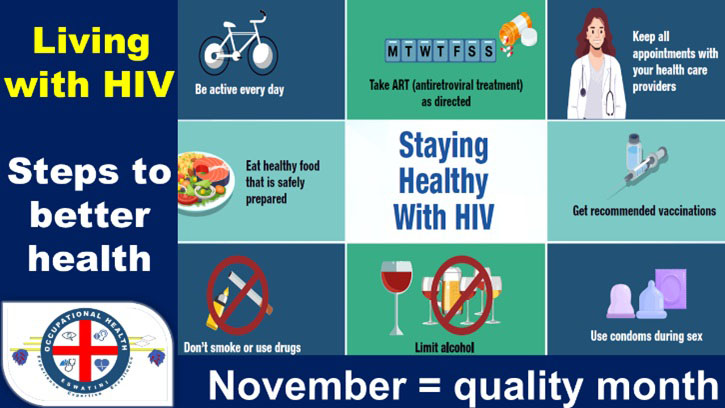
Taking antiretroviral medications each day as directed can reduce viral load to undetectable levels in 6 months or less.
Not only can having an undetectable viral load keep the immune system healthy, but it can also prevent transmission of HIV to others.
Additionally, continuing to take antiretroviral drugs as directed can help to prevent a superinfection from occurring.
Follow The Times of Eswatini (X) and dr.thys (Instagram) for more health hacks. Send queries to ohesmngr@gmail.com




















Leave a comment