

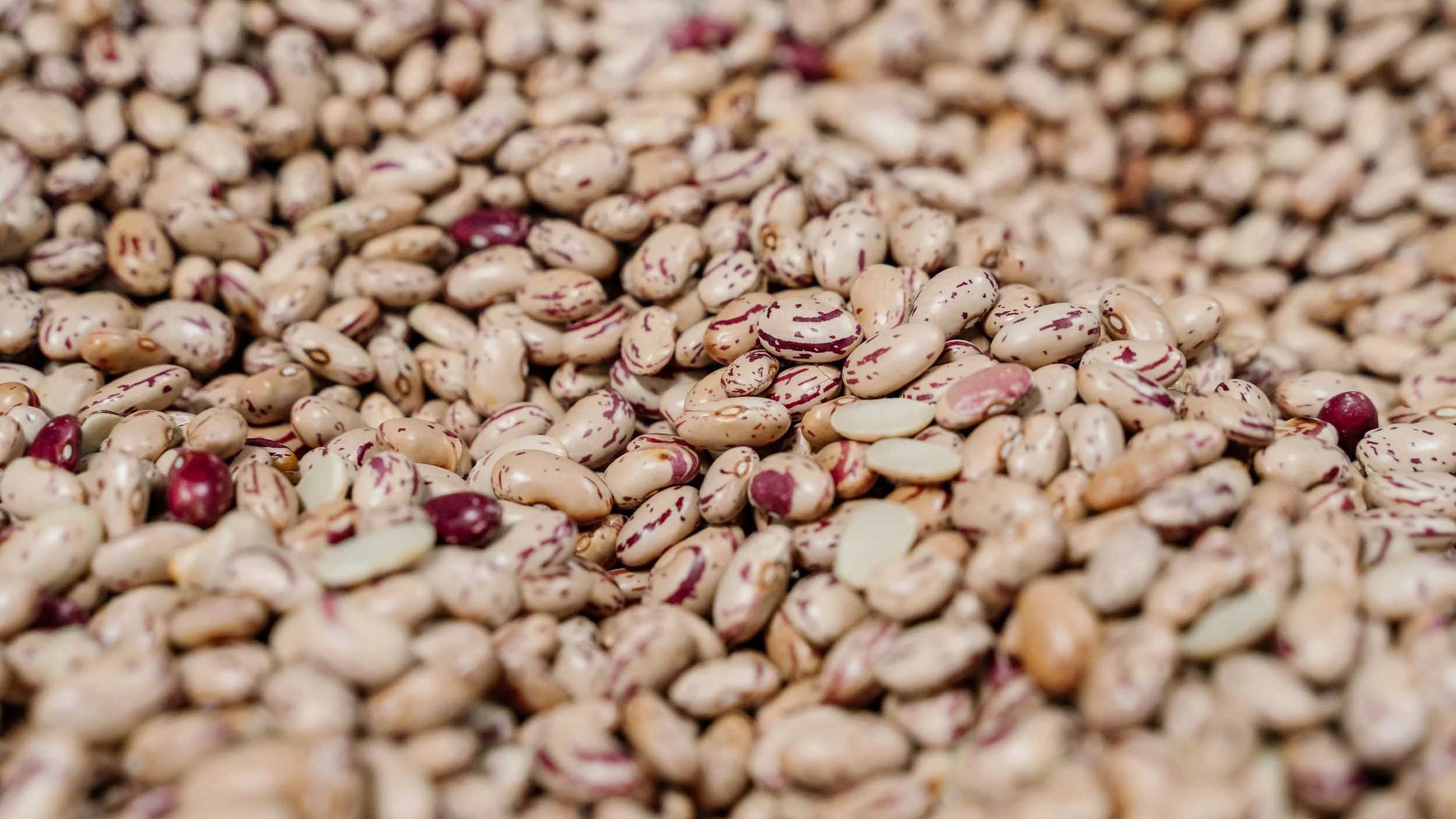
This time of the year presents one of the most strategic and promising windows for common bean production in Eswatini, one that farmers and agribusiness actors cannot afford to overlook.
With favourable, moderate temperatures and improving soil moisture across many agro-ecological zones, conditions are aligning at a moment when demand for affordable, nutritious food is rising sharply.
Soil Science and Plant Nutrition Research Officer and Research Officer Nicholas Manana mention that beans stand out not only as a climate-smart crop, but also as a nutritional and economic lifeline: They are rich in protein (20–25 per cent), dietary fibre and essential micronutrients such as iron and zinc; they improve soil fertility through nitrogen fixation; require relatively low external inputs; and mature within a short period, making them suitable for both smallholder and commercial farmers.
“At a time when households are grappling with high food prices and climate uncertainty, prioritising bean production now is not merely an agronomic choice it is a smart national investment in food security, improved nutrition and resilient livelihoods.” The officers take us through a comprehensive guide for bean production:
Climatic requirements
Temperature: Common beans are warm-season annual crops. Optimal temperatures for germination and growth range around 18°C. Growth slows significantly below 10°C and frost can cause severe damage. Temperatures above 30°C during flowering and pod formation can lead to flower abortion and poor pod set. Day temperatures below 20°C delay maturity and may result in empty pods. Beans perform best under full sunlight.
Rainfall: Beans require a total seasonal rainfall of about 600–650mm, well distributed throughout the growing season. A minimum of 400mm is required if rainfall is well timed during critical growth stages. Dry bean production is most successful in areas where rainfall is light towards maturity and harvesting stages to reduce disease and post-harvest losses.
Soil requirements
Beans grow best in light, well-drained soils such as sandy loam, sandy clay loam or clay loam with less than 30 per cent clay content. The optimal soil pH ranges from 5.2 to 6.5, as beans are sensitive to both acidic and alkaline conditions. Soils should be deep (up to 0.9m), free from compaction and without nutrient deficiencies. Beans do not perform well in soils with high nematode populations and water-logged environments.
Varieties and classification
Common beans are classified into groups such as:
- Red speckled sugar beans
- Red mottled beans
- Small white, reds, blacks, yellows
- Growth habits include:
- Determinate types
- Indeterminate types
Locally available varieties include: AS 148, AS 9216, Kranskorp (Makhuluskobho), CAP 2000, Lake 101 (Cambamanga), and NUA 45 (bio-fortified) (Njengenyama). Farmers are encouraged to select certified, disease-free seed suited to their agro-ecological zone.
Seed and fertiliser
requirements
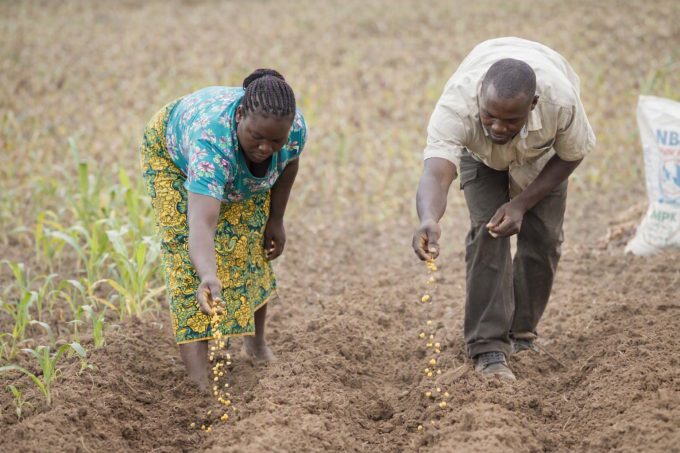
Seed rate ranges from 70–100kg/ha depending on seed size and spacing. Use of certified seed ensures good germination and uniform crop stand.
Fertiliser application should be guided by soil test results.
Recommended basal applications include:
- 250 kg/ha of 2:3:2 (22) or
- 150 kg/ha of 2:3:2 (37)
Side dressing may be applied at 100–150 kg/ha LAN where necessary. Excess nitrogen should be avoided as it promotes vegetative growth at the expense of grain yield.
Planting dates and spacing
Recommended planting periods:
- Highveld: October – February
- Middleveld: January – March
- Lowveld: February – March; July under irrigation
Spacing:
Row spacing: 45–60cm
Plant spacing: 7.5–10cm
Planting depth: 5–7cm
Target plant population ranges from 166 000 to 296 000 plants per hectare.
Land preparation and planting considerations
A fine to medium tilth, weed-free seedbed with minimal clods is essential for good germination. Land preparation can be conventional or under minimum tillage systems.
Key considerations before planting include:
- Adequate soil moisture and temperature
- Avoidance of heavy rains that cause soil crusting
- Suitable length of growing season
- Use of seed dressing to control early seedling diseases
- Crop rotation to reduce pest and disease build-up
Moisture management
Critical moisture stages include:
- At planting (30–40mm)
- Flower initiation
- Pod formation
- Water is not required once plants begin to yellow and approach maturity.
Weed management
Beans are weak competitors against weeds, particularly during early growth stages. Fields should be kept weed-free for the first five weeks after planting to ensure good yield.
Weed control strategies include:
- Preventative: Clean seed, clean implements, uncontaminated irrigation water
- Mechanical: Hand hoeing, cultivation, slashing
- Cultural: Optimal plant population, planting dates, mulching
- Chemical: Pre-emergence (e.g. Metolachlor/Dual Magnum) and post-emergence herbicides (e.g. Basagran, Hornet)
- Biological control where applicable
Harvesting and storage
Beans are harvested when pods are dry turning brown or khaki and plants have turned yellow. Harvesting should be done under dry conditions to minimise grain losses and mould development.
Beans should be properly dried, cleaned and stored in well-ventilated, pest-free facilities.
Main challenges
Common challenges in dry bean production include:
- Limited access to quality seed
- Inadequate production equipment such as planters and harvesters
- Erratic weather patterns due to climate change
- Limited access to finance and inputs.













Leave a comment