

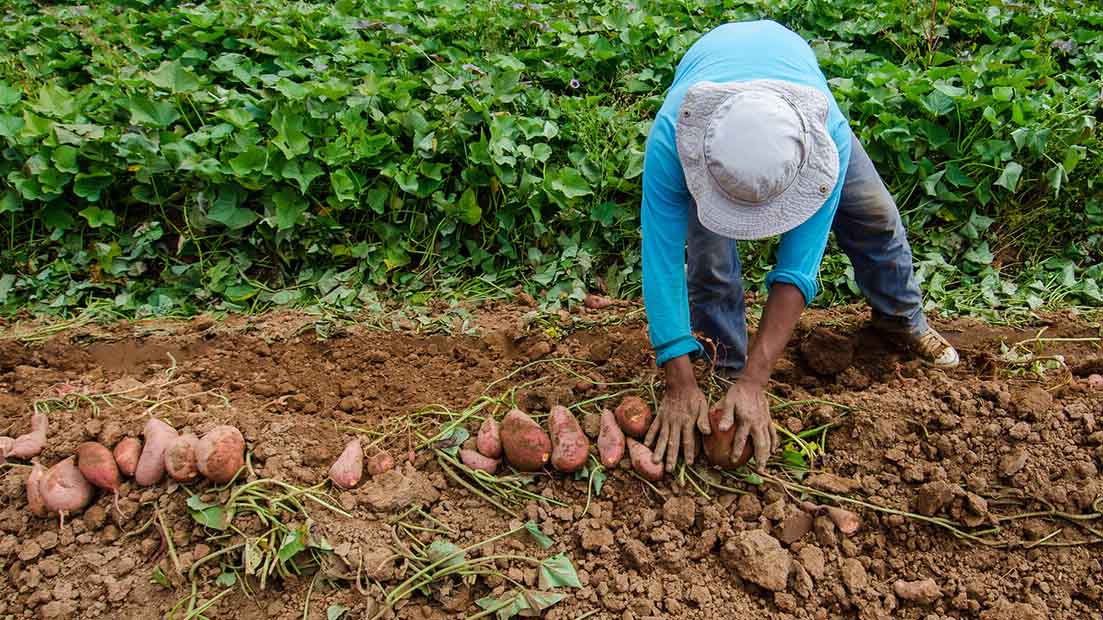
As climate change reshapes rainfall patterns, raises temperatures and increases the frequency of droughts, farmers in Eswatini and across Southern Africa face growing production risks.
Traditional staple crops such as maize are highly sensitive to rainfall variability, making it essential to invest in more climate-resilient alternatives.
According to Soil Science and Plant Nutrition Research Officer in the Ministry of Agriculture Bongani Mvubu, the sweet potato (Ipomoea batatas) has emerged as one of the most reliable crops for strengthening food systems.
“Its ability to withstand heat, tolerate short-term drought and produce reasonable yields under low-input conditions makes it a key climate-smart crop for crop diversification, food and nutrition security and livelihood improvement in Eswatini,” said Mvubu.
Sweet potato production enables farmers to better utilise favourable rainy seasons, stabilise household food supplies and build resilience against climate variability, while also creating income opportunities through local markets and value addition.
Agro-ecological zone suitability
Sweet potato is well suited to Eswatini’s diverse agro-ecological zones due to its adaptability:
Middleveld and Lowveld: Highly suitable because of warm temperatures and longer frost-free periods.
Highveld: Suitable in warmer pockets and during warmer planting seasons.
Performs best in warm, frost-free environments with good sunlight.
Compared to maize, sweet potato is more tolerant to moisture stress and can still produce harvestable roots when rainfall is below normal, making it an important food security crop for smallholder farmers.
Soil requirements
Sweet potatoes perform best under the following soil conditions:
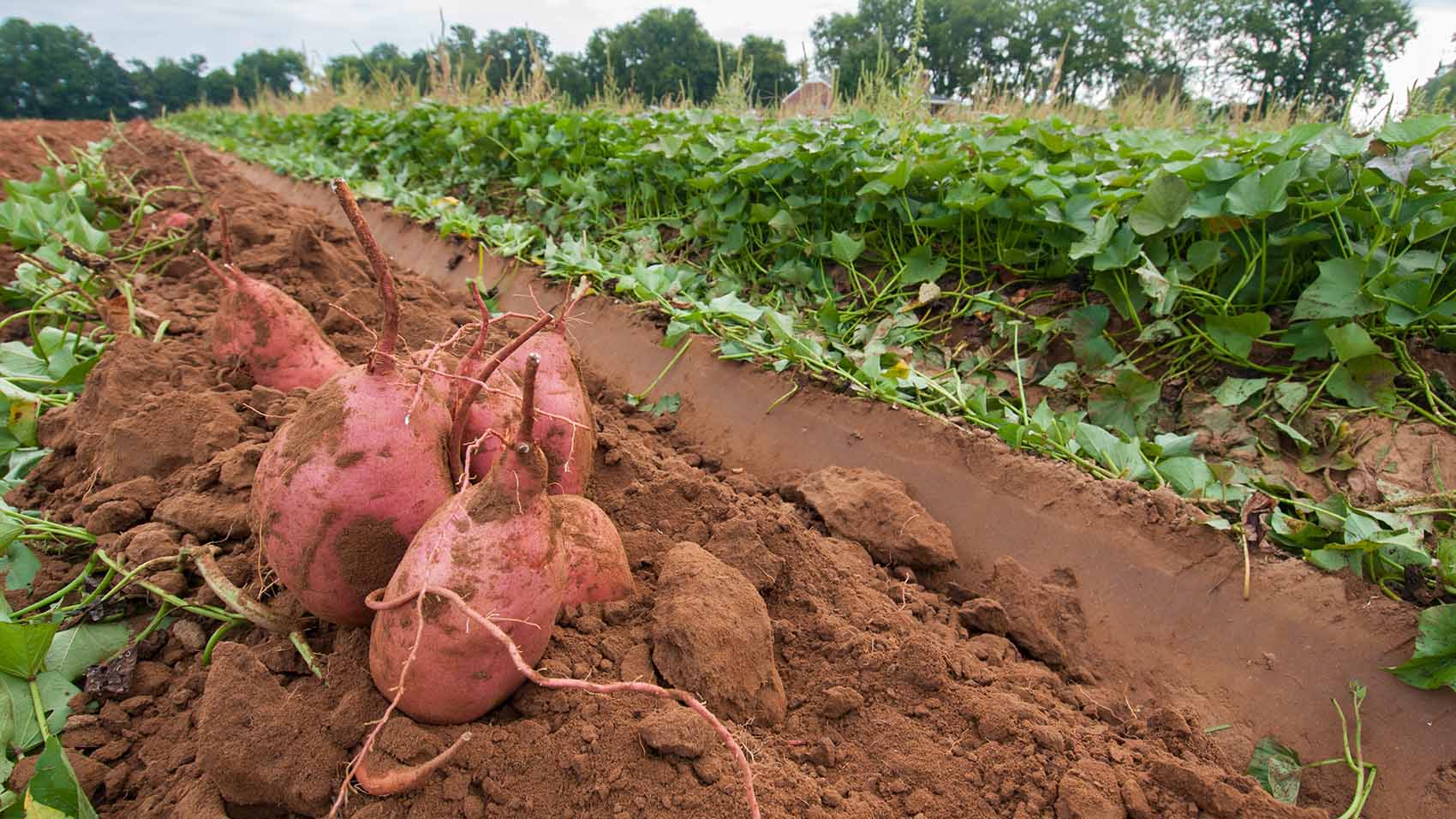
Texture: Sandy loam to loam soils
Drainage: Well-drained soils are essential; the crop does not tolerate waterlogging
Soil pH: 5.5–6.5 (slightly acidic to neutral)
Organic matter: High organic content improves root initiation and bulking
Soils to avoid:
- Heavy clay soils
- Compacted soils
- These conditions restrict tuber formation and reduce yields.
- Terrain/slope requirements
- Best grown on flat or gently sloping land (0–8 per cent slope)
- Raised ridges or mounds recommended to:
- Improve drainage
- Enhance root development
Steep slopes should be avoided to minimise soil erosion and moisture loss.
Rainfall requirements
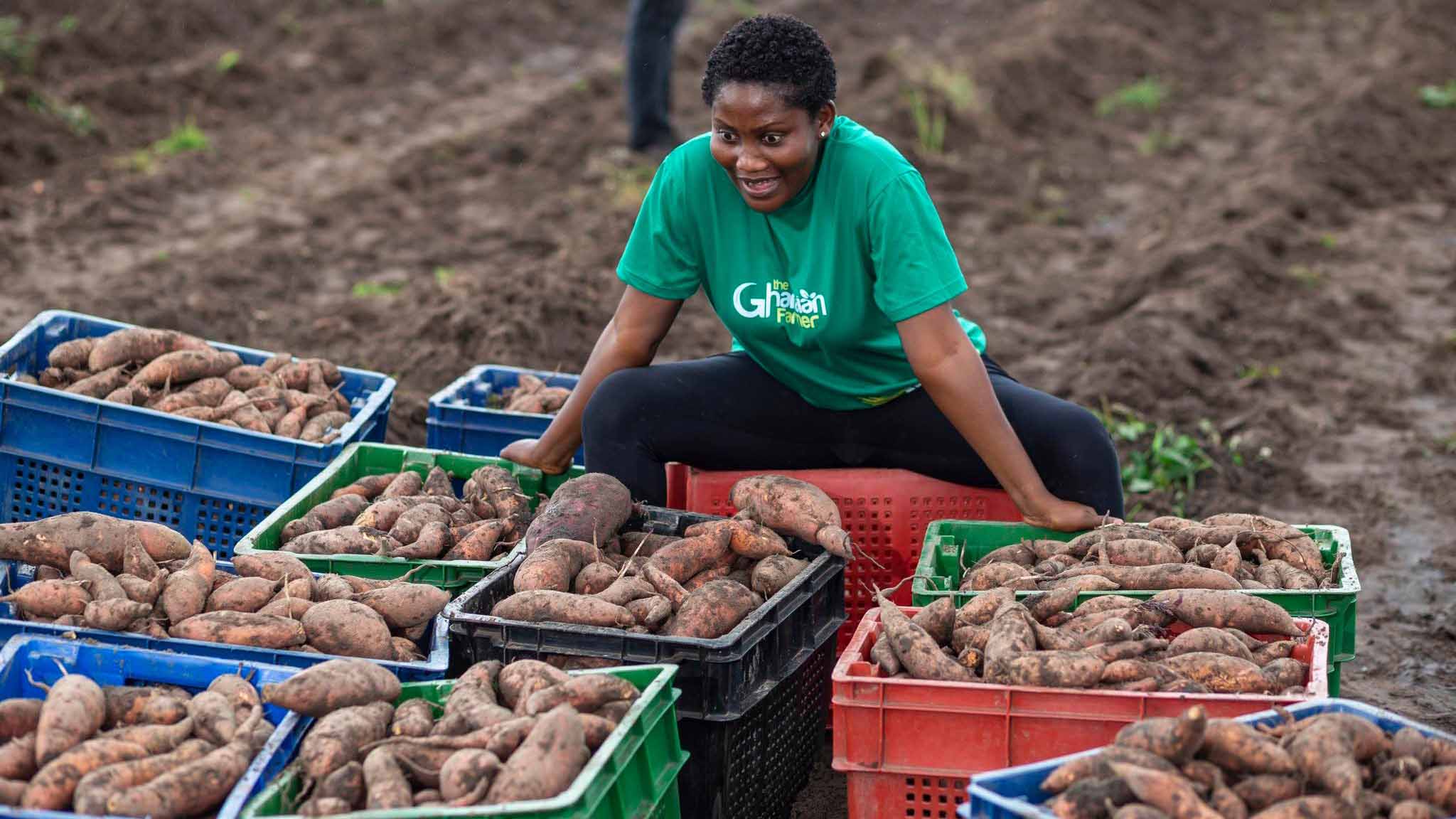
In seasons of good rainfall, sweet potato becomes not just a survival crop, but a high-yielding food and income source.
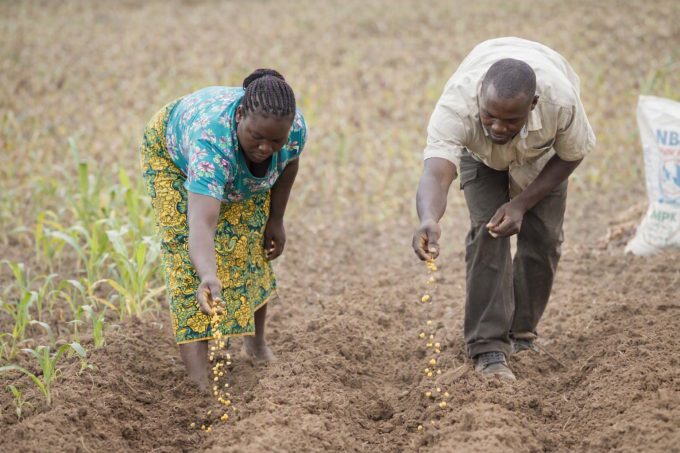
With proper land preparation and early planting, farmers can take full advantage of favourable rains by producing high volumes of roots and vines.
The crop’s rapid growth enables families to harvest within three to five months, providing timely food supply when other crops are still maturing.
Annual rainfall requirement: <750mm
- Well distributed rainfall is ideal
- Critical moisture period: 4–10 weeks after planting
- Supplementary irrigation is beneficial in dry areas or during prolonged dry spells.
- Temperature requirements
Optimal temperature: 21–30°C
Minimum temperature: 15°C
- Sensitive to frost and very cold conditions
- Growth slows below 15°C
- Planting methods and spacing
- Planting material
- Use vine cuttings (25–30cm long)
- Select healthy, disease-free vines
- Planting method
- Plant on ridges or mounds
- Bury two-thirds of the vine in the soil
- Plant at the onset of rains or when irrigation is available
Sweet potato varieties
Commonly grown and promoted varieties include:
- Ligwalagwala (local landrace)
- Kenya white
- Lamgititi etc.
- Improved / Orange-Fleshed Varieties (OFSP)
These are promoted for nutrition (high Vitamin A):
- Namanga
- Alisha
- Cecelia
Melinda
These varieties can be accessed through:
- Research stations
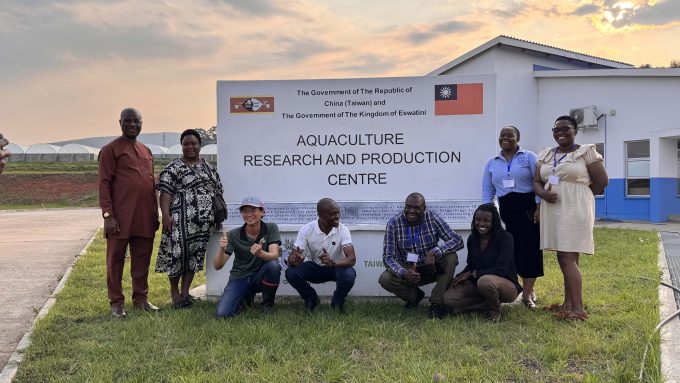
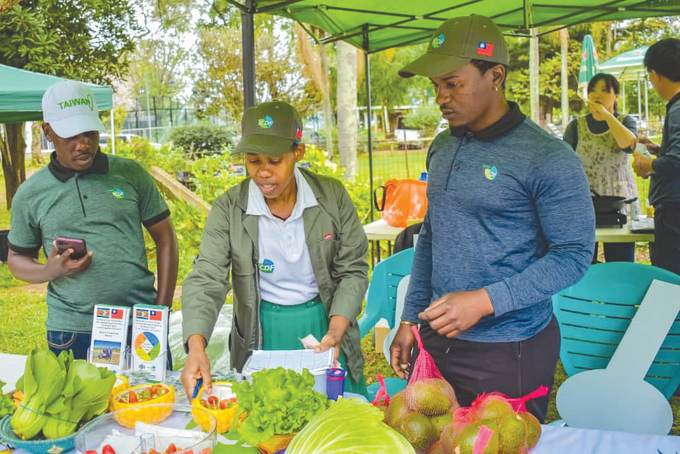
- Development partners such as Taiwan Technical Mission
- Other farmers keeping sweet potato vine
















Leave a comment