

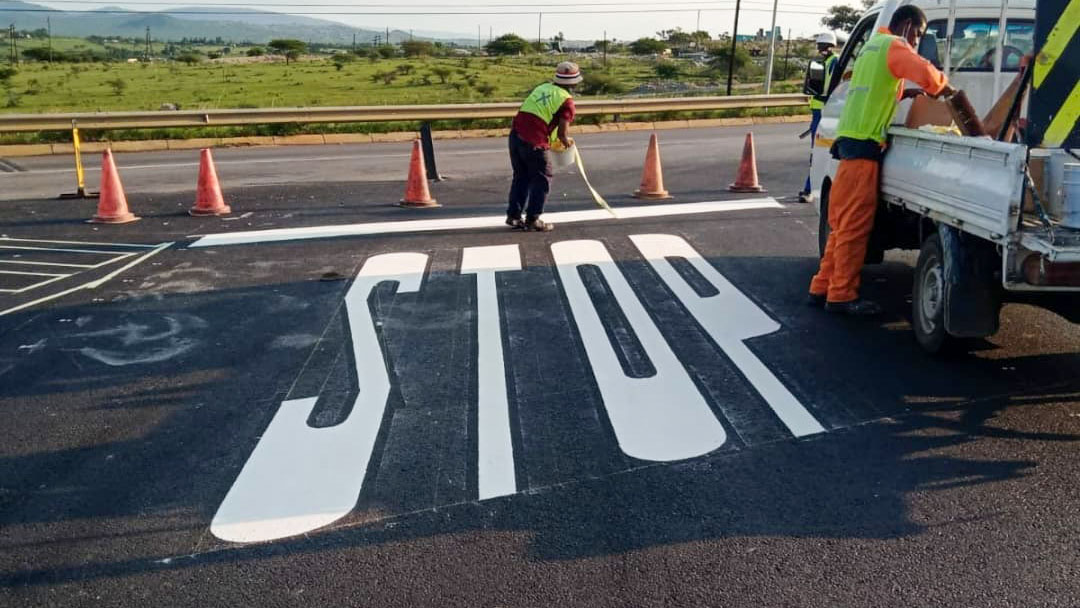
The Road Accident Action Group (RAAG) continues to advocate for safer roads through improved infrastructure, with particular emphasis on the critical role played by road markings and traffic signage. These elements are not merely paint on tar or metal posts along the roadside; they are essential communication tools that guide, warn and inform all road users.
Road markings and signage provide clear direction to drivers, pedestrians and cyclists, helping them make safe and timely decisions. Well-marked lanes, road edges, pedestrian crossings and intersections improve visibility, especially at night, during heavy rain, fog or other poor weather conditions. Without this guidance, even familiar roads can quickly become hazardous.
Clear and visible signage significantly reduces crashes and confusion. Warning signs alert drivers to upcoming curves, junctions, speed limits and potential hazards, allowing them to adjust their speed and behaviour in advance. This reduces sudden braking, dangerous overtaking and risky manoeuvres that often lead to collisions. RAAG also notes that effective road markings and signage support traffic law enforcement. When speed limits, stop lines, pedestrian crossings and right-of-way rules are clearly marked, compliance improves and enforcement becomes more effective. Drivers are more likely to obey the law when expectations are clearly communicated.
Protecting vulnerable road users remains a priority. Pedestrians, cyclists, children and persons with disabilities rely heavily on marked crossings, warning signs and traffic calming measures for their safety. Proper signage and visible markings create safer spaces for those most at risk on our roads.
Consistent and well-maintained road information also influences driver behaviour. Clear guidance encourages appropriate speeds, correct lane discipline and overall responsible driving. Over time, this leads to safer road culture and reduced accident rates.
Most importantly, RAAG stresses that well-maintained road infrastructure saves lives and reduces costs. Fewer crashes mean fewer injuries and fatalities and reduced pressure on health services, emergency responders and families affected by road trauma.
However, when road markings fade, signs are missing, damaged or obscured by overgrown vegetation, the risk of accidents increases significantly. RAAG calls for regular inspection, timely maintenance and the clearing of roadside overgrowth to ensure that all road safety features remain visible and effective.
Road safety is a shared responsibility between authorities and road users alike. Investing in safe roads is an investment in human life. Safe roads save lives.













Leave a comment